[I originally posted this in 2018 but have reposted it to fix the broken image links]
I visited the Solidarity Museum (officially called the European Solidarity Centre) in November 2016, but since I’m staying at a hotel with a rather pleasant view of the building, I thought I’d find my old photos about my visit. This is part of my long-term plan of trying to work back and post my older photos, but this project might well take me years (or decades).

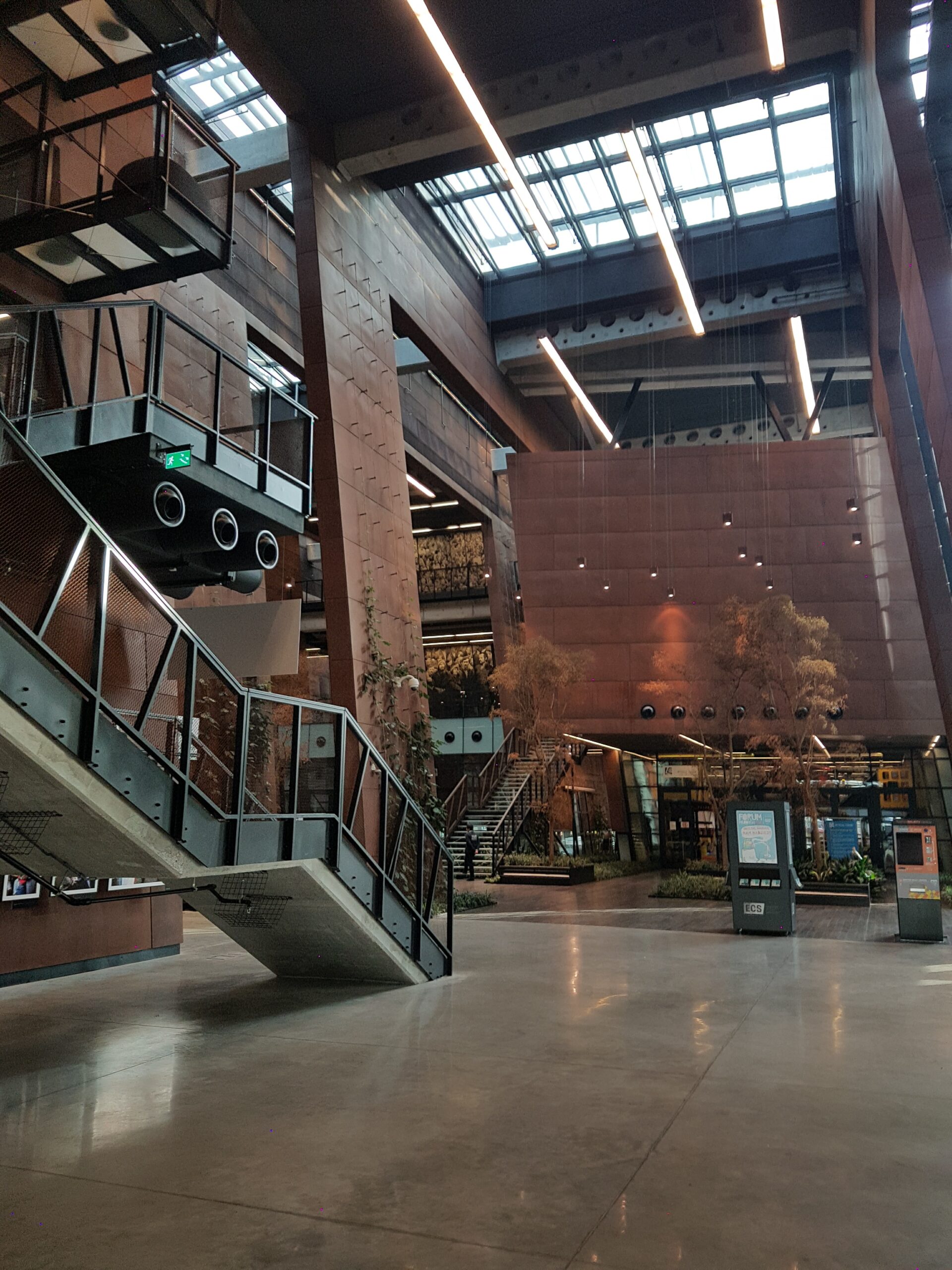
The building is deliberately industrial in its appearance, with the walls looking like the hull of ships. Since Solidarity was born in the dockyards of Gdansk, this is rather appropriate.


The industrial look continues inside, but there is a real feel of openness to the building.

I normally really dislike audio guides, and I try and turn them down at every opportunity. Unless they’re designed to add further information to what is provided on the displays, which this one was. It would be possible though to tour the museum without an audio guide, but this one does add to the experience.

The old clocking in system which was in use at the shipyards.

These are the wooden boards with the infamous 21 demands which the workers wanted in order to call off their strike. The demands weren’t unreasonable, although they were inevitably entirely unacceptable to the communist authorities at the time. The authorities didn’t want to cede power to the trade unions, which was more of a problem to them than the financial demands that the workers wanted.

A display of helmets from the dockers.

Solidarity and its leader, Lech Wałęsa, became international news and it was reported heavily across the world. With the cold war, this type of internal dissent from the workers posed a substantial threat to the communist Governments in Europe.

The communist authorities were entirely unable to deal with the increasing level of opposition which they were facing, so on 13 December 1981 the country came under martial law. Wojciech Jaruzelski, the General of the Polish army, took control of Poland using the excuse that if law and order wasn’t imposed then the Soviets would march into the country.

Alongside martial law came the inevitable crackdown on any dissent, and thousands were arrested and imprisoned. There were unspeakable acts of violence and intimidation against those involved with the Solidarity movements, and other political opponents of the regime.

With any military crackdown, there are nearly always brave individuals who take a stand. There was a resistance movement established which printed leaflets and tried to explain the aims of the trade union movement, and their calls for political freedoms.

Lech Wałęsa now became a symbol of freedom and hope, but he was arrested and imprisoned by the military authorities. There was then a rather ridiculous situation of Lech Wałęsa returning to work as an electrician in the Gdansk shipyards in the same year that he won the Nobel Peace Prize, so he became rather untouchable by the authorities.
The photo above is when Lech Wałęsa addressed the United States Congress in 1989 and he later became the President of Poland from 1990 until 1995. He was a controversial figure and his popularity fell, but his importance to Poland remains undiminished. The city’s airport was named after him in 2004 and he still gives speeches around the world.

This exhibit in the museum shows the empty shelves that faced many Poles throughout the 1980s, as the communist system started to fall apart. There were long queues at many shops and this systematic failure proved to be another nail in the coffin of communism in the country.
I felt that this museum was well curated and it took me over two hours to walk around it. It’s a sizeable museum and it’s easy to navigate around, with the audio guide adding to the experience, rather than diminishing it. It also doesn’t take a stance of unquestionably ignoring with the problems that Solidarity had, but it is a firm statement of the importance that the organisation had in the 1980s and beyond.