Tag: Risiera di San Sabba

  • Trieste – Risiera di San Sabba (Prison Cells)

    Trieste – Risiera di San Sabba (Prison Cells)

    20251124_140556

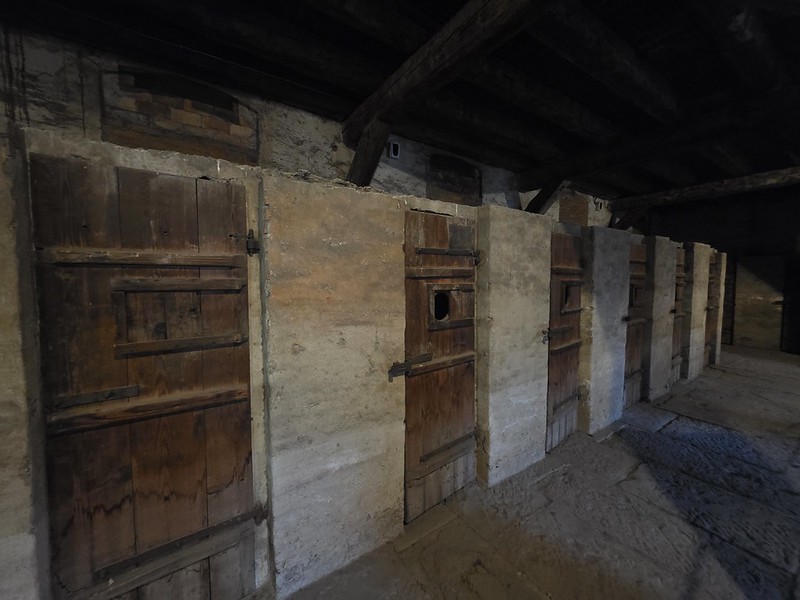
    These are the prison cells at Risiera di San Sabba and the building was a warehouse for the rice-husking business that operated here, so these were hastily constructed by the Nazis in around 1943.

    20251124_140609

    I think that it’s fair to say that they weren’t built for comfort or to cover the sanitary needs of the prisoners.

    20251124_140624

    That’s it, a wooden bed shoved inside and not giving a great deal of space for anything else. They also weren’t single cells, despite looking like that, they were each designed for up to six people.

    20251124_140637

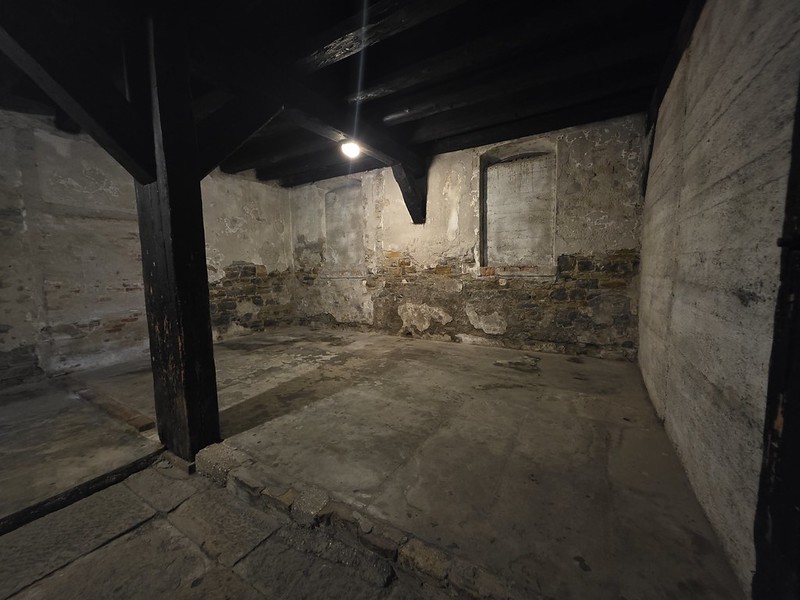
    The rest of the room and it now has something of a haunting feel to it. There are seventeen cells in this room and they were reserved for Slovenes, Croats, partisans, political prisoners and Jews, all of whom were expected to be killed or deported soon after arriving.

    When the site was turned into a museum in the 1960s, these cells were kept, although I’m not sure if they had been altered in the period between 1945 and 1965 when the building was used as a refugee camp. I’m not entirely sure what the authorities would have done with them during that time, it hardly seems like suitable accommodation for refugees.

  • Trieste – Risiera di San Sabba (Diary of Giordano Dudine)

    Trieste – Risiera di San Sabba (Diary of Giordano Dudine)

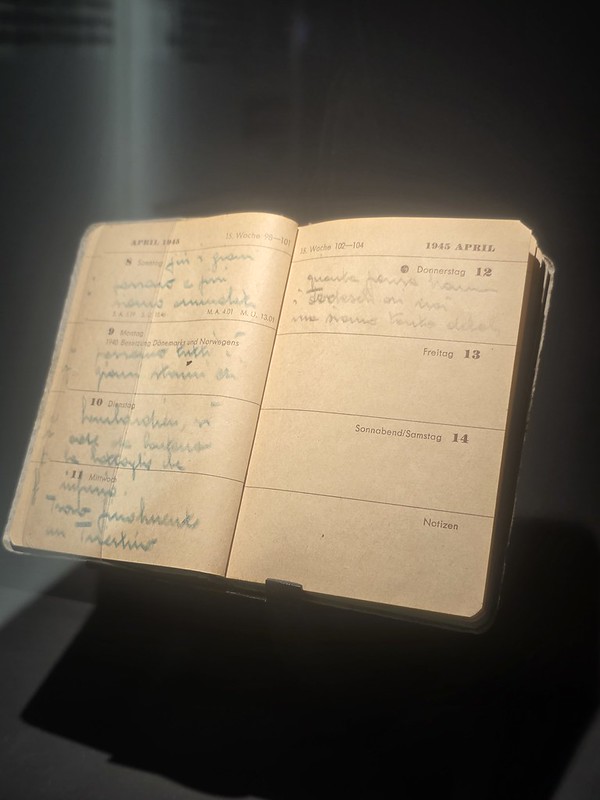
    Some of the cells at Risiera di San Sabba, but more on those in another post. One of the political prisoners who found himself here was Giordano Dudine and he had previously spent time at Buchenwald and Gross-Rosen.

    This exhibit is of Dudine’s diary and the camp was taken by the Allies a couple of weeks after this, although the Germans tried to destroy the crematorium and any evidence of what had taken place here. The diary was donated by his son, also Giordano Dudine, in 2009. Unfortunately, I can’t find any online content from this diary, so it’s not entirely clear what he was writing about and that would have perhaps given visitors a greater insight into the period.

  • Trieste – Risiera di San Sabba (Ashes from Auschwitz)

    Trieste – Risiera di San Sabba (Ashes from Auschwitz)

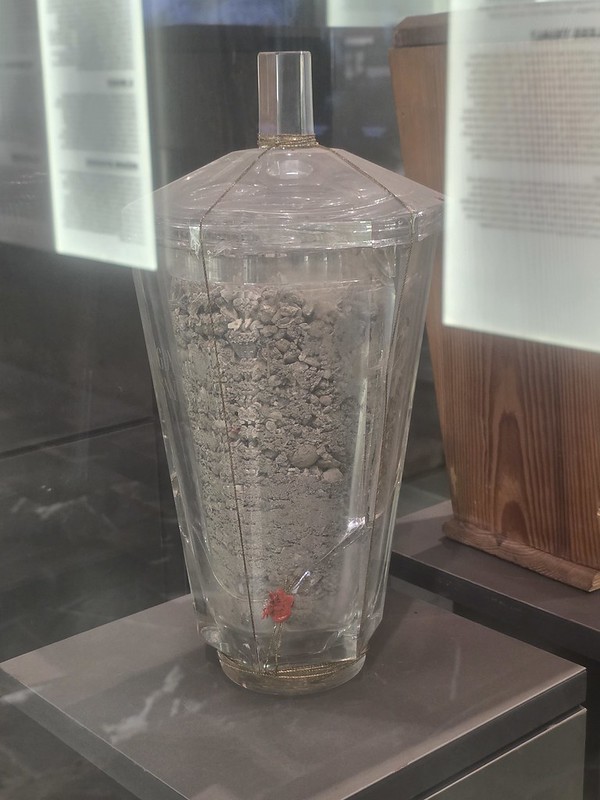
    There are numerous powerful exhibits at Risiera di San Sabba in Italy, where Jews and political prisoners, amongst others, found themselves.

    These are ashes from Auschwitz concentration camp, placed here in 2005 by the National Association of Former Nazi Camp Deportees organisation (ANED). I don’t know the back story to this of when they were collected, but I imagine that this was shortly after the end of the Second World War. Their symbolic meaning is what is powerful though, there were around 6,000 Jews in Trieste in 1938, with around 1,500 left after the Second World War whilst today, there are around 600 members of the Jewish community in the city.

  • Trieste – Risiera di San Sabba (Evil of Odilo Globocnik)

    Trieste – Risiera di San Sabba (Evil of Odilo Globocnik)

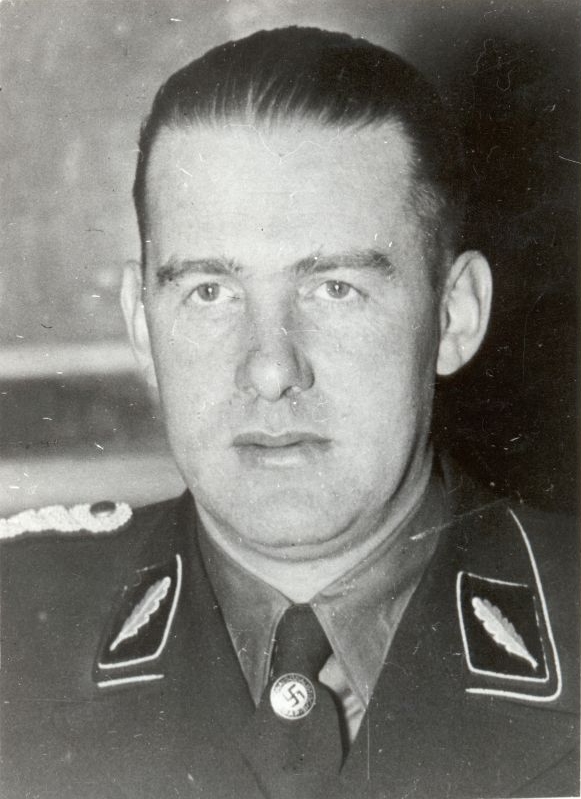
    There will now follow a series of posts about Risiera di San Sabba, the only concentration camp in Italy with a crematorium and a location that I’ve visited before. Firstly, there’s one individual whose name I’ve come across a few times over recent years and I hadn’t realised that he was born in Trieste.

    Odilo Globocnik has a reputation for being one of the most evil men of the Nazi regime, which is hardly known for its tolerance and understanding anyway. You could make a claim that some individuals almost got caught up in the Nazi regime as part of their military career, maybe Karl Dönitz who was ultimately found not guilty of crimes against humanity.

    But there are others who saw the Second World War as an opportunity to murder people and destroy settlements. Reinhard Heydrich, a pretty pathetic figure who had been dismissed from military service due to his behaviour, but he happened on the right career move for him by attaching himself to the Nazis at just the appropriate moment.

    Then there is Odilo Globocnik, who helped to create and then ran Operation Reinhard, the plan named after Heydrich to murder all Polish Jews. He was not an accidental bureaucrat reluctantly following orders but an eager organiser who pushed for ever more brutal “efficiency” as he might call it, massively enriching himself through theft while treating mass killing as administrative routine. His actions weren’t the product of confusion or wartime chaos but of deliberate, committed cruelty, carried out with zeal and without remorse, leaving a legacy of human suffering on an appalling scale. He deliberately sought out people to murder and took huge joy in what he did.

    Odilo Globocnik was given the huge job of being appointed as the Gauleiter of Vienna in 1938, a role he was incapable of doing. He managed to cause all manner of political turbulence of the sort even the Nazis didn’t want and he was fired after it was realised that he was a conman who was stealing huge sums of money. Despite this, Himmler allowed him to transfer to Lublin, where he restarted his career with some zeal.

    Globocnik was responsible from that point for the Lublin Ghetto and he then liquidated the Warsaw and Białystok ghettoes. He was also involved with the creation of the Majdanek, Treblinka, Sobibór and Bełżec extermination camps where millions of people died. He got involved with the killings as often as he could, he was a brutal figure.

    After being sent to Trieste, he wrote to Himmler on 4 November 1943 to tell him that Operation Reinhard had been concluded and the concentration camps could be dissolved. His work then focused on Trieste and the establishment of Risiera di San Sabba, ensuring that any Jews would be liquidated but also ensuring that any political dissidents, as he might call them, would be arrested. Mussolini by this time had been overthrown, so there was a power vacuum where the Germans wanted control to prevent the partisans from seizing it. However, when the Allied troops started to retake territory, he fled into the mountains.

    The British found Globocnik on 31 May 1945, but he bit down onto a cyanide capsule and killed himself to avoid trial. It might be a myth, but it’s said that the local priest refused to bury him in his church, he was too evil for consecrated ground, so he was shoved into a hole near the church.

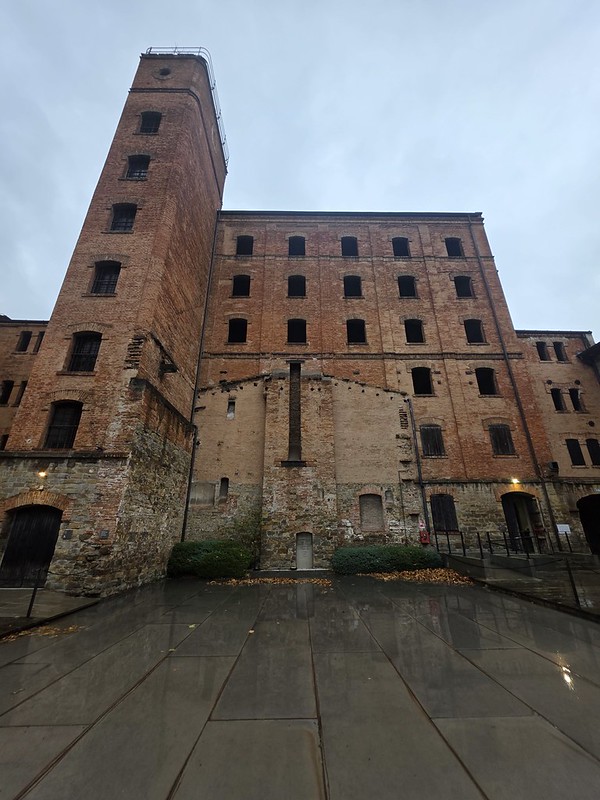
    That is the background for Risiera di San Sabba, a former factory preserved now as a reminder of the war crimes that took place here.