Tag: Reepham

  • Reepham – Three Churches in One Churchyard (Grave to Unknown Local Friends)

    Reepham – Three Churches in One Churchyard (Grave to Unknown Local Friends)

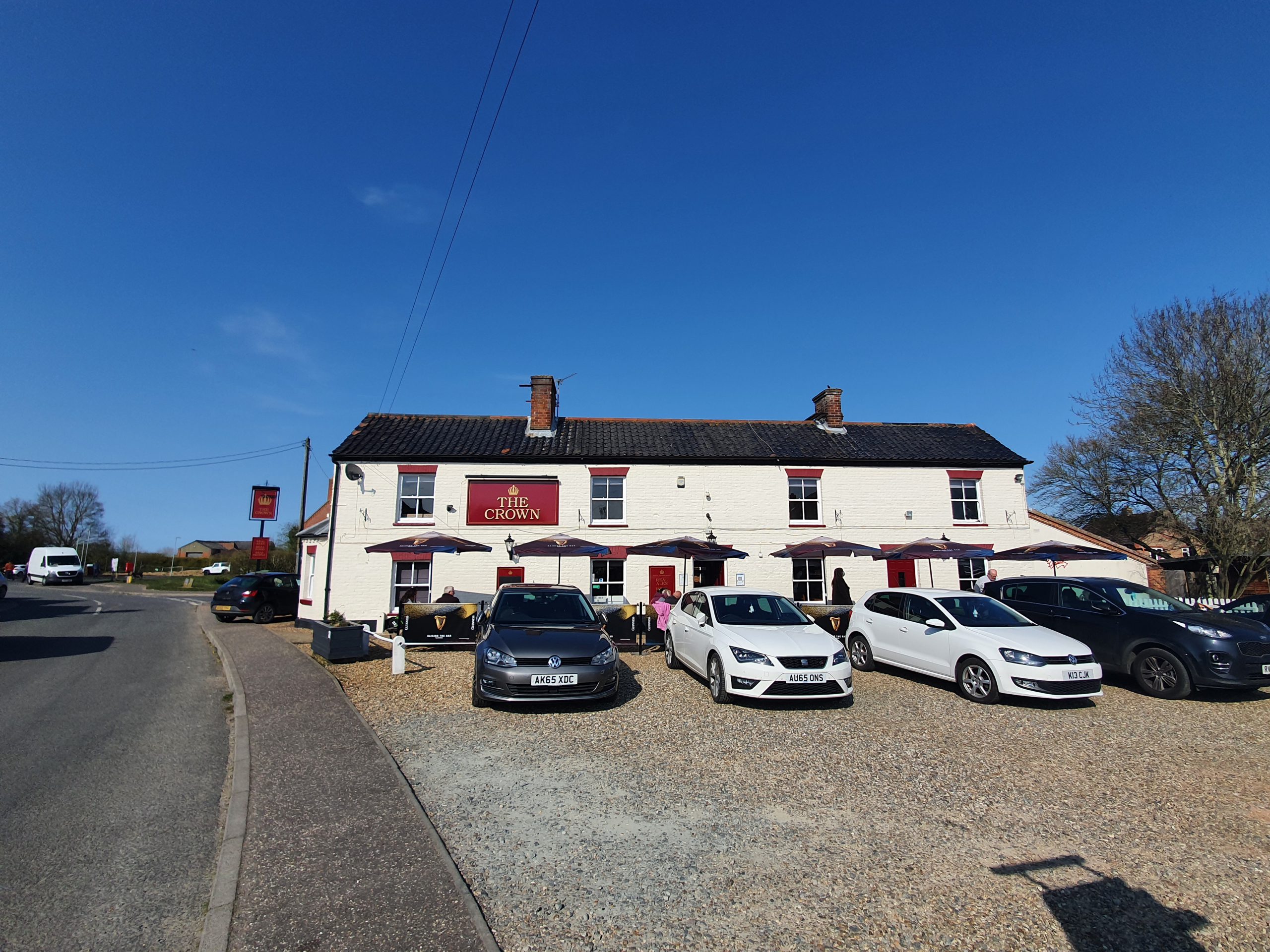
    This really is quite lovely, a beautiful gravestone located in a prominent part of the churchyard shared by the three churches in Reepham.

    The “unknown local friends” is a poignant phrase and it notes the site where 63 bodies were found when urgent storm drain repair work took place in 2007. The gravestone, which was funded by local donations, was designed by local stone carver Teucer Wilson and it reads:

    ‘Here lie unknown local friends from the 14th century, laid to rest by the people of Reepham in June 2010. Their souls are known by God.”

    I understand that the bodies were found near to where I’ve placed the cursor on the above map. The burials were in the St. Mary’s Church section of the churchyard and they were placed there in the fourteenth century. Analysis was done on the skeletons and it was discovered that many of the individuals had suffered from osteoarthritis issues.

  • Reepham – Three Churches in One Churchyard

    Reepham – Three Churches in One Churchyard

    This is the delightful churchyard in Reepham, home of St. Michael’s church of Whitwell parish, St. Mary’s church of Reepham parish and All Saints of Hackford parish. The first two are still standing and in the first photo there’s St. Michael’s on the left and St. Mary’s on the right, and in the second photo, there’s the remains of All Saints on the right and St. Michael’s is in the centre of the photo.

    It’s not entirely clear why three parish churches were all built in the same churchyard, but this all likely revolves around the very different way in which these buildings were once used. An information panel at the church notes that pews were introduced in the Tudor period as there was a fashion for longer services. I’m not entirely sure about that, I’d go for that it was less fashion and more a requirement of the new regime following the Restoration to ensure people actually went to church.

    But all of this is why these churches could be built next to each other, something that actually makes sense, as it’s a prominent location and land was available to build them on. There was probably some form of religious element to the location as well, perhaps some miracle had taken place on the site and it had a reputation for being a holy site. The churches are all on the very edge of their parishes, but they wouldn’t have necessarily competed as they would have been used more for private prayer, for meeting up or just for wealthier individuals to buy indulgences or have a private family chapel. Individuals weren’t required to go to the church, although there was more of a expectation to do something at Easter, and they would have been more of a community centre.

    All Saints was likely the first church to be built on this site as it’s the only one mentioned in the Domesday Book, probably in the late Saxon period, but it was destroyed by fire in 1543. The village of Hackford was already abandoned by then, so there was no great necessity for that parish to have a church given the small size of the congregation. The church stood in ruins until 1796, when it was decided to demolish nearly all that was remaining. The other two churches were likely constructed in the early Norman period and at some stage the two were touching for a distance of around of one metre. It wasn’t until 1935 when a door was finally knocked through the walls to connect the two churches together, which was also at the same time when the three parishes were combined. The Reverend Luscombe, who was taking over the combined parish, said in 1935 that:

    “Feuds between these various churches made it rather difficult for people to live together in the peace of Christian brotherhood we would like. They are going to be united. Think of me in the coming winter trying to run two churches and trying to settle a few feuds”.

    He wasn’t lying, there were huge arguments in May 1905 when one parish wanted to erect an organ in their church, but Reepham Church was furious that it might disturb their services. It was pointed out that Reepham Church had installed an organ and they didn’t seem to have thought about the impact on their neighbour, and this was one of a series of squabbles that the churches had over the decades.

    There’s a lot of church on this site, with the two remaining structures being quite large and it’s not entirely clear what they did with all that space. St. Mary’s was though a pilgrimage church in the medieval period, which would have brought in some considerable wealth to the entire town, but the three churches would have remained fiercely independent of each other. Back to the Reverend Luscombe, who said “feuds have occurred since Cromwellian days, almost to the present time. A troop of Cromwell’s cavalry came to be billeted at Hackford, but on their map, Hackford was Reepham, so the troopers went to Reepham church. That did not soothe injured feelings”.

    There is a long-standing rumour, that is mentioned in the Victorian period (although denied then as well) that the churches were built by three arguing sisters who couldn’t agree on anything. Unfortunately, the reality is rather more that the Lord of the Manors would have made those decisions for reasons that likely suited themselves. It could have been that the site was convenient for accessing Reepham, that the land was readily and cheaply available or that it was on holy ground, no-one is quite sure. I’m amused though that the Bishop of Norwich had to intervene in 1240 to stop the churchyard from being used as the town’s marketplace.

  • Reepham – The Crown Pub

    Reepham – The Crown Pub

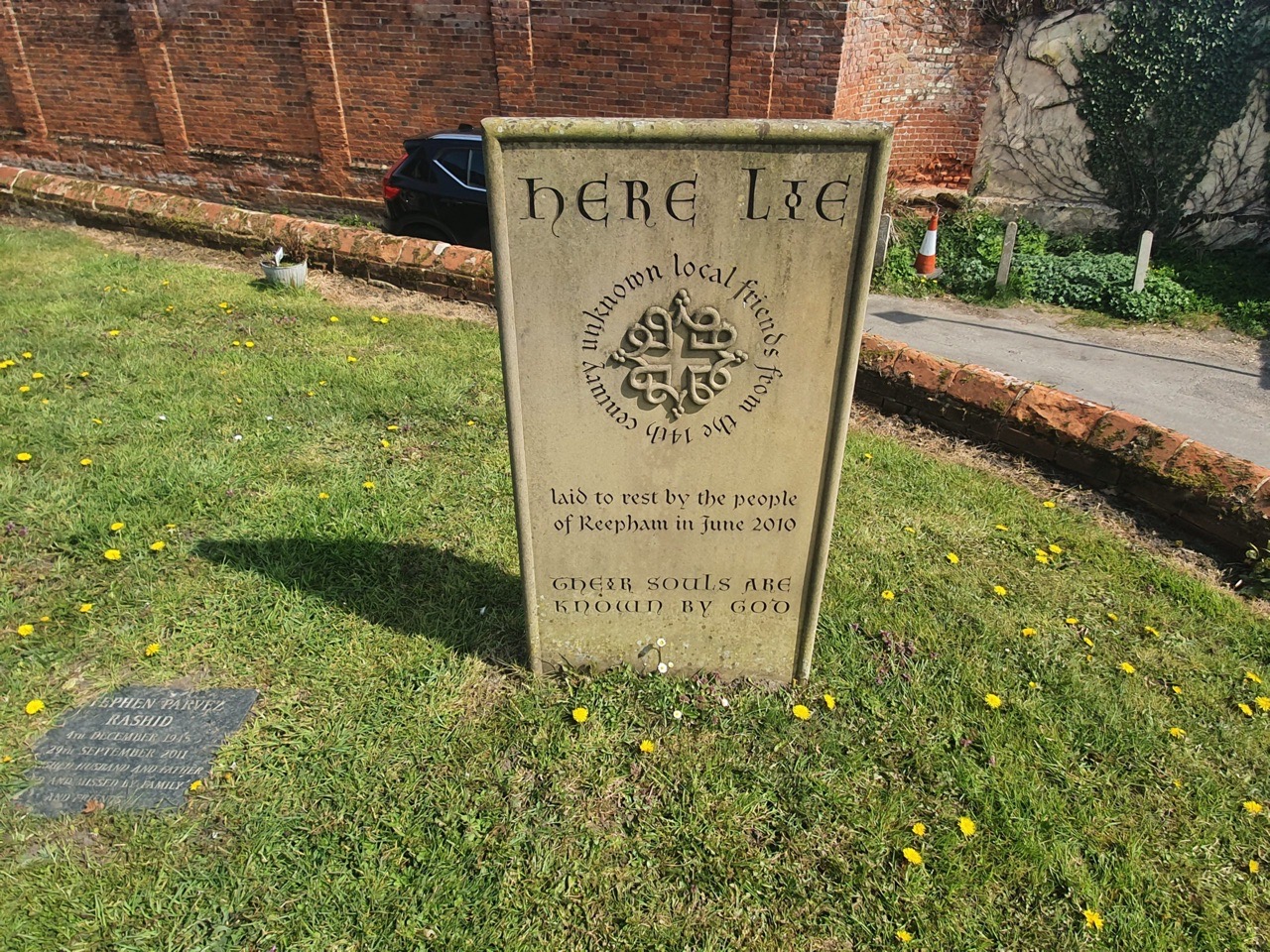
    This was a bit of a random visit, it was a pub that was open and had a beer garden, so we went for it. I normally have more exacting requirements for a pub, but we were just pleased to find somewhere that we could visit. It’s the Crown in Reepham and the owners saved it from being turned into a residential property a few years ago, and congratulations to the council for refusing that application. The plans are on the council’s web-site and it would have a been a huge loss for the community for the owners to have gotten away with turning a viable pub into a residential property.

    The beer garden was open and the pub had taken what I’m becoming sure is the right decision and that’s not to take reservations. Pubs offering those seem to have a lot of dead table time waiting for their customers, even assuming that they turned up. Anyway, we didn’t have a wait here. The pub has also at some stage turned two store rooms into clean external toilets, which makes this an ideal venue given the current lockdown situation.

    Nicely done, a list of the real ales is chalked up on the board outside. As I’m a bit inept, I missed this and the staff member had to tell me what the pub had, but it’s clearly visible for customers paying attention. The beer selection was fine, nothing exceptional maybe, but there was a choice and an effort to buy locally.

    The service was attentive throughout, it was timely and we were never left waiting. The servers were conversational, engaging and welcoming, so this felt a relaxed and comfortable environment. This pub feels like a venue for the local community and I know I use similar terminology to politely say that the pub looks like its locals are on the edge of starting a riot by the pool table, but here I mean that it is a location designed to be used by pub teams, diners, drinkers and indeed anyone. It had a laid-back atmosphere and I suspect that if someone was new to an area, they’d be able to find friends in a pub like this.

    The beer was well-kept, at the appropriate temperature and tasted crisp. All good. The glasses were plastic, hence the branding, with the pub looking to use disposable items for the moment to keep things clean and safe.

    As everything else was going well, we ordered food. Richard went for a lasagne and I went for fish and chips as I haven’t had them in nearly 48 hours. Again, all absolutely fine, the portion size is larger than in looks in the box and it was all cooked well. The batter had a pleasant taste, the chips were firm on the exterior and fluffy inside and the mushy peas had some texture to them. Individual sauce sachets were available and Covid-19 compliance was all excellent. The pub accepts cards, and I think encourages them, and we received a check back during the meal.

    This little series of pictures tells its own story. The poor dog kept getting called back by its owners and by the time she had actually reached our table the food had all gone.

    All told, I think this is a brilliant pub, it’s just got that vibe I like from a venue that serves its community. It’s rather delightful that this pub stayed opened a few years ago and wasn’t lost, and it’s the sort of pub I’d happily visit again. Although, when more normal times return, I’d say that a darker real ale choice such as a stout, mild or the like would be really lovely.