
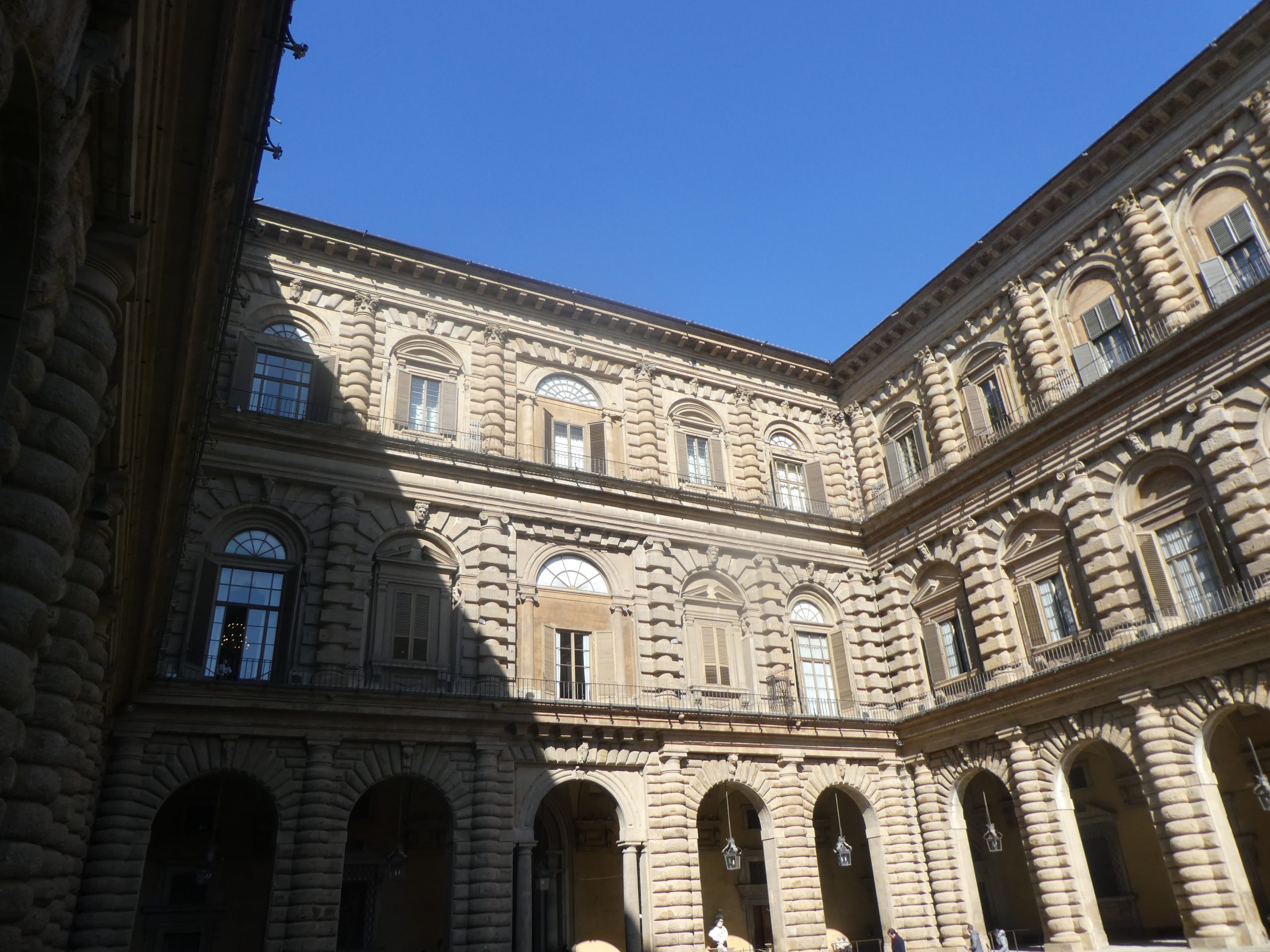
Tag: Palazzo Pitti

  • Florence – Palazzo Pitti (Jacob and Rachel at the Well by Lorenzo Lippi)

    Florence – Palazzo Pitti (Jacob and Rachel at the Well by Lorenzo Lippi)

    This painting is by Lorenzo Lippi (1606-1665) and shows Jacob and Rachel at the well, the parents of Joseph and Benjamin, two of the representatives in the Twelve Tribes of Israel. It was painted during the period between 1640 and 1645 and the artwork was acquired by the Italian Government in 1910 from the Galli-Tassi family in Florence.

    But, onto the story of Jacob and Rachel, which is told in Genesis and is just a bit overly fluffy for my liking, something that Barbara Cartland might have written in terms of the storyline. The upshot is that in the ancient city of Haran, there was a woman called Rachel and numerous sheep, which Jacob came to meet. The sheep were thirsty, but there was a stone across the well which required several men to move. But, Jacob wanted Rachel’s sheep to have water immediately, so he impressed her by using his great energy to move the stone on his own and then they became a couple. That’s the short version of the story anyway, hence why there are some slightly strange looking sheep in the painting.

  • Florence – Palazzo Pitti (Oliver Cromwell by Peter Lely)

    Florence – Palazzo Pitti (Oliver Cromwell by Peter Lely)

    This isn’t the greatest imagery of a painting that I’ve seen, but unfortunately, some of the artworks were quite hard to take clear photos of due to how they were presented within the room. So, that’s my excuse here. Anyway, this is one of many Peter Lely (1618-1680) works and, as with this one, it was painted in his studio rather than necessarily by the artist himself. This is also why there are several versions of this artwork in galleries around the world, as well as at the wonderful Cromwell Museum in Huntingdon.

    The gallery thinks that this is the portrait purchased by Amerigo Salvetti, a diplomat with strong familial links to Italian nobles, and sent to the Grand Duke of Tuscany in 1654. Lely did well in ensuring that he was able to switch from painting members of the Monarchy to members of the Commonwealth, but Oliver Cromwell wanted no flattering, saying to Lely:

    “Mr Lely, I desire that you would use all your skill to paint my picture truly like me, and not flatter me at all; but remark all these roughnesses, pimples, warts and everything; otherwise I will never pay a farthing for it”.

  • Florence – Palazzo Pitti (Grand Ducal Kitchen)

    Florence – Palazzo Pitti (Grand Ducal Kitchen)

    The Grand Ducal Kitchen at the Palazzo Pitti can only be visited as part of a private guided tour, which are offered free of charge to those who have paid to access the palace complex and they just require visitors to put their name down. I think it’s fair to say that there wasn’t a big rush for spaces on the English speaking tour, so Richard and I were the only two people initially, with someone else who didn’t really speak English then adding their name down just before we got started.

    So, the three of us set off with the very enthusiastic guide and it started with a quick tour of the King’s Apartments, which are en route to the kitchen and are also closed off to visitors not on this tour.

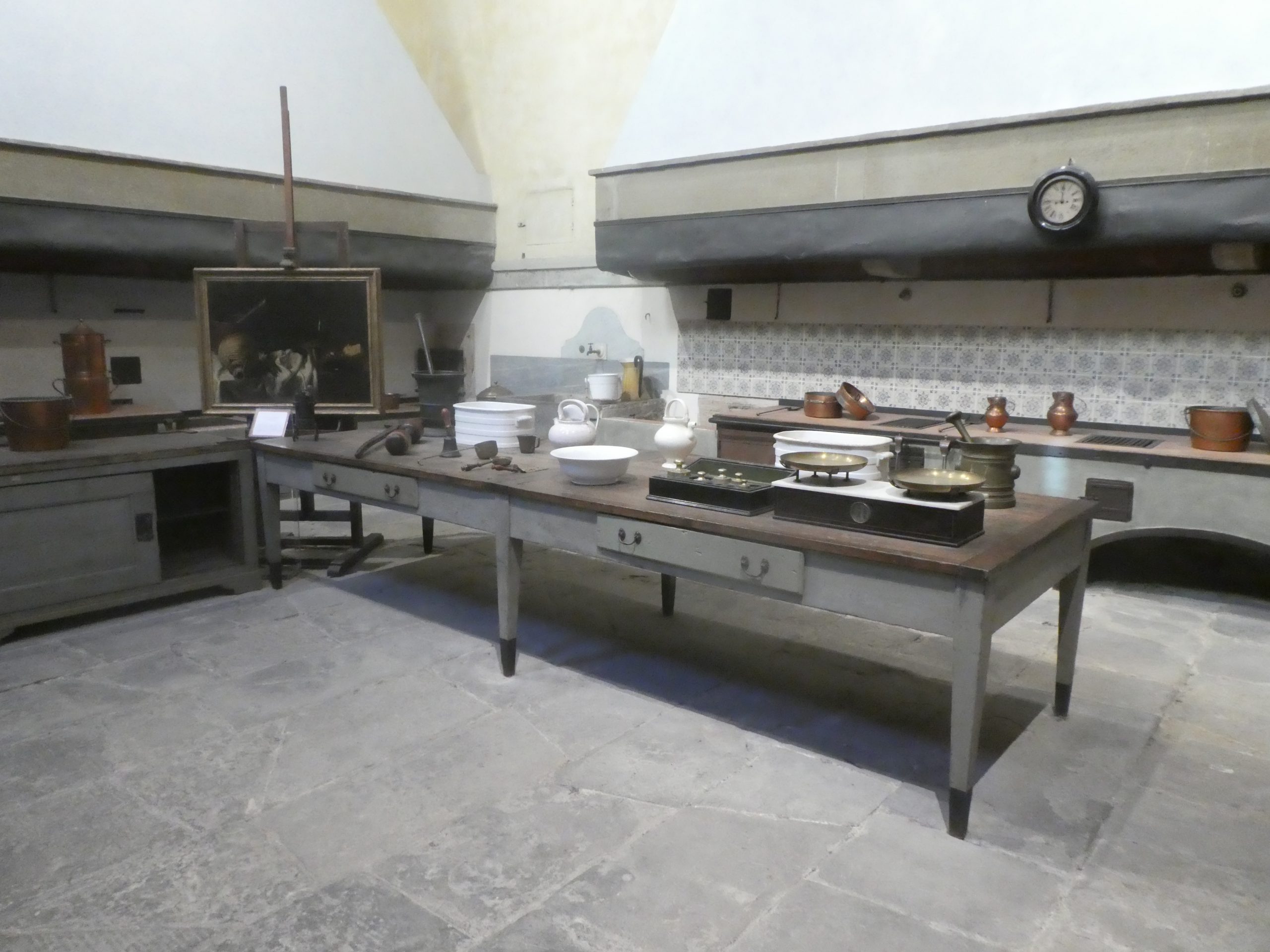
    The kitchen was large and spacious, but still dominated by this enormous chimney which was installed in around 1599 as part of the project led by Bernardo Buontalenti.

    The view from the bottom of the chimney and looking up.

    Some views of the kitchen as it now looks, which reflects how it might have appeared in the nineteenth century. Meals were cooked here for the main palace and there are corridors that connected this grand kitchen, located to the side of the house, to the main rooms. The kitchen was restored relatively recently, as for the best part of the last century this area had been used for storage and had been somewhat forgotten about.