Tag: National Museum of Art

  • Bucharest – National Museum of Art (Smig Church Altarpiece)

    Bucharest – National Museum of Art (Smig Church Altarpiece)

    [I originally posted this in February 2020 when I first visited the Museum of Art, but I’m updating this slightly as it’s interesting to me that Bev also pointed this particular artwork to me. I’ve also discovered that the altar at this church, which is still in Șmig, was updated in 1908 and that’s how the older one has ended up at the museum. As another aside, I’ve learned that Calvary that I mention below is derived from the Latin meaning skull. November 2023]

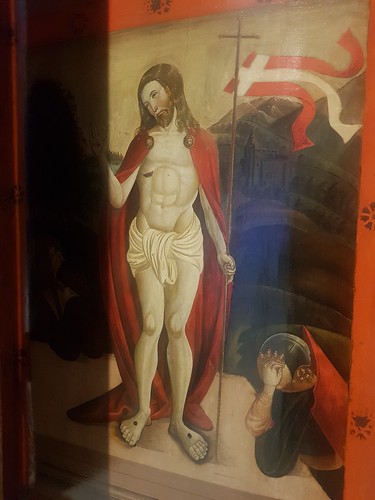
    This altarpiece dates to around 1510 and is from Şmig Church. The main central image is of the Virgin and Child and on the bottom left is St. George and the Dragon. On the right of the main sculpture is Saint Margaret and King Stephen beneath her.

    20200215_111852

    The resurrection.

    20200215_111924

    The road to Calvary, which is where Jesus was crucified.
  • Bucharest – National Museum of Art (The Jew With the Goose by Nicolae Grigorescu)

    Bucharest – National Museum of Art (The Jew With the Goose by Nicolae Grigorescu)

    This painting is by Nicolae Grigorescu (1838-1907) and was painted in 1880. Grigorescu is apparently one of the founders of modern Romanian painting and this artwork shows a Jew (the name of the painting) holding a petition and a goose. The original title of this artwork is “a Moldavian Jew going to the Romanian Parliament to petition for his naturalisation” which was something that Jews could do from 1879, although it wasn’t an automatic right. I’m not sure whether the goose was meant as a bribe, although I’m not sure why anyone would traipse a live goose to Parliament without some good cause.

  • Bucharest – National Museum of Art (Catholic Church in Câmpulung)

    Bucharest – National Museum of Art (Catholic Church in Câmpulung)

    This artwork of a Catholic Church in Câmpulung was painted by Theodor Aman in 1875. The Romanian artist lived from 1831 until 1891, when he died in Bucharest and the house he lived in is now a museum which commemorates him and his work. I did try and find the same location on Google Streetview and the only Catholic Church looks different and the streetline has changed too much. I like the painting though, although I suspect that the town was more prosperous then than it is now if the characters and their formal wear are anything to go by.

  • Bucharest – National Museum of Art (The Revolutionary Romania by CD Rosenthal)

    Bucharest – National Museum of Art (The Revolutionary Romania by CD Rosenthal)

    This artwork, entitled The Revolutionary Romania, is by Constantin Daniel Rosenthal and was painted in 1850. Rosenthal lived from 1820 and 1851 and had an involvement in the 1848 Revolution, which later cost him his life when he was tortured to death by the French for refusing to give information about his contacts. There’s something tragic about looking at an artwork which was painted by someone who was so relatively young, but yet was about to be confronted with his death.

    Rosenthal painted numerous artworks on the theme of Romanian nationalism and he seems to have been quite active in the later part of his life. This painting was part of the Pinacoteca București collection which had been established by King Carol II, with many of the artworks being taken over by the National Gallery. It shows Marie Rosetti who was a friend of the artist and the wife of the author Constantin Alexandru Rosetti. She was dressed in traditional Romanian clothing and she has a dagger in one hand and a Romanian flag in the other hand.

  • Bucharest – National Museum of Art (Icon of Saint Nicholas by Mihail)

    Bucharest – National Museum of Art (Icon of Saint Nicholas by Mihail)

    I thought that this looked modern when I first saw it, given that it has something of a cartoony feel to it. Tempera on wood, it was painted by Mihail in 1754 and is a representation of St. Nicholas. I didn’t know this before looking it up, but St. Nicholas is often painted with a codex in his hand, as it is here, and has representations of Jesus and the Virgin Mary behind him, which is what I assume is also happening with this artwork. He’s also portrayed as an Orthodox bishop, as he is here, and often with three gold balls, which isn’t shown here. He was known for giving gifts to the poor and from that he evolved into being effectively better known as Father Christmas.

  • Bucharest – National Museum of Art (Grigorie Brâncoveanu)

    Bucharest – National Museum of Art (Grigorie Brâncoveanu)

    I liked this painting, there seems to be quite some depth to it, which is of Grigorie Brâncoveanu (1764 – 1832), who was the Great Ban (or regional leader) of Wallachia. The family had been important during the seventeenth and eighteenth centuries, but it came to an end with Grigorie.

    It’s not known who painted the artwork, nor its date, other than it was from the first half of the nineteenth century. History could have easily be just slightly different and Wallachia could be its own country, rather than subsumed into Romania. It was only the constant threat of Russia which led the leaders of Wallachia into wanting to unite with neighbouring countries.

  • Bucharest – National Museum of Art (Beheading of St. John the Baptist)

    Bucharest – National Museum of Art (Beheading of St. John the Baptist)

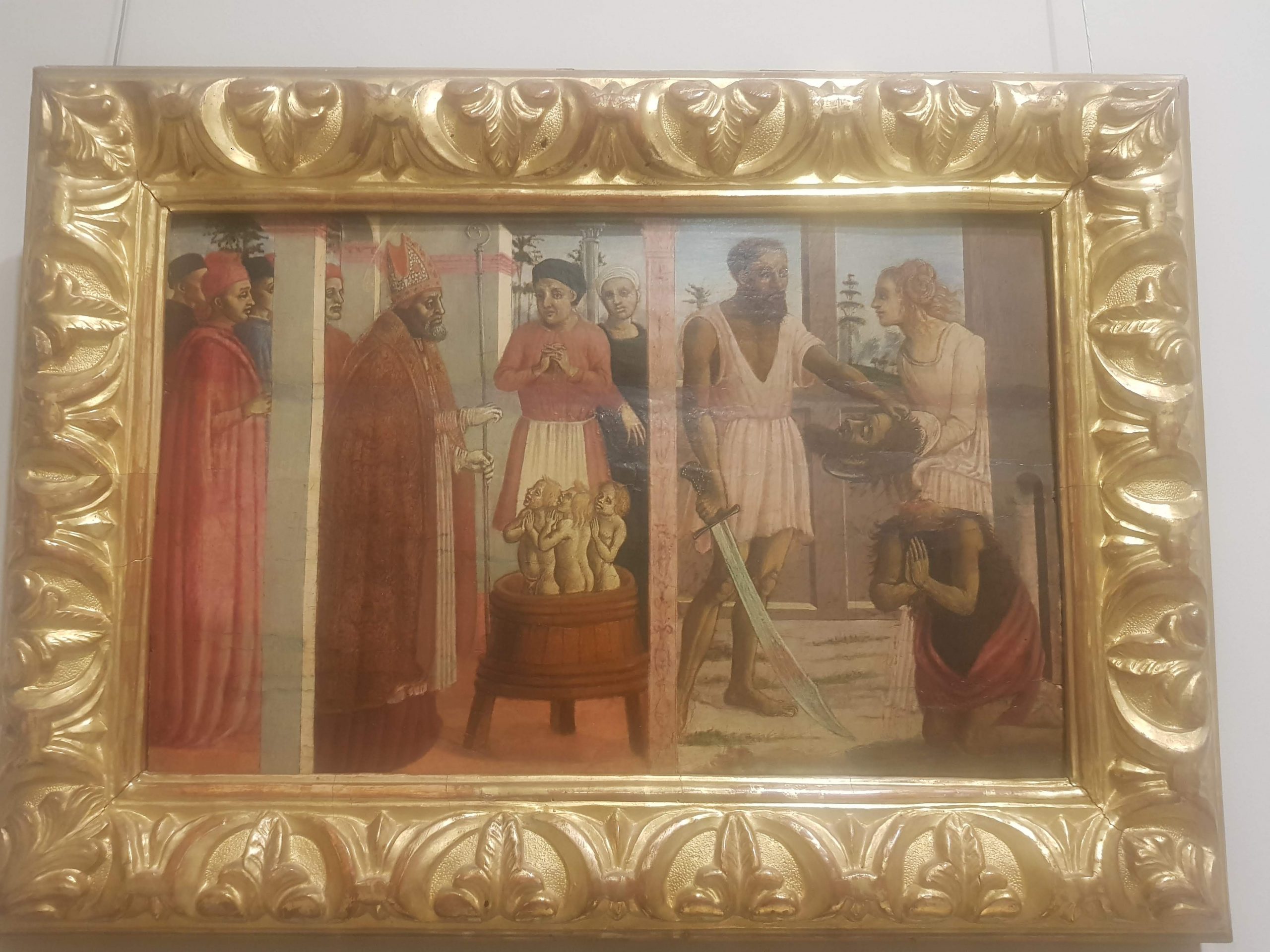
    This cheery little number was painted in the fifteenth century in the Tuscan area of Italy, later becoming part of the collection owned by King Carol I of Romania. I assume that the viewer of the artwork is meant to appreciate the sacrifice made by St. John the Baptist when he was killed by Herod Antipas, but it’s all a bit unpleasant for my liking.

    Caravaggio painted a well known artwork on the same subject, which is in St. John’s Cathedral in Valletta, Malta, but at least that one is a little less dramatic in terms of the head being cut off. Unfortunately, as with many other artworks in this gallery, there’s nearly no background information to the painting.

  • Bucharest – National Museum of Art (Hall in the Hradcany Palace by Aegidius Sadeler the Younger)

    Bucharest – National Museum of Art (Hall in the Hradcany Palace by Aegidius Sadeler the Younger)

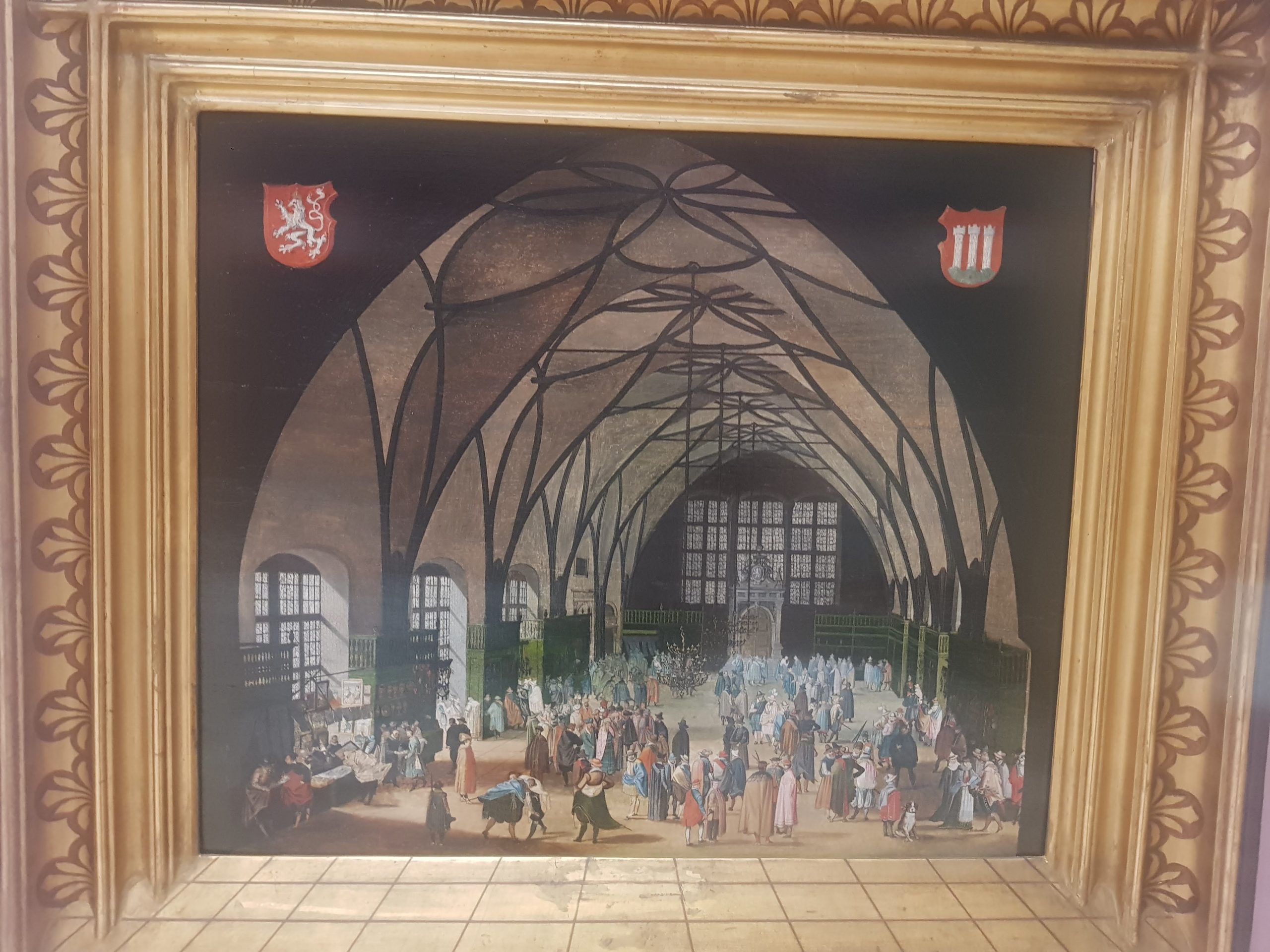
    A rather lovely painting of the interior of the Hradčany Palace, or Prague Castle. It was painted by Aegidius Sadeler the Younger, who lived between 1570 and 1629, when he died in Prague. This is another mildly frustrating effort by the National Museum of Art, with no background offered to the artwork at all, other than it was part of the collection acquired by King Carol I of Romania. Beyond that there’s no provenance, no date of painting or anything to tell more of the artwork’s story.

    My photo of this artwork is pretty poor, but there’s a lot going on in the painting, it makes the castle seem like quite the hive of activity in the early seventeenth century.

  • Bucharest – National Museum of Art (Hercules and the Nemean Lion by Pieter Paul Rubens)

    Bucharest – National Museum of Art (Hercules and the Nemean Lion by Pieter Paul Rubens)

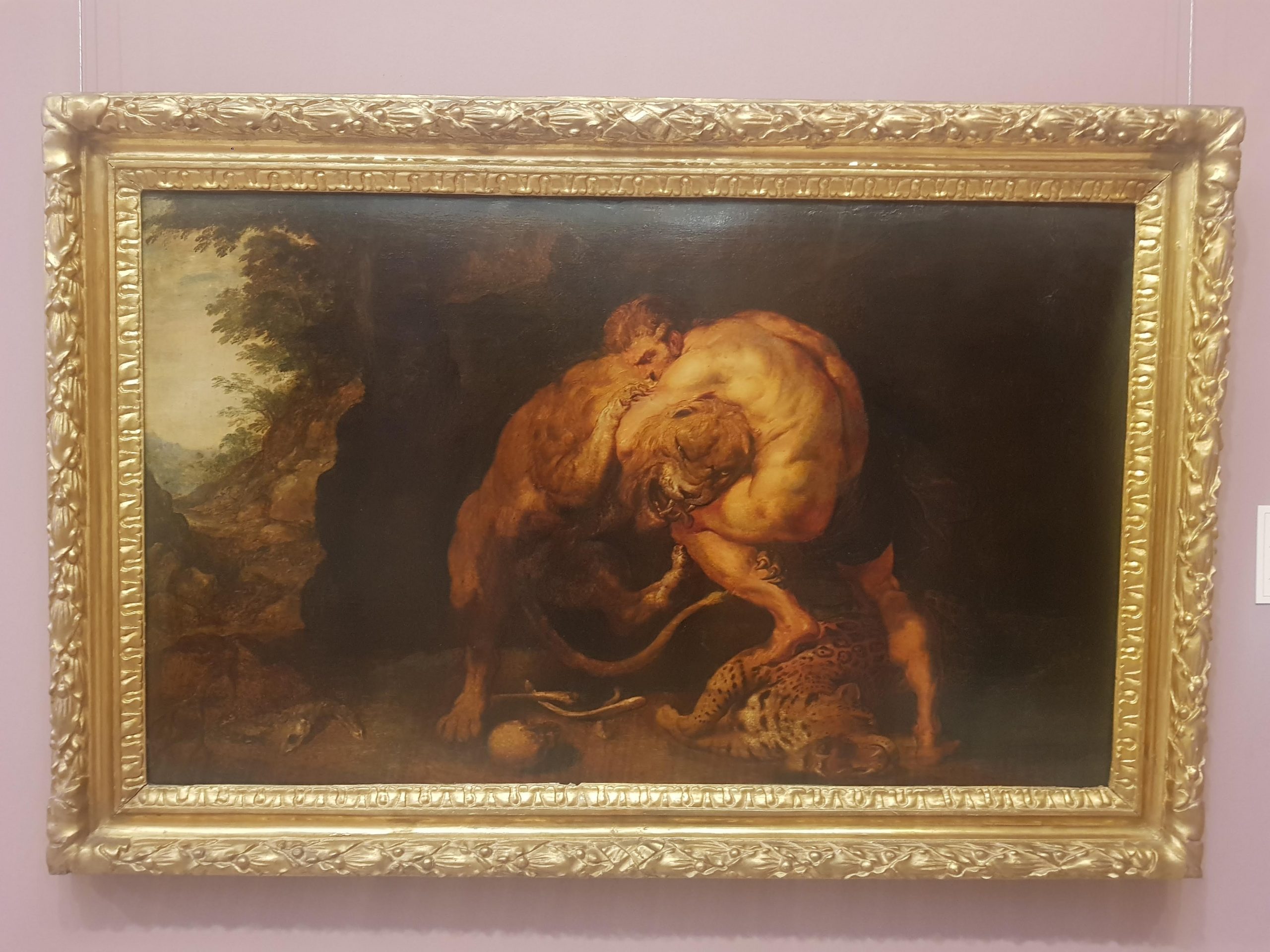
    This is one of the highlights of the National Museum of Art, although there’s not much made of it in terms of providing a background to the painting, even on the museum’s web-site. The artwork was painted in 1608, although the gallery don’t mention that, and it was part of the collection purchased by King Carol I of Romania. There seem to be copies and sketches for this painting located in numerous galleries dotted around the world, but none of them make reference to this artwork in Bucharest. All moderately confusing….

  • Bucharest – National Museum of Art (Archangel Michael)

    Bucharest – National Museum of Art (Archangel Michael)

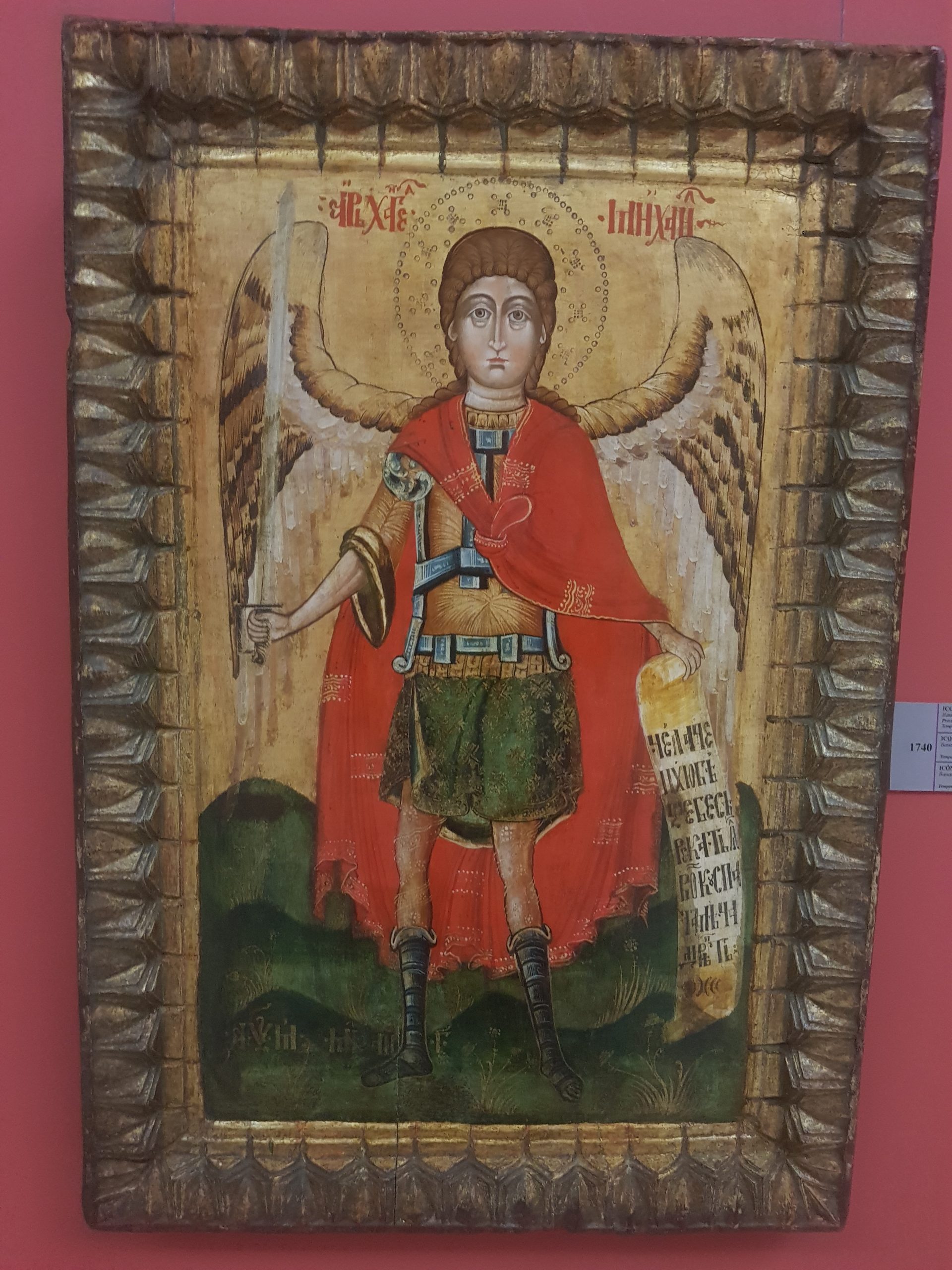
    This icon was painted on wood in 1740 and is from the Banat region of the country. I don’t wish to be disrespectful to such an important figure, but he looks a little scrawny here, they don’t like the legs of an archangel. Although I’m not entirely sure what their legs are meant to look like….