
Tag: Ghetto Wall

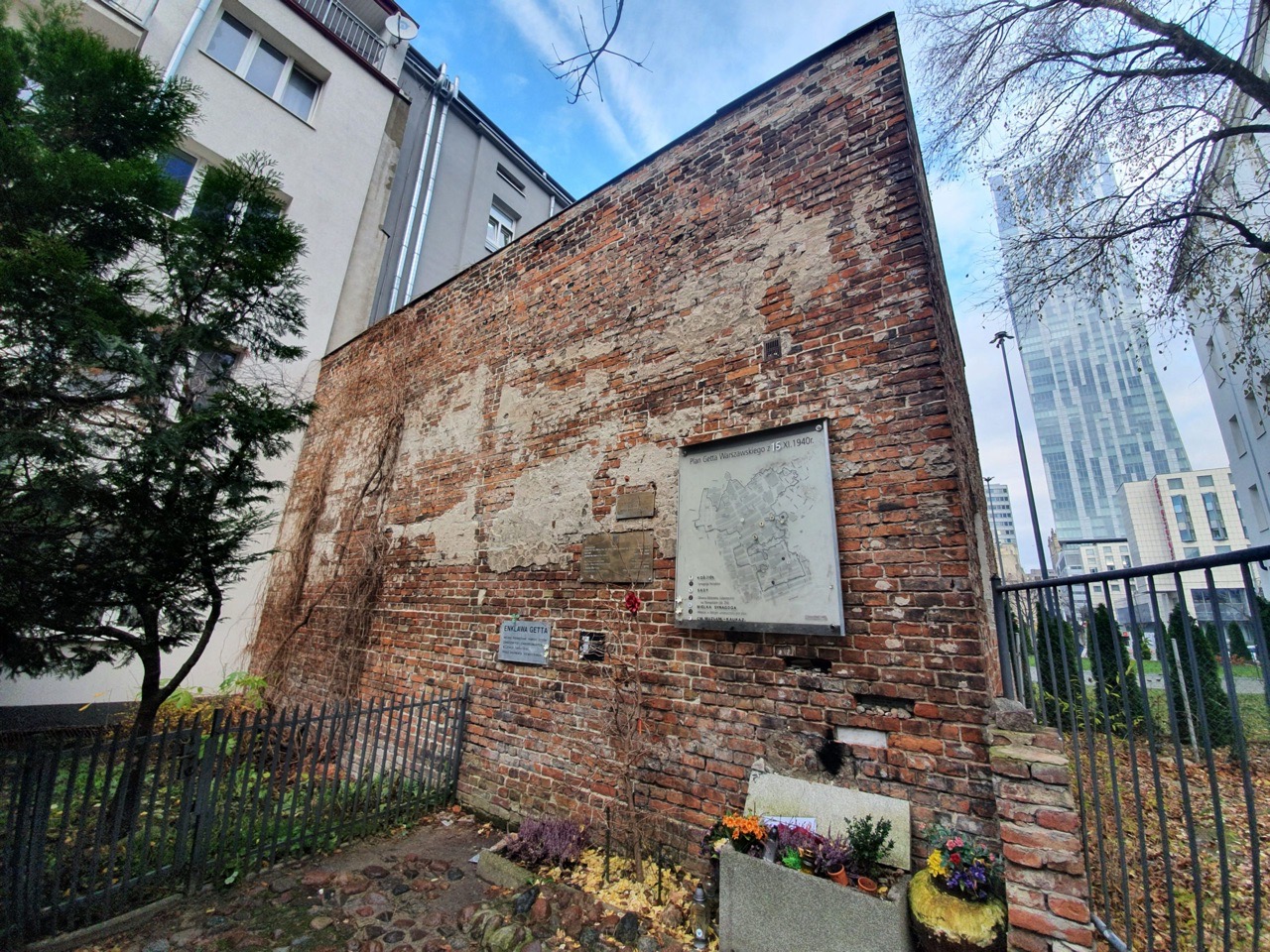
  • Warsaw – Warsaw Ghetto Remnant at 62 Złota Street

    Warsaw – Warsaw Ghetto Remnant at 62 Złota Street

    I thought that I’d written about this section of the Warsaw ghetto wall before, but it seems that I just wrote about the footprint of the wall. There are very few remnants of the former ghetto wall still standing, even though it was once 18 kilometres in length.

    There’s a map of the ghetto wall displayed. There’s also a really useful one at https://travegeo.com/Warsaw_Ghetto-22948?sharemap which shows the old ghetto on top of a modern map. The ghetto does look like it covers a large area, but at its peak there were 460,000 Jews living within the boundaries. The ghetto was liquidated in 1942, although by then many had died of starvation.

    A number of bricks have been removed from the wall and sent to other institutions around the world, including Yad Vashem and the Holocaust Museum in Australia. I had a look at the virtual tour of the museum in Melbourne and it seems a little surreal seeing the missing brick in their collections, a reminder of how important these fragments are. So much was destroyed in Warsaw during the Second World War and these remnants are now overlooked by skyscrapers and shiny new buildings, but that they still exist is hugely important.
  • Warsaw – Footprint of Ghetto Wall

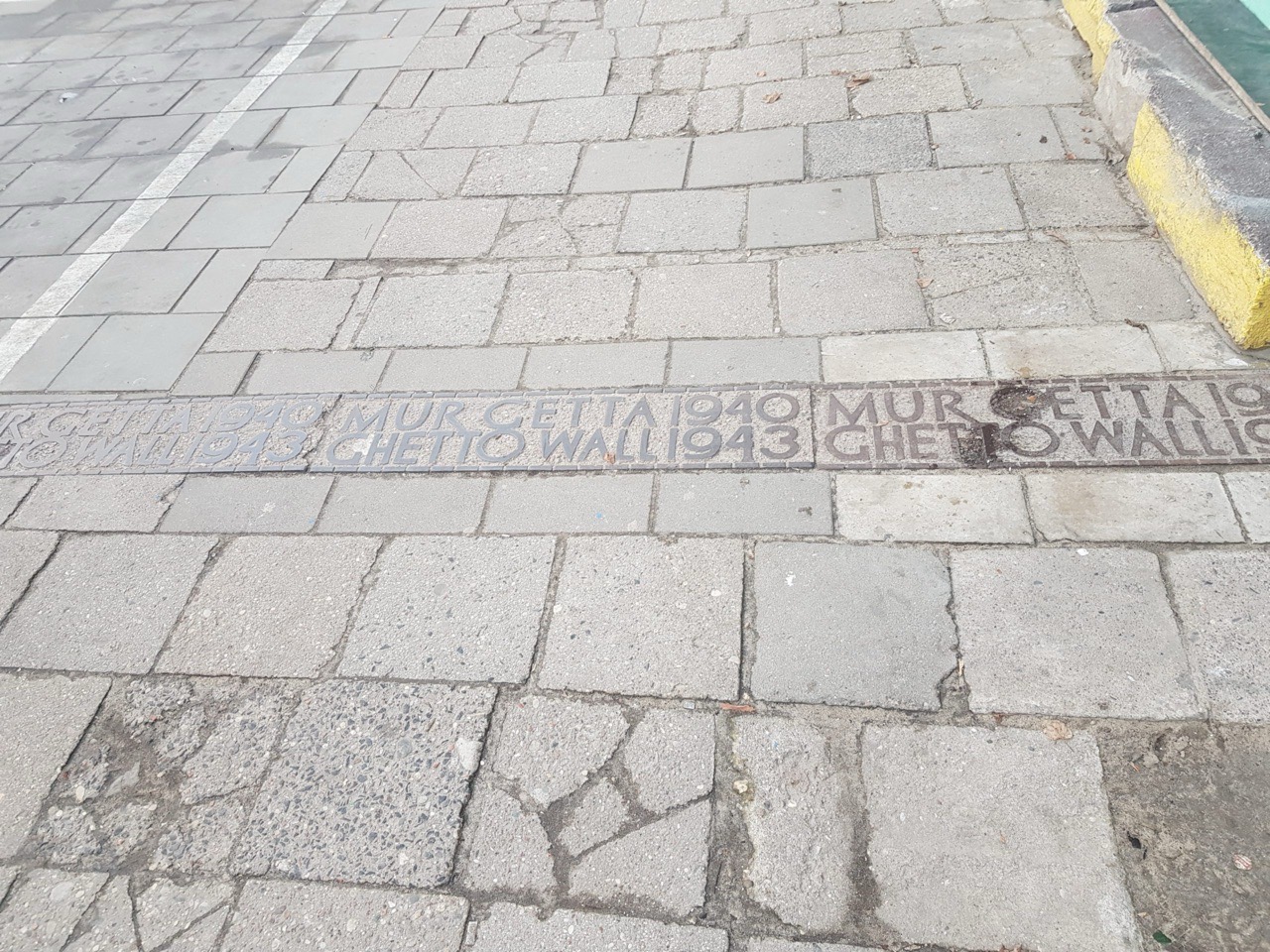
    Warsaw – Footprint of Ghetto Wall

    There’s little remaining of the city’s former ghetto wall (although more on that later) which was constructed during the Second World War during the period of German occupation. There were over 450,000 people forced to live in the area when the ghetto was established, with nearly 100,000 dying of starvation and hundreds of thousands more dying when the ghetto was liquidated and the residents despatched to concentration camps.

    A plan of the ghetto.

    It’s easy to follow the remnants of the wall, which stood from 1940 until 1943. A permanent reminder of the atrocities which took place here.

  • Krakow – Ghetto Wall

    There are, to my knowledge, two intact sections of ghetto wall left in Krakow, and this is the longest section which is located at ulica Limanowskiego. Looking at this remnant now, it is a sobering juxtaposition having a children’s playground located next to the wall.

    The wall was deliberately built to look like Jewish tombstones, and effectively the ghetto was established as a holding area to use people as free labour before their transportation to concentration camps. The ghetto was deliberately packed, so that there were four families placed in every apartment, with some not even fortunate enough to be able to live inside.