Tag: Buckenham

  • Buckenham – Name Origin

    Buckenham – Name Origin

    Further to my visit to Buckenham this week, this is the origin as given by The Concise Oxford Dictionary Of English Placenames. To confuse things just slightly, there are three Buckenhams in Norfolk, Old Buckenham, New Buckenham and what is mostly now just called Buckenham, but has historically been known as Buckenham Ferry.

    Buckenham, Norfolk. Buchanaham in Domesday Book, Bokenham Ferye in 1451. From Bucca’s Ham.

    Ham is a village or settlement, with Bucca being one of the early leaders of what became known as the Anglo-Saxons, a similar word origin to Buckingham, as well as the other Buckenhams in Norfolk. Unless he meandered around a lot between Buckinghamshire and Norfolk, I assume this was some related group of people who came to Norfolk in the seventh century. Incidentally, the ferry at Buckenham operated until the 1940s, but more on that another time….

  • Buckenham – St. Nicholas’s Church

    Buckenham – St. Nicholas’s Church

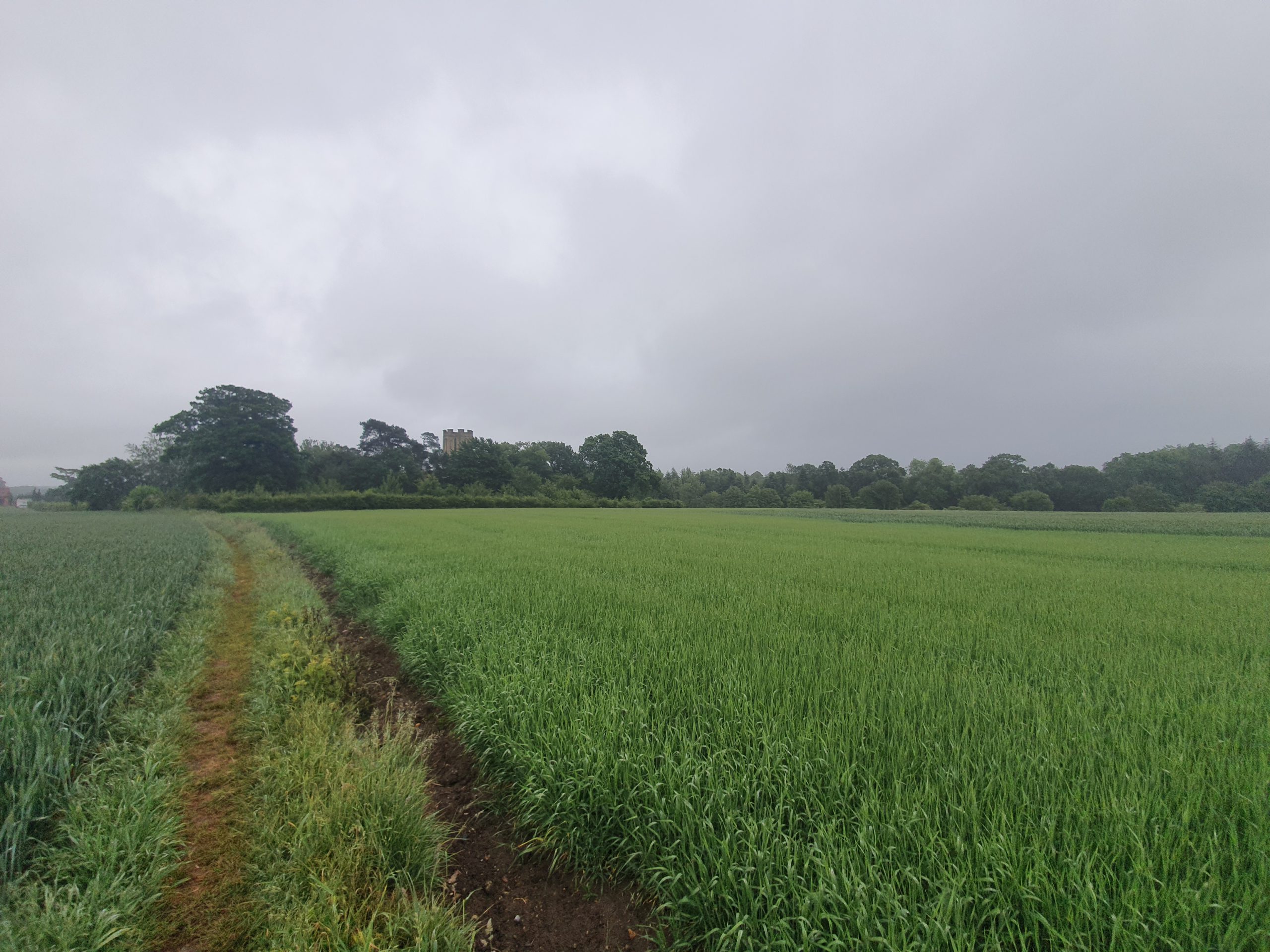
    This is the secluded church of St Nicholas in Buckenham. Unfortunately, the churches are currently closed given the ongoing health issue, but it’s possible to peer inside at the boxed pews and otherwise quite empty interior. There’s not much else in the area of the church, although it is a short walk from Buckenham railway station for those who can navigate themselves onto one of the few trains which stop there.

    The Norman tower, which was originally round and was later reworked to make it octagonal. That’s also an original Norman doorway and is in situ and probably wasn’t moved here from elsewhere in the church.

    The entrance to the stairs within the tower.

    The nave, which is the oldest part of the church and dates to the eleventh century.

    The fourteenth-century chancel.

    The north side of the church.

    The east window, and this tells a story of its own. The church was deconsecrated in 1968 and was just left by the Church of England to a slow abandonment. Fortunately, it was taken over by the Redundant Churches Fund around ten years later, but there had been vandalism and destruction during that time. One of the oldest bells in Norfolk was stolen and much of the Victorian stained glass had been smashed. The Churches Conservation Trust gathered up what glass they could and they’ve reset it in the upper part of the window, but the lower part is now just plain glass. This could though have very easily had a different fate, perhaps something more like what happened at Bixley.

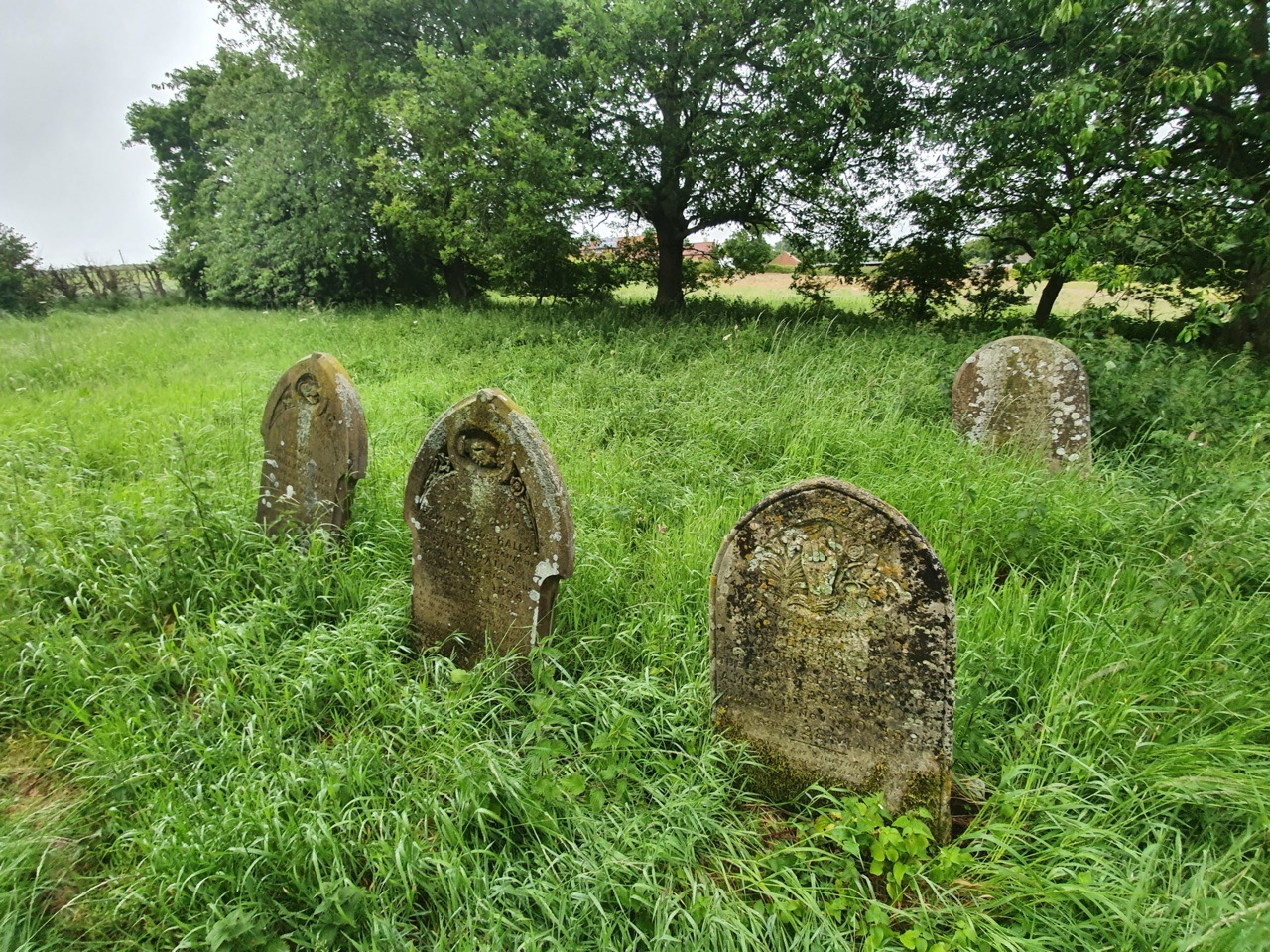
    It’s difficult to know whether this is a deliberate wildlife garden approach to their graveyard, or whether they just haven’t been able to cut the grass recently. The village of Buckenham depopulated over the centuries, so there hasn’t been much of a congregation to support it for some time. The church was remodelled in the 1820s, which gives it a different feel to the much more brutal and comprehensive restructurings of the later nineteenth century, although a guide from the beginning of the twentieth century called the changes “fitful and destructive”. Numerous Roman remains have been found in the area, suggesting some form of Roman encampment locally, likely because there was a ferry site nearby.

  • Buckenham – Buckenham Railway Station

    Buckenham – Buckenham Railway Station

    Buckenham railway station was opened in 1844 and it is now situated on the line which goes from Norwich to Great Yarmouth and Lowestoft. It’s not a very well used station, not least as there are no trains on weekdays, but a few people use it at weekends to access the nearby walks and bird reserves. It’s the least used railway station in Norfolk, with only a couple of hundred people a year using it, with passengers having to request a stop here.

    The railway building, which seems to have now been converted into a house. This railway station was once frequently used to sell livestock, so I’m sure there was some freight trade here at some time. There was a signal box in the area that is now trees to the left of the gate, which was derelict by the 1980s and has since been demolished.

    The buildings, none of which are listed, that front onto the platform, all of which are now closed off to the public. Not that the handful of passengers realistically need any facilities here.

    The socially distanced bench, along with cat for scale. This is the same cat that was waiting for the train.

    Looking in the direction of Norwich, there is another platform on the other side and further down the tracks, although I’m puzzled why they’ve shoved it down there.

    And the new lights on the automated crossing which has been recently installed. There’s little need for this railway station, especially when considering how many much more needed stations were lost, but it’s a quirky piece of history that it remains and it’s handy for the RSPB reserve. And, should anyone miss the infrequent train on weekends, it’s not far to walk to the metropolis that is Cantley.

  • Buckenham Railway Station and the Waiting Cat

    Buckenham Railway Station and the Waiting Cat

    More on Buckenham railway station in another post, but I liked the cat waiting patiently at the platform.