Category: Honing

  • Honing – Church of St. Peter and St. Paul (Roll of Honour)

    Honing – Church of St. Peter and St. Paul (Roll of Honour)

    The roll of honour, or the list of people who fought in the First World War, in the Church of St. Peter and St. Paul in Honing. It’s notable just how members of the Flaxman families went to fight in the conflict and there were 54 men in total who served. Sadly, 11 of those died and more about these in some future posts….

    The 11 who died are:

    Donald Beck

    E. Randell Cubitt

    Victor M Cubitt

    Eustace H Cubitt

    Archibald Flaxman

    Charles Flaxman

    Herbert Flaxman

    William Hannant

    Robert Jarvis

    John Meek

    Reginald Riches

  • Honing – Church of St. Peter and St. Paul (Tomb of Andrew Chamber)

    Honing – Church of St. Peter and St. Paul (Tomb of Andrew Chamber)

    The tomb of Andrew Chamber is located in the aisle of St. Peter and St. Paul Church in Honing.

    Andrew Chamber was born in Walcott on 24 July 1690 and he died on 24 December 1743 and was buried just two days later. The Latin on this tombstone reads ‘The noble human remains, son of Andrew and Susannah Chamber of Walcott. He left three children, Bevill, Andrew and John. Died on 24 December at the age of 53, AD 1743’. I don’t know how Bevill translates, I can’t imagine that’s the correct name I’ve translated there.

    It’s evident that as Andrew has this tomb in the centre of the church that he had some money or influence. And indeed, his son who was also known as Andrew, built Honing Hall in 1748 and he had made his money from Worstead weaving. I’m not entirely sure, but I’d imagine the Andrew Chamber buried here would have also been a weaver (and Honing church is near to Worstead), who had managed to build up some wealth.

  • Honing – Church of St. Peter and St. Paul (Interior)

    Honing – Church of St. Peter and St. Paul (Interior)

    Pleasingly, the Church of St. Peter and St. Paul in Honing was open when we visited on a Sunday early evening.

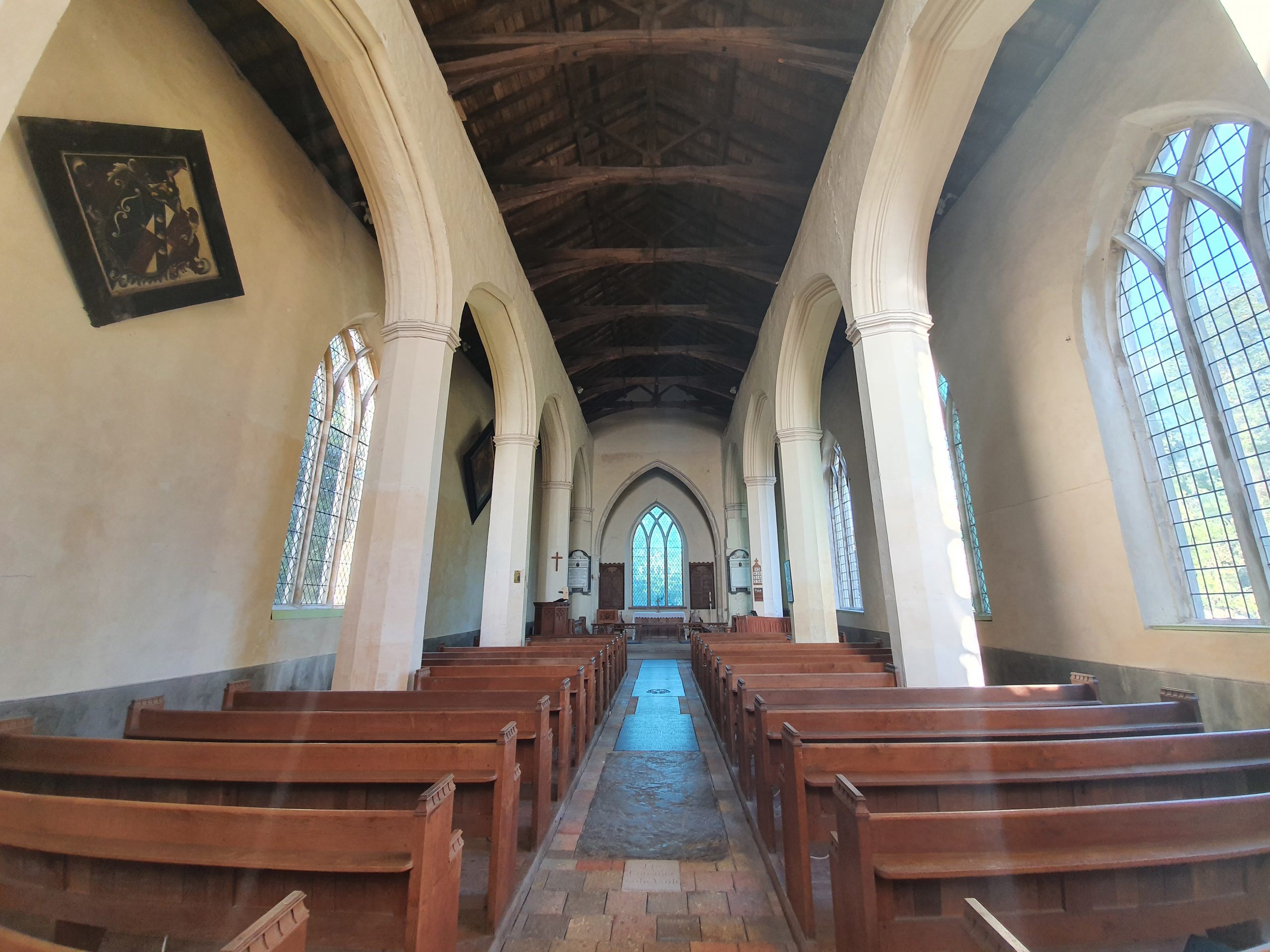
    It’s a bright and airy church, although the boxed pews that might have added some extra charm were replaced in the early part of the twentieth century. I accept some people don’t think boxed pews do add character, but there’s something about these almost secretive looking boxes that I find historically attractive.

    The chancel was shortened in 1795 when the church was reconstructed, so there is now very little left of it.

    Looking back towards the west end of the church. The wooden roof is from 1795, although there was a ceiling underneath it originally, which has since been removed.

    I like the flooring, which adds some character, with the tower section closed off with a wooden partition. There was a substantial restoration recently and this does allow members of the public access to the top of the tower, albeit only as part of a pre-arranged guided tour.

    The top section of the font is made from Purbeck marble and dates from the thirteenth century, with the lower section dating to the fifteenth century. It’s thought that there has been a church here since the thirteenth century, with the bulk of it being reconstructed during the fifteenth century. That would fit with the dates of the font, so the older part is likely contemporary to the original church that was here and the rest is from the rebuilding.

    These are some of the narrowest aisles that I’ve seen in a church and I can’t imagine that this was the original construction plan. It’s likely another one of the changes that were made in the 1795 reconstruction and it does feel out of proportion. There are two possibilities, one is that the walls were rebuilt and pushed inwards and the other is that the arcade has been moved outwards towards the wall.

  • Honing – Church of St. Peter and St. Paul

    Honing – Church of St. Peter and St. Paul

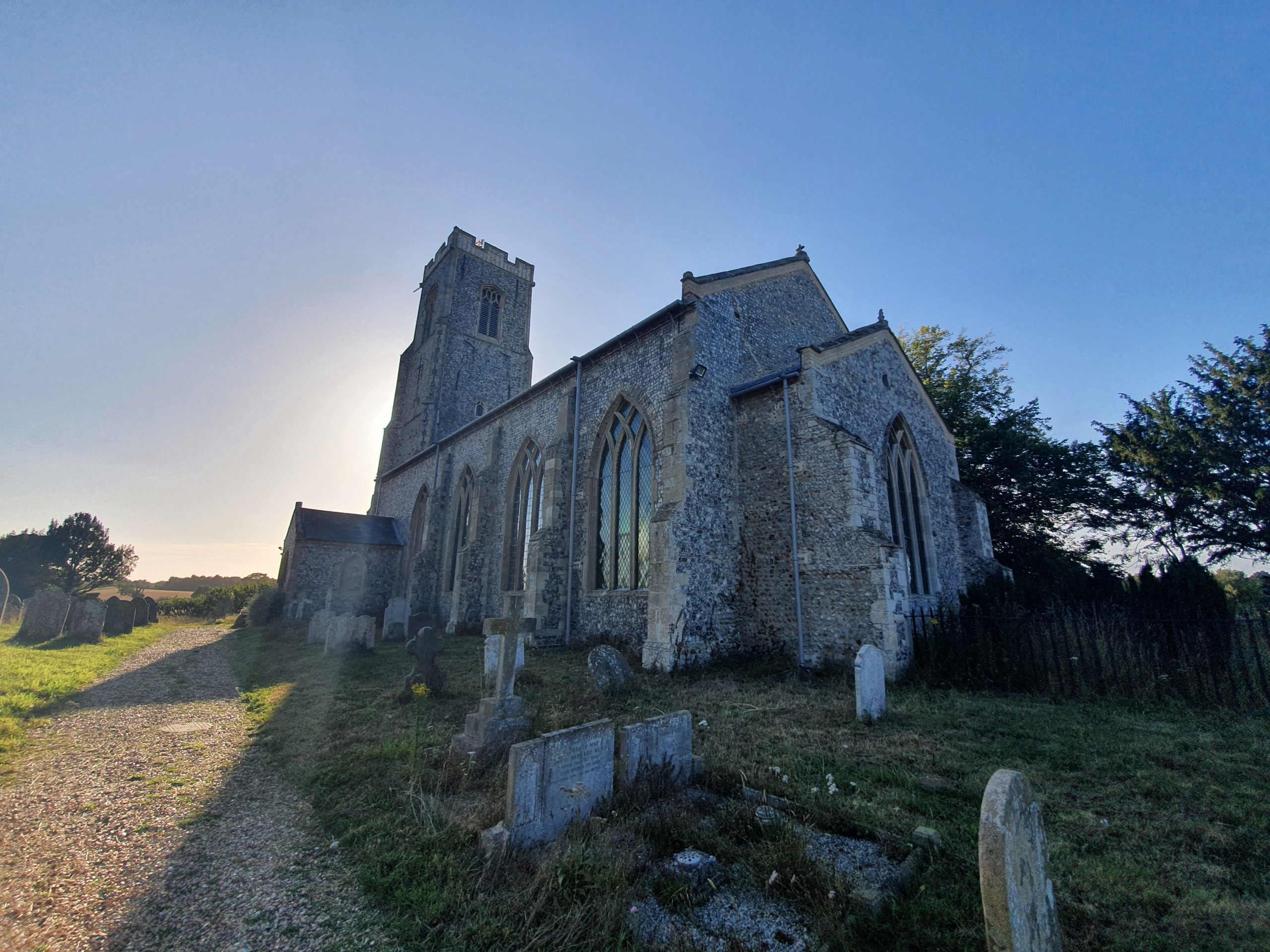
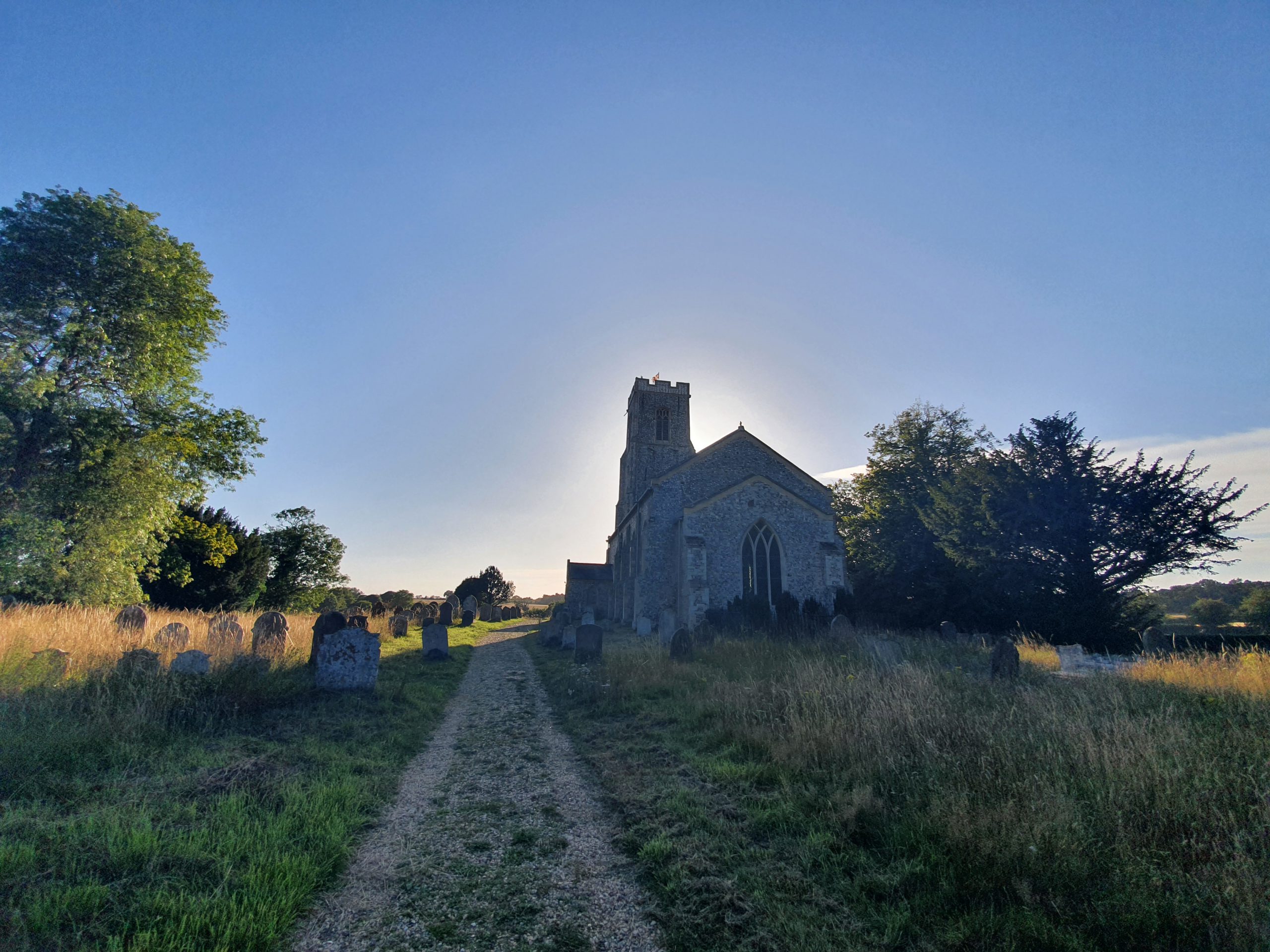
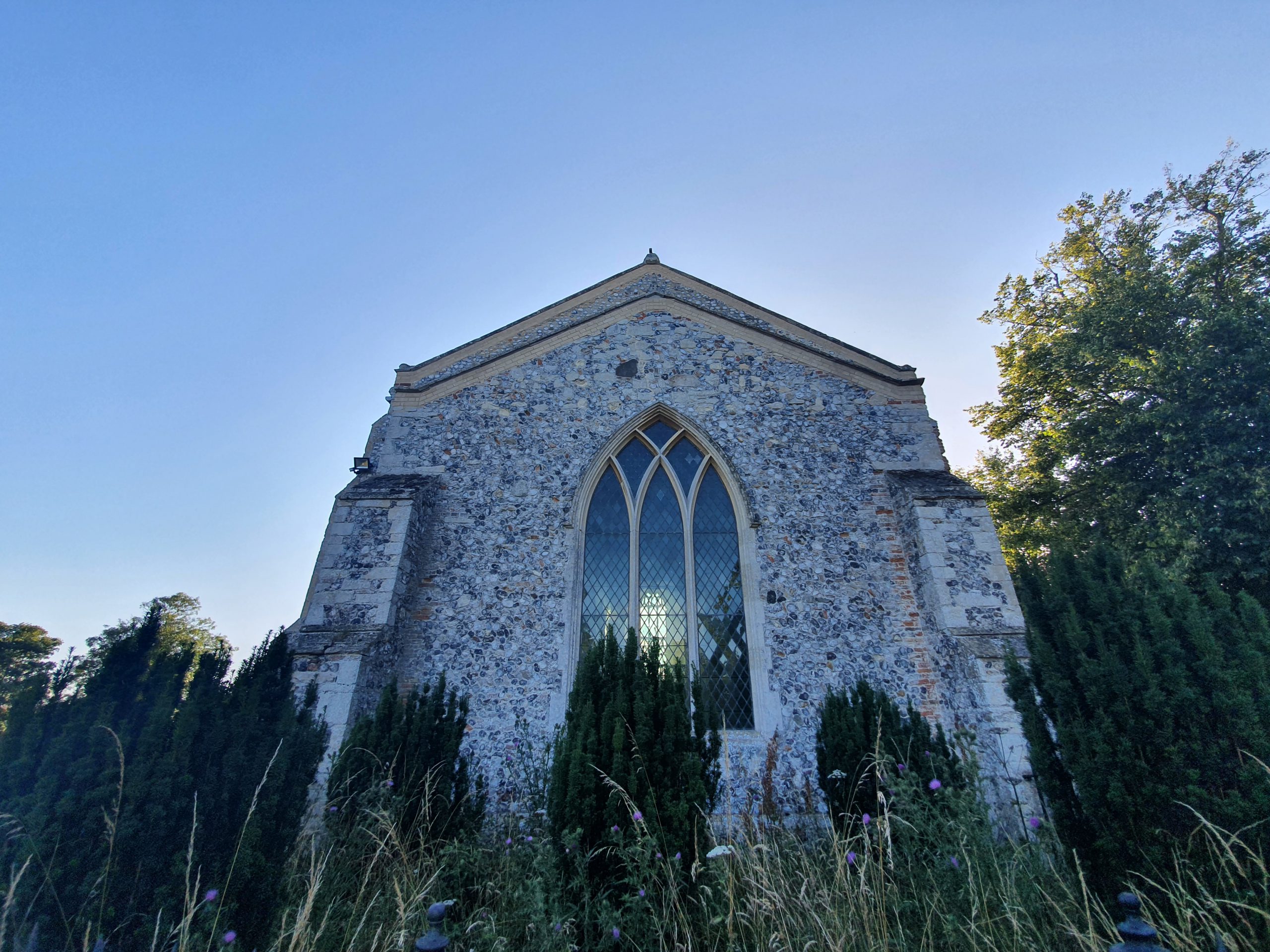
    St. Peter and St. Paul is a fifteenth-century church which was substantially changed in 1795, something highly evident both internally and externally. It’s a peaceful location and there’s a long churchyard, which was extended in the early twentieth century. There has though been a church here since at least the thirteenth century, and a few elements of this have been incorporated into the nave.

    The most obvious external change to the church is the chancel, which has been almost ludicrously cut short. There is an area with iron railings around it and this marks the consecrated area of where the chancel once stood. It’s not known what caused this rebuilding, but one historian has suggested that the church caught fire and this was the best repair that could affordably be made.

    The new chancel end.

    The nicely proportioned tower is contemporary in age to the rest of the church. There was a relatively large-scale restoration of the building completed recently, coupled with the hope of encouraging more people to visit the church. The tower is also now climbable, although only as part of a pre-arranged guided tour.

    This is the west doorway on the tower, with the original door having been closed off during the 1795 restoration and a window added. The large window half-way up the tower is from the late fifteenth century, so may have been added after the church was originally constructed, but was likely part of the original design.

    We were able to have a look inside the church, so more about that in another post.

  • Honing – Name Origin

    Honing – Name Origin

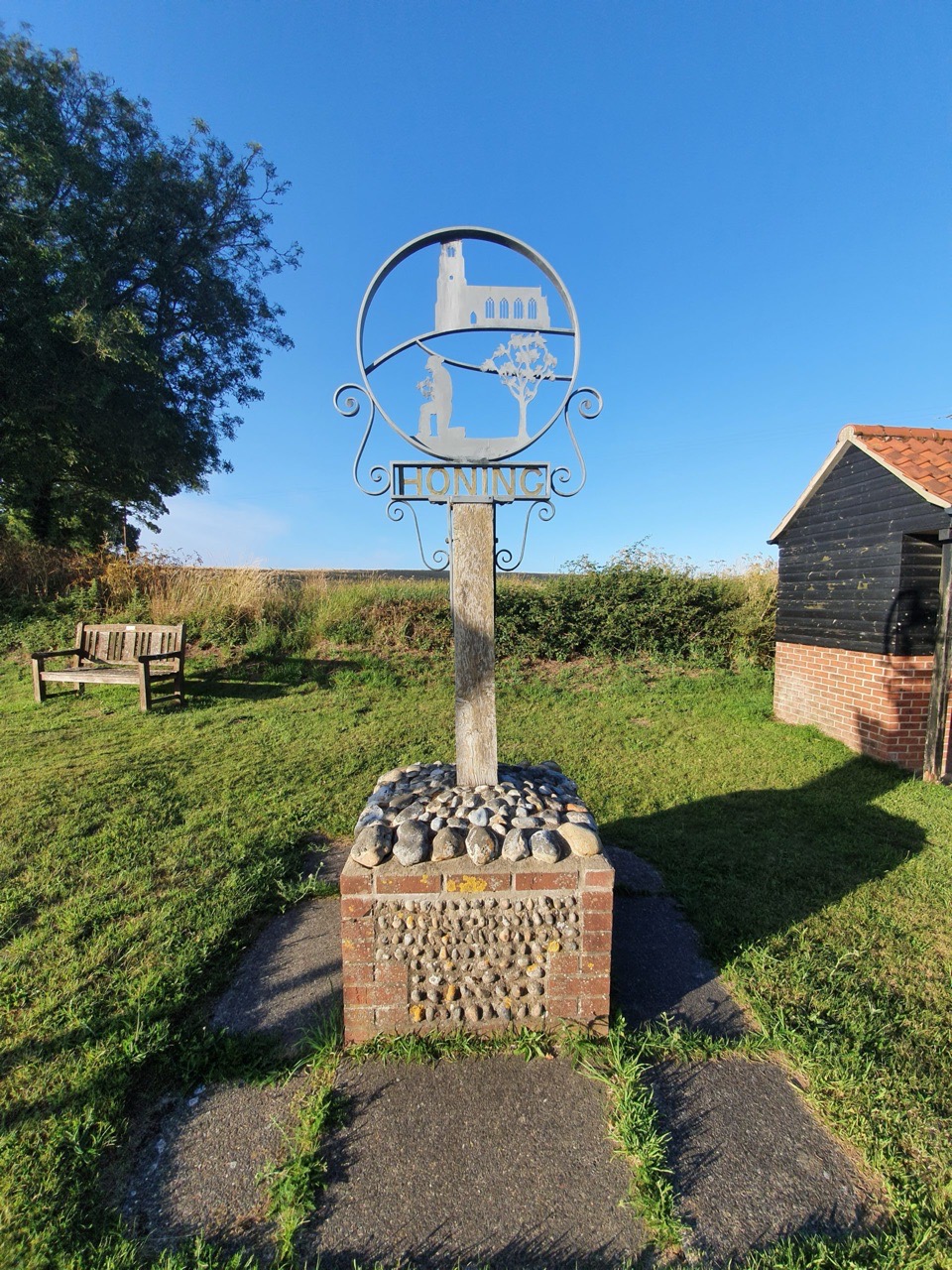
    On a little meander around North Norfolk churches we visited Honing, a village with a population of around 300 people. So, on my theme of establishing where these names come from, The Concise Oxford Dictionary Of English Placenames says:

    Honing, Norfolk. Hanninge in 1044, Haninga in Domesday Book, Haninges in 1150. Old English Haningas, the people at the han or rock. Very likely han here means hill and refers to the small hill at the place.

    As an aside, the ‘han’ here is the derivative of what became the word honing, as in improving and sharpening skills. The word ‘han’ could mean hill or rock, in this usage of the word it became used as meaning a whetstone where razors were sharpened. So, although they’re pronounced differently, Honing (the place, Hon rhymes with Bon as in the French word) and honing (the skill, honing rhymes with boning) have the same origins.