Category: Coltishall

  • Coltishall – St. John the Baptist Church (War Grave of Frederick H Hilling)

    Coltishall – St. John the Baptist Church (War Grave of Frederick H Hilling)

    20250608_142518

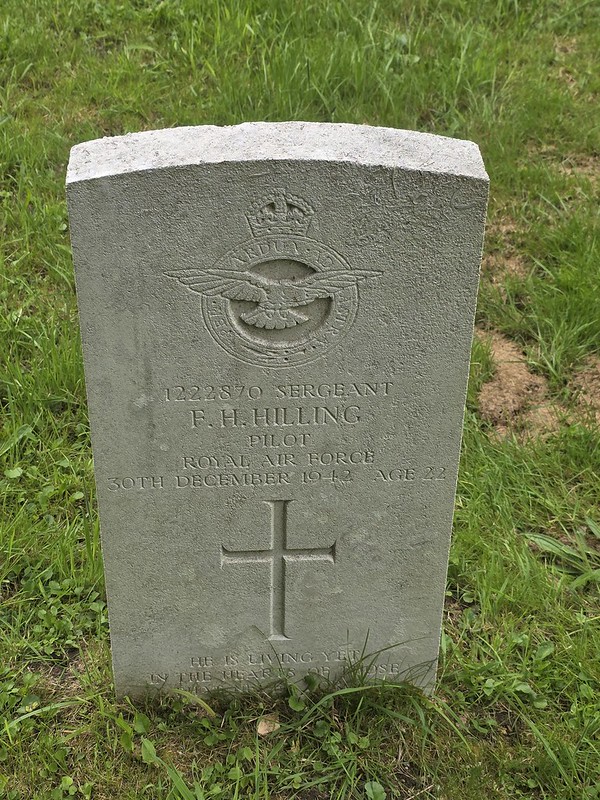
    This is the war grave of Frederick H Hilling, located in the churchyard of St. John the Baptist Church in Coltishall.

    Frederick was born on 30 October 1920 and he’s listed on the 1939 Register as living at 11 Council Houses in Coltishall, living with his father Herbert (a fruiterer), his mother Florence (a housewife), his older brother Thomas (a wood machinist) and his younger brother Bertie (a carpenter). At the time, Frederick was listed as being single and working as a painter and decorator.

    He was a sergeant in the Royal Air Force, service number 1222870. He died on 30 December 1942 at the age of 22 years old when the plane that he was flying (a Consolidated PBY Catalina) crashed at Reaghan Hill in Omagh. Air Crew Remembered notes that those killed included:

    Pilot: Sgt. John Samuel Orr 978191 RAFVR Age 21.
    Pilot: Sgt. Frederick Herbert Hilling 1222870 RAF Age 22.
    Fl/Eng: Sgt. George Wilson Lowther AUS/6240 Age 25.
    Nav: F/O. Robert Mercer Adams J/11950 RCAF Age 20.
    Flight Mech/Air/Gnr: Sgt. John Edward Slade 1233795 RAFVR Age 20.
    W/Op/Air/Gnr: Sgt. William Nichol 1026077 RAFVR Age 21.
    W/Op/Air/Gnr: Sgt. Arthur Horton Perkins 1132720 RAFVR Age 28.
    W/Op/Air/Gnr: Sgt. Charles Bernard Ridge 1198310 RAFVR Age ?
    Air/Gnr: F/O. Matthew James Hall Newman 49003 RAF Age 25.
    Air/Gnr: Sgt. Daniel Ward Yates 1058083 RAFVR Age 21.
    Air/Gnr: LAC Leslie Greenhalgh 1137149 RAFVR Age 22.

    Frederick’s body must have been transported back to Coltishall where his family lived for him to be buried in the church’s churchyard. I did wonder why he wasn’t buried at RAF Coltishall’s church, but he was stationed at RAF Killadeas in Northern Ireland rather than locally. But, the element that intrigues me is that in 1939 this young man was working as a painter in Coltishall, but yet within three years is piloting aircraft.
  • Coltishall – Name Origin

    Coltishall – Name Origin

    After visiting Coltishall yesterday evening, I had a little look at The Concise Oxford Dictionary Of English Placenames to understand its name origins.

    Coltishall, Norfolk. Coketeshala in Domesday Book, Couteshal in 1200 and Couteshale in 1219.

    Like with Brundall, the ‘halh’ bit is usually a secret place, a tucked away area or some land which is separate from its administrative area. So, it’s a tucked away place owned by an Anglo-Saxon known as Cohhede or Coccede.

  • Coltishall – Railway Tavern

    Coltishall – Railway Tavern

    Just to show how rarely I go to Coltishall, the last time I went by the Railway Tavern it looked something like this. It opened just before the First World War, originally known as the New Inn, before becoming known as the Railway Inn and later on the Railway Tavern.

    And this is what it looks like now, which is quite sad as I suspect that with the seemingly ever-increasing number of people coming to Coltishall for walking and canoeing that it would likely have been able to be viable once again. I admit it’s at the wrong end of the village for that, but start serving craft beer and it’ll soon attract the hoards…. It closed in 2012, although it remained empty for some time before it was permanently delicensed. It’s a former Morgans, Bullards and then Watley Mann owned pub, before going through a series of pubco owners.

    What is interesting is the heritage statement required, primarily relating to the lime kiln behind the building, when planning permission was approved, with the document referring to the planning inspector being “spectacularly wrong” in 1991. It’s an intriguing read….

  • Coltishall – Great Hautbois Holy Trinity Church

    Coltishall – Great Hautbois Holy Trinity Church

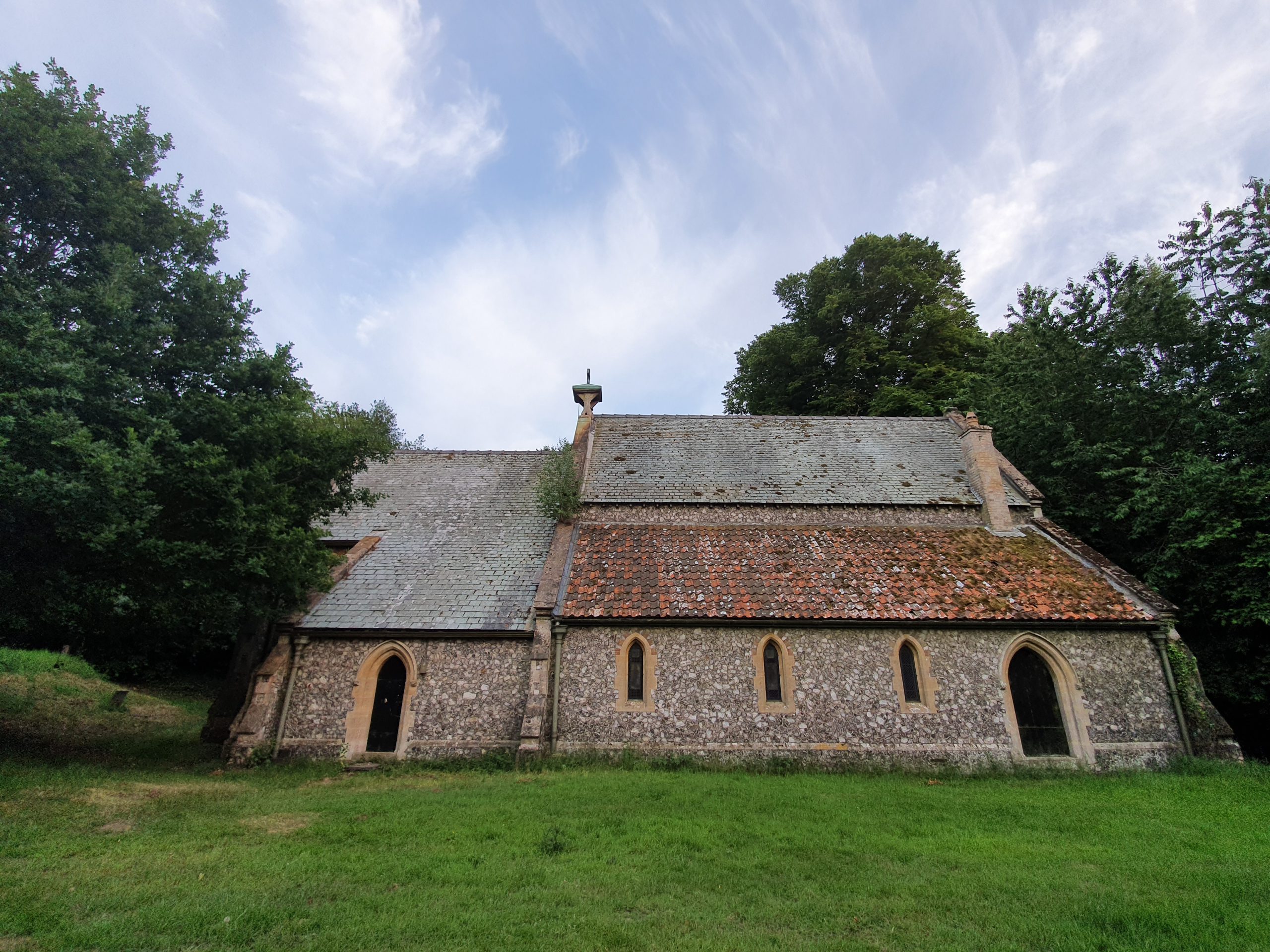
    This slightly quirky church is located on Great Hautbois Road, a short distance from the centre of Coltishall.

    The church dates from the late nineteenth century and is unexceptional, but is in keeping with its rural environment. The church is apparently usually closed, although it is inevitably at the moment given the health situation, but it does have inside the twelfth-century font that was from St. Theobalds, a nearby ruined church. The building was designed by Thomas Jeckyll and although there’s a churchyard there are no burials in it, other than for a very small number of cremated remains.

    The chimney and the bell tower add some charm to the church, which seems a little misproportioned to me. The church has in some of its windows the only transfer glass left in Norfolk, with the images laid onto the glass using the transfer method in the 1880s. Incidentally, I didn’t notice any of this glass, the listed building record helped me out there.

    We wondered why there was no sign at the entrance with the church name on, but then we saw this near to the church door, so it looks like a repair is being planned. There was a newspaper article in 2017 saying that the girl guides, who have a large base opposite, were looking to take over the building as the Church of England congregation had fallen to just four people. There aren’t any signs at the site that this takeover has happened, but I can’t see much religious future for the church with such a low congregation.

  • Walking Photos from Around Coltishall

    Walking Photos from Around Coltishall

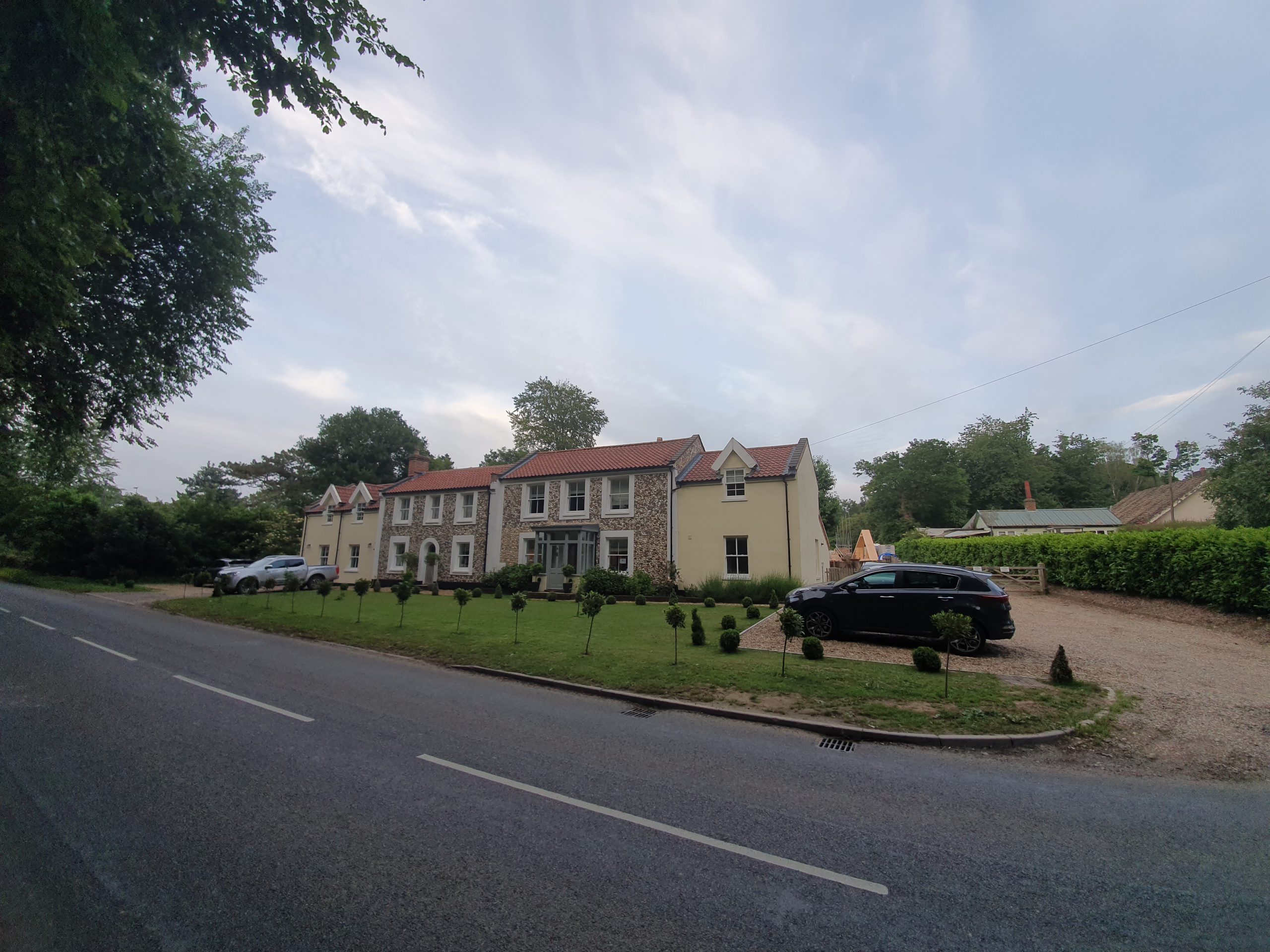
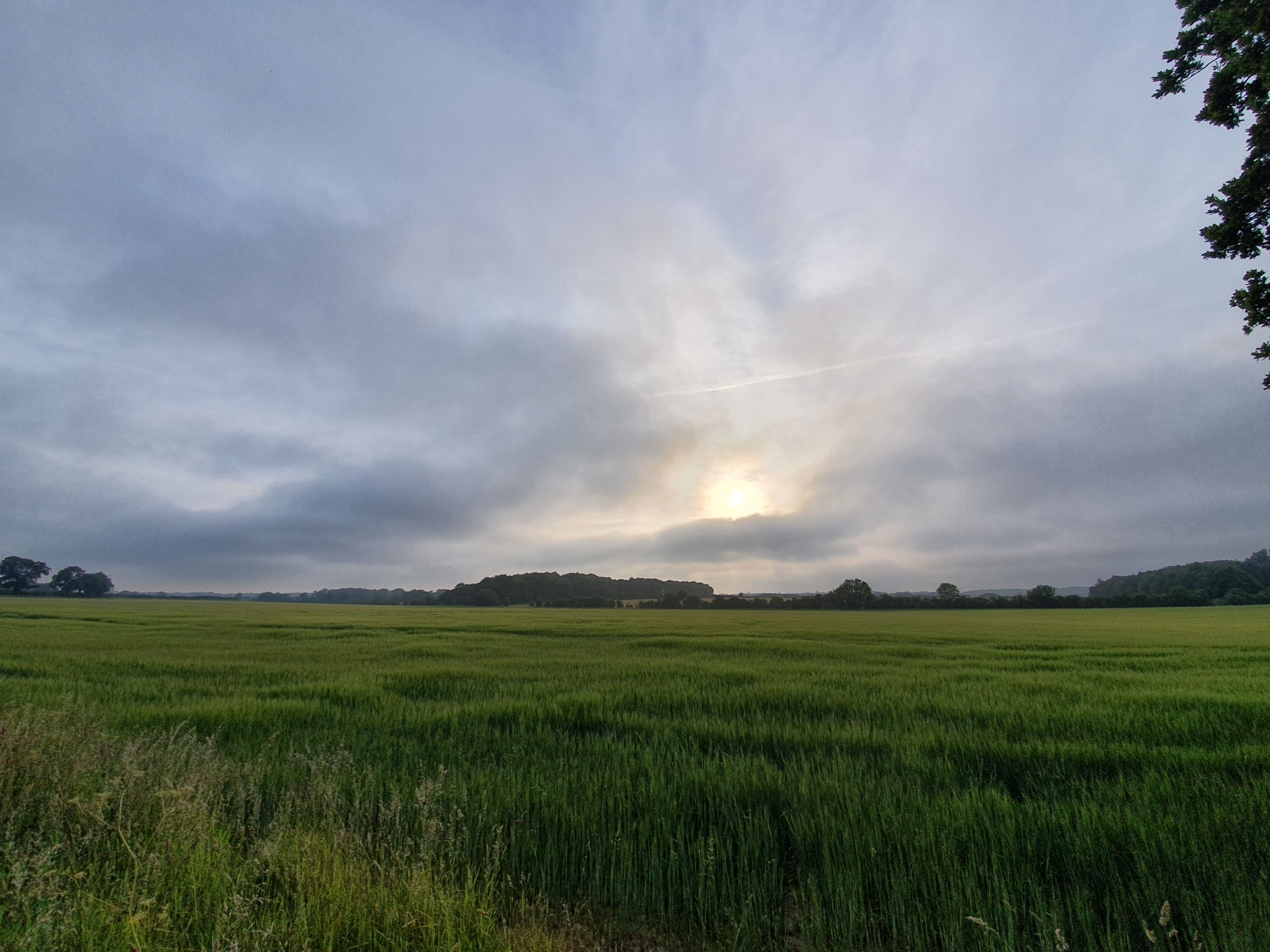
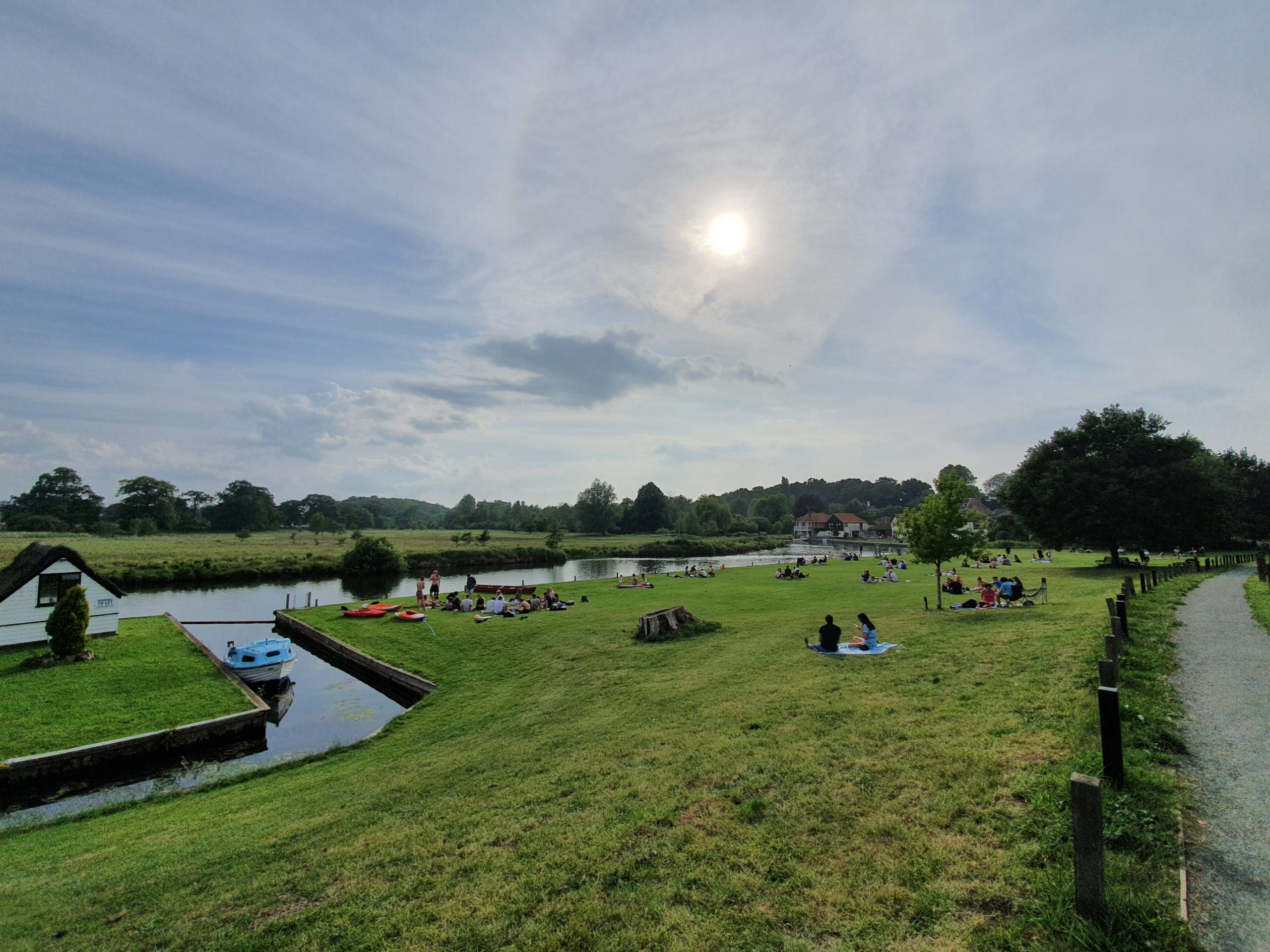
    Just photos, but a pleasant evening in Coltishall and there were no shortage of people sitting by the river.