Category: Swanton Abbott

  • Swanton Abbott – St. Michael’s Church (Interior)

    Swanton Abbott – St. Michael’s Church (Interior)

    Last time I visited St. Michael’s Church in Swanton Abbott it was closed, but fortunately on a sunny July Sunday afternoon, it had been partly opened.
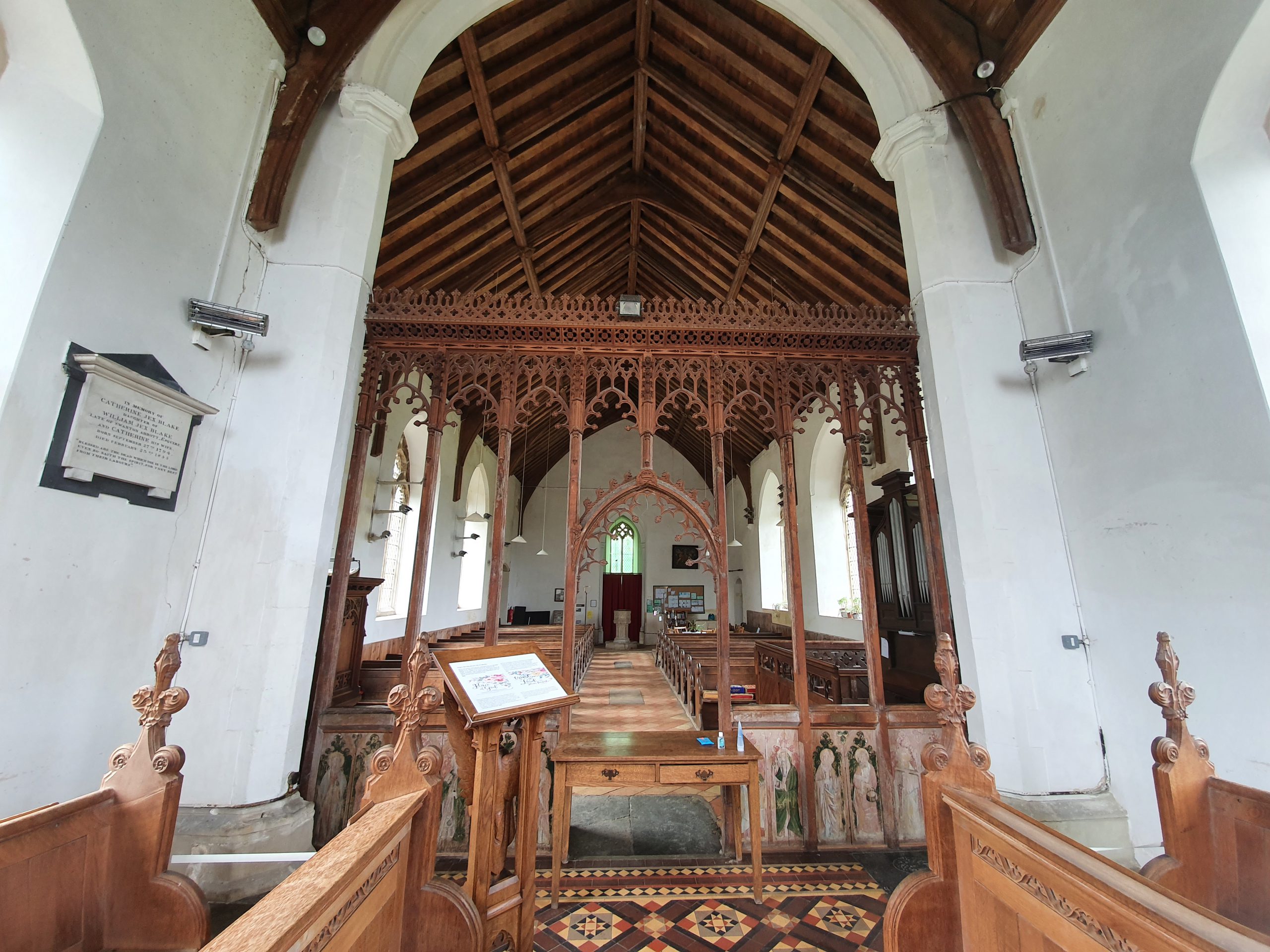
    Only the chancel area was open to visitors and the nave was closed off, meaning that the church’s Priest Door was brought into use. I didn’t get the impression that the church had been inundated with visitors, but it was useful that it had been opened up and clear signage installed.
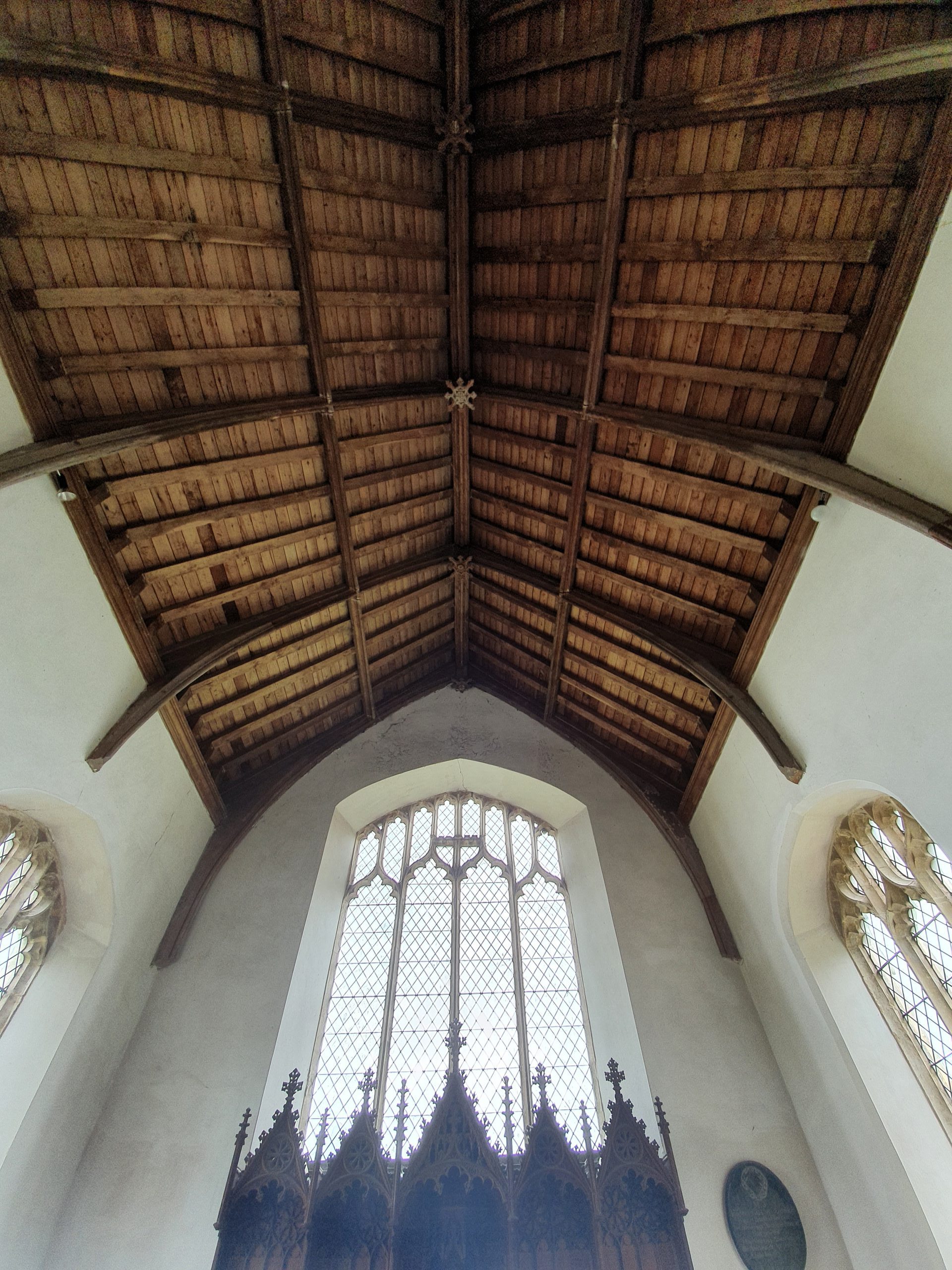
    The chancel end of the church, with this grand wooden arch-braced roof dating to 1953.
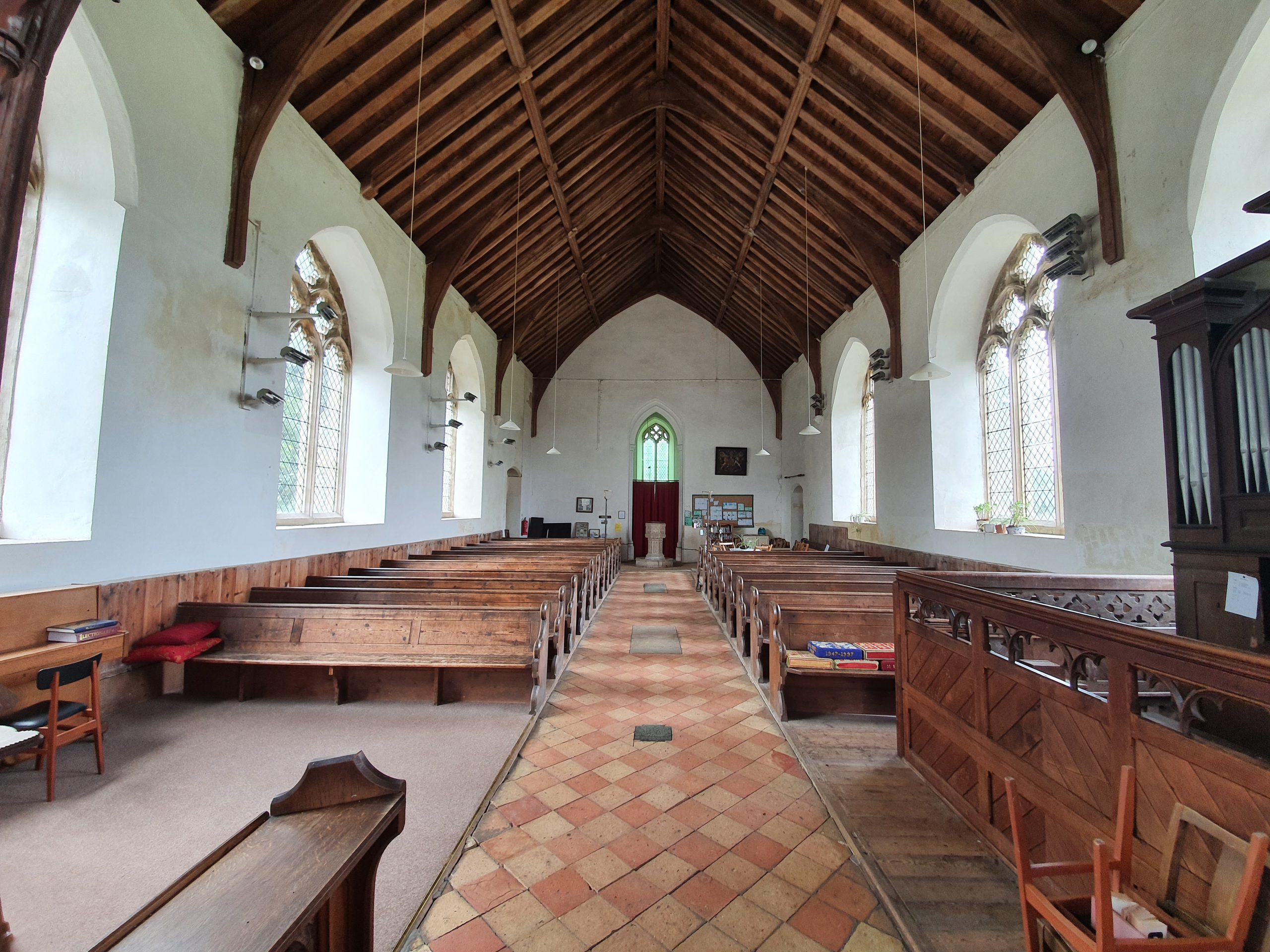
    The interior is bright and well proportioned, with the fifteenth-century font being visible at the back of this photo.
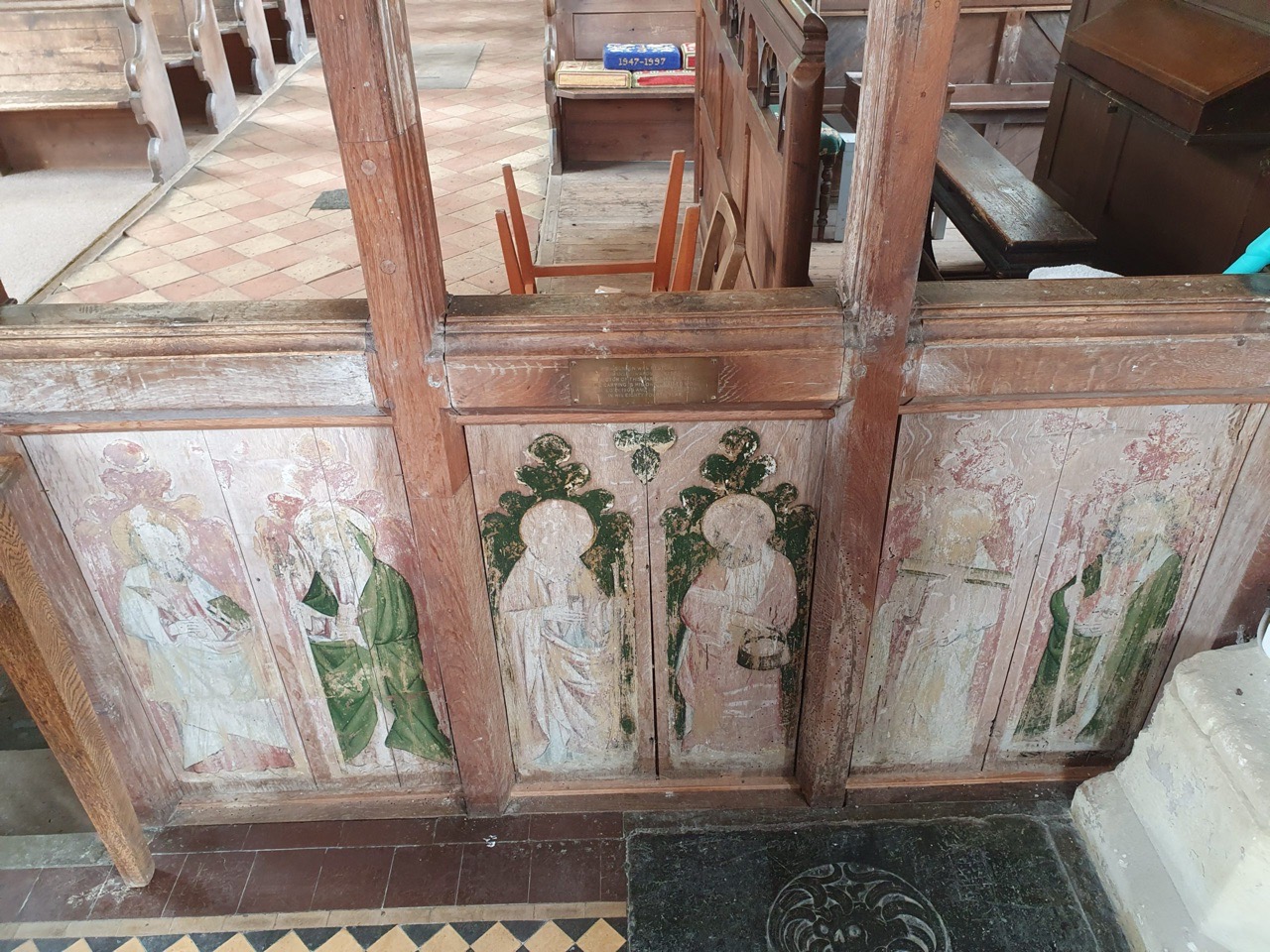
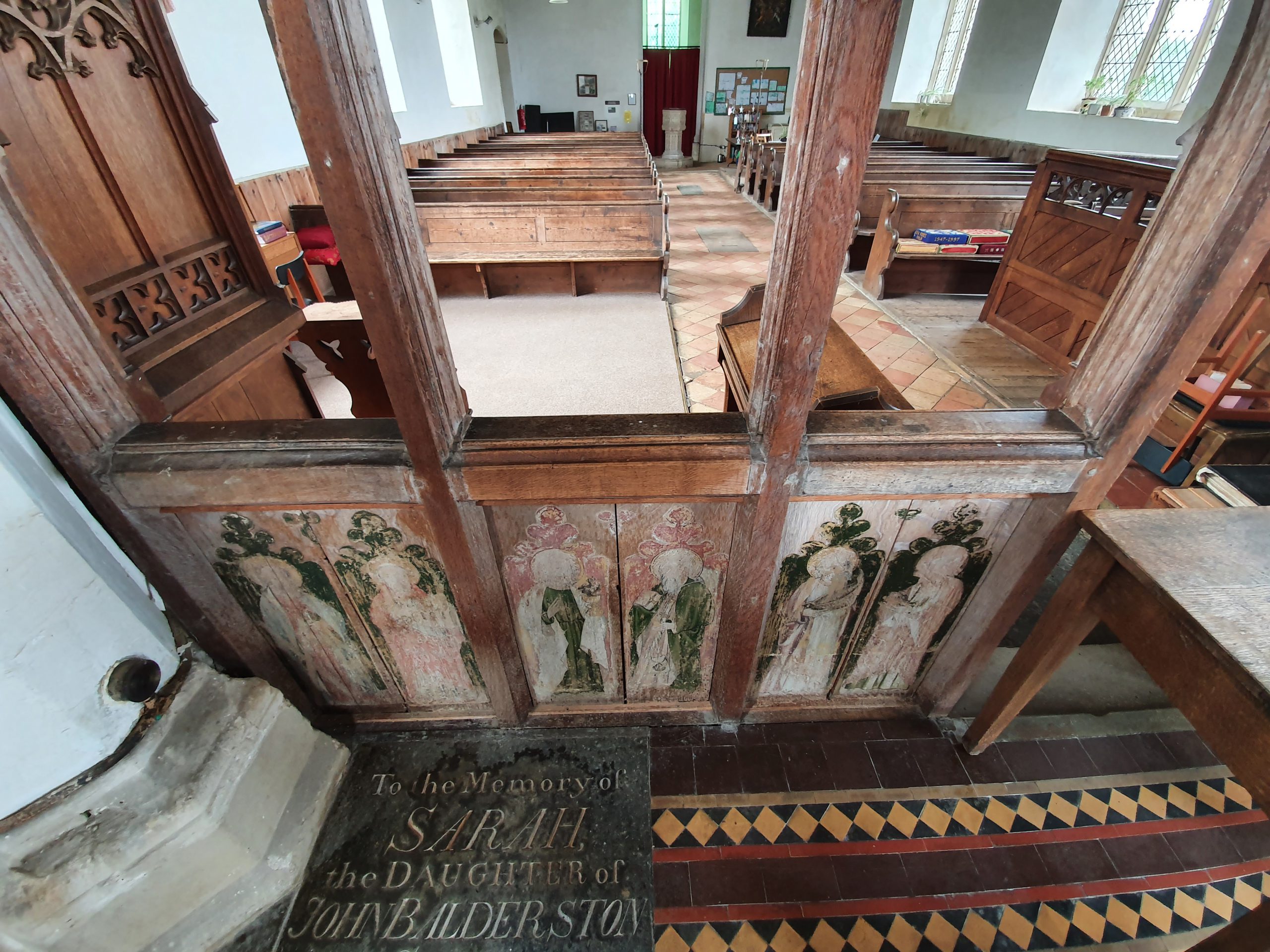
    The rood screen was mauled about between 1906 and 1913, with the position of the paintings changed and no-one is now quite sure what they were like before the rector had his DIY moment. There’s some beautiful visual imagery here though, it must have inspired at least some of the congregation when it was originally installed.

    As mentioned, we entered through the Priest’s Door in the chancel, although with good intentions. In 1851, Robert Fisk, James Dyball and George Green entered the church through that very same door, but not with the same good intentions. Numerous books on one pew were destroyed and the matter went to court, with initially a decision that the men weren’t guilty. Then something changed and Allen Hook (the son of the parish clerk) found himself charged with perjury and an appeal was accepted with the three men facing trial again. This time the magistrates in Aylsham sentenced the three men to six weeks in prison, with hard labour to add to the mix.
  • Swanton Abbott – Jolly Farmers

    Swanton Abbott – Jolly Farmers

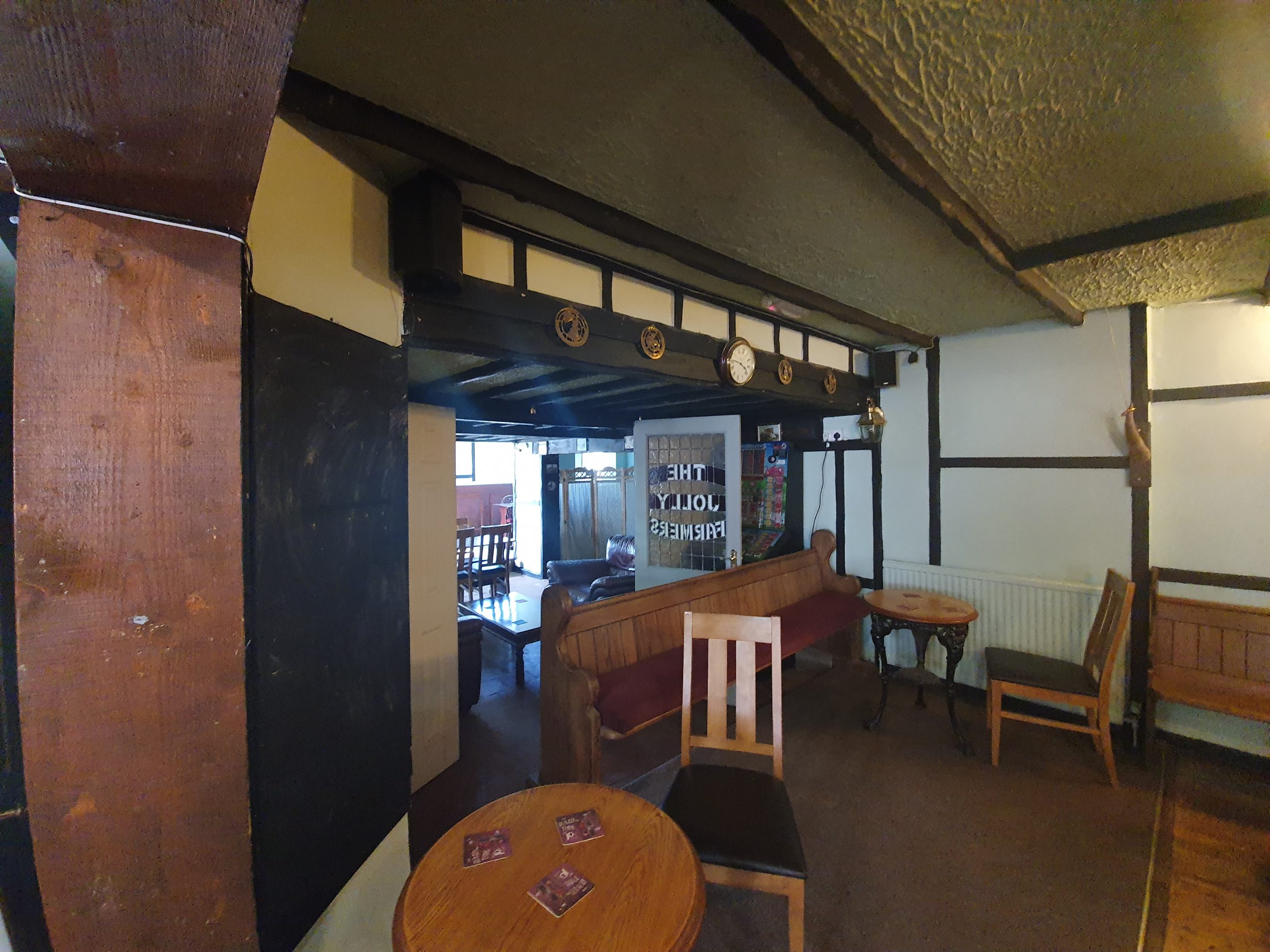
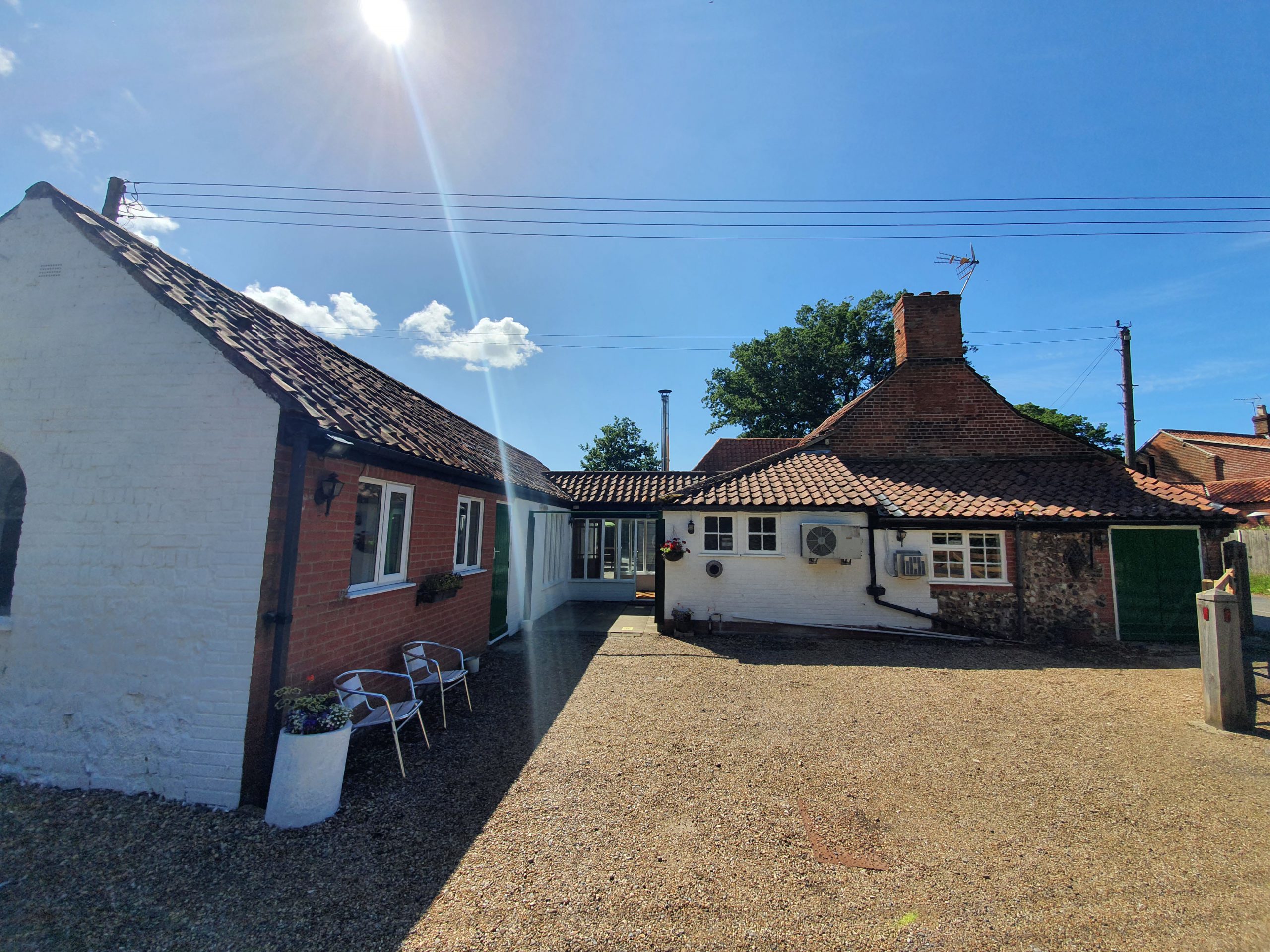
    After my successfully led (that’s what I thought anyway) LDWA walk, we were on the look-out for a pub to visit, so we thought about coming back to the Jolly Farmers which we had walked by earlier on during the day. Initially, the omens looked a little unhopeful as Google had marked the pub as permanently closed. Usually, we’d have looked to try somewhere else, but Whatpub said it had re-opened on 4 July 2020 and they’re pretty reliable. As an aside, I’ve marked the pub as re-open on Google, so it no longer says permanently closed.

    This has been a pub since at least the 1830s and for most of its life, it was one of two licensed premises in the village, but the Weavers Arms closed in 2003. There has been an effort to buy the Jolly Farmers for the community in recent years, in an attempt to ensure that it remains open.

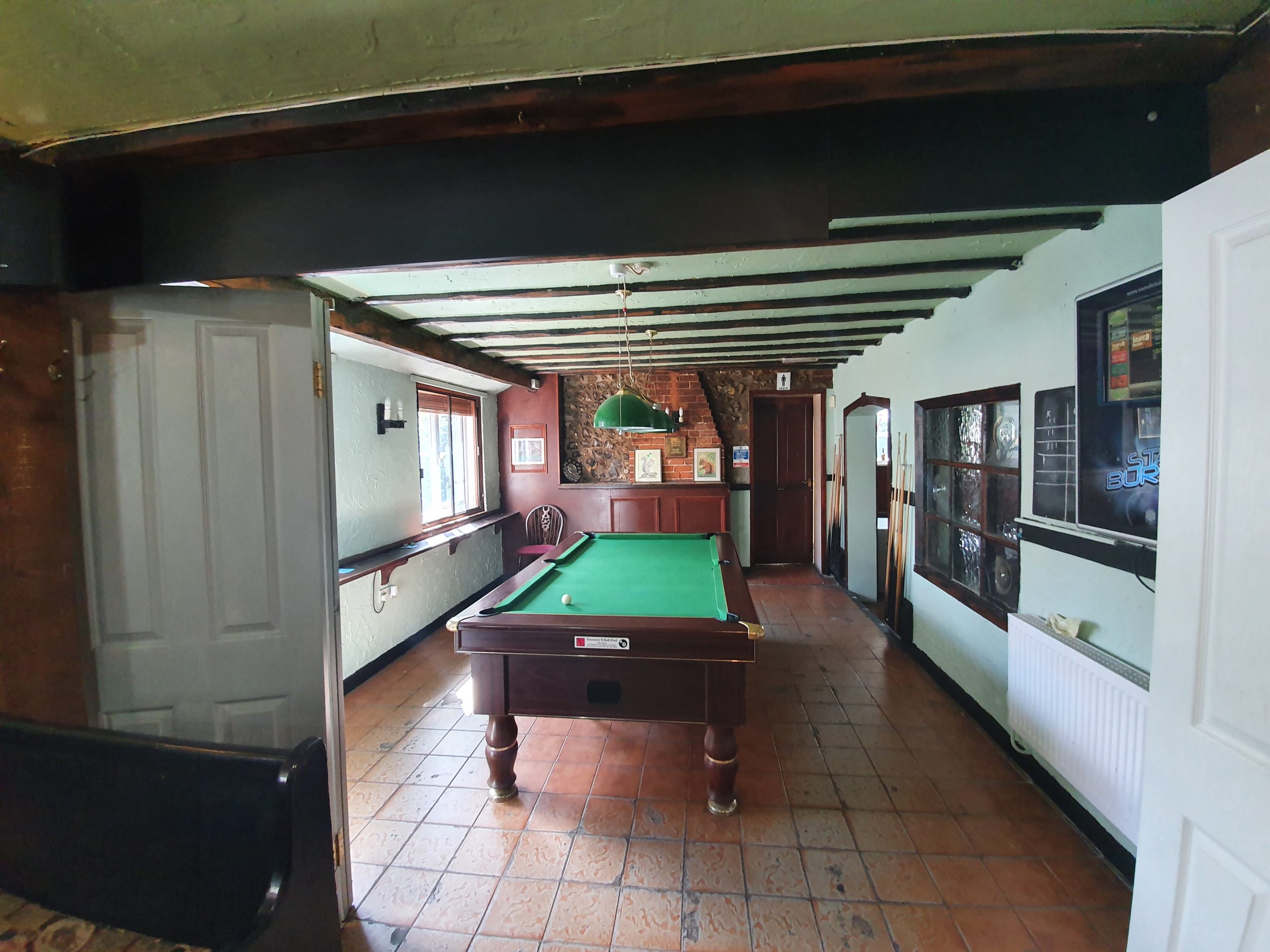
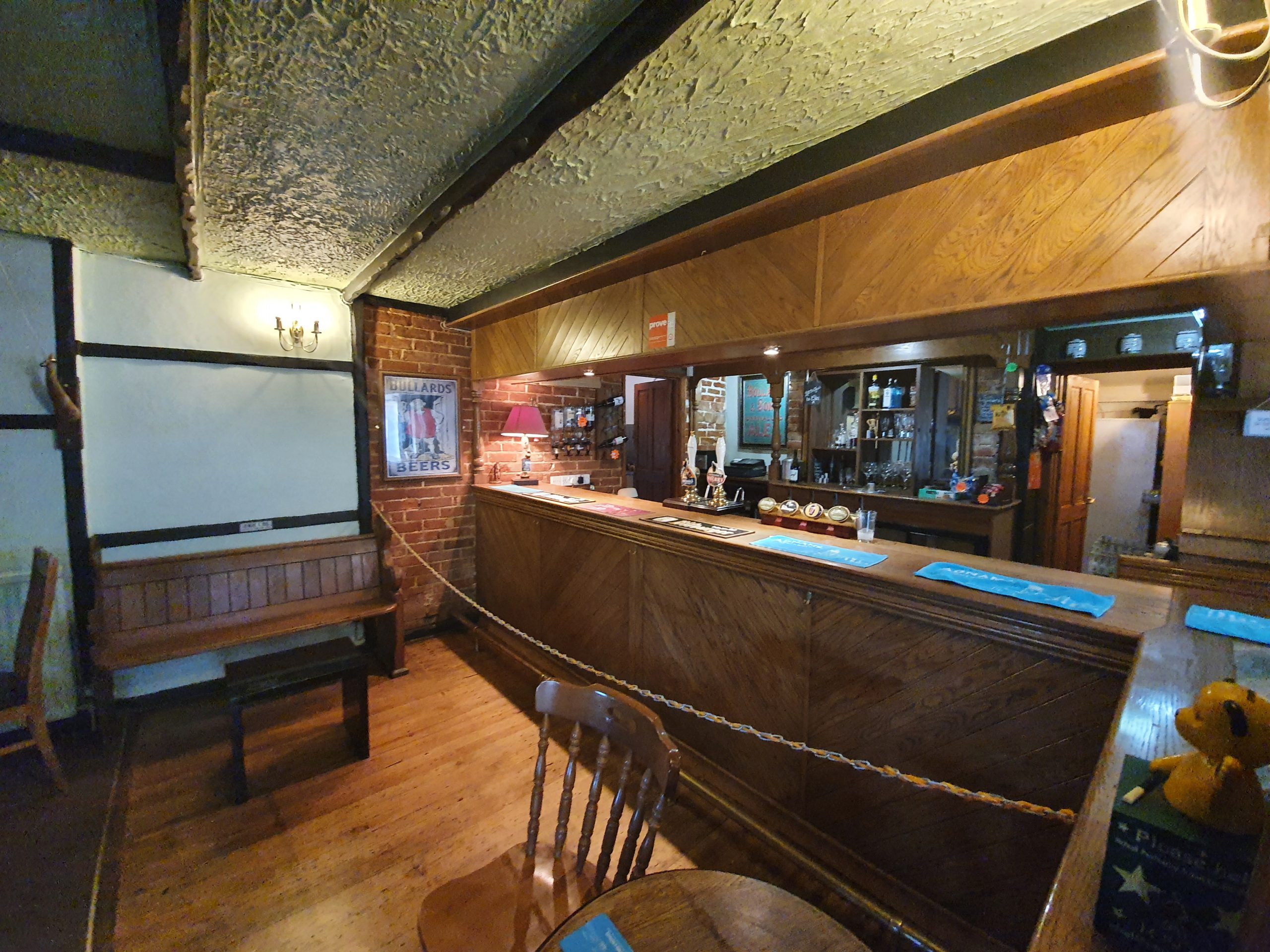
    The pub was very much open and had a handful of customers sitting outside. The bar was neatly roped off, with a friendly barman taking the orders. There were two real ales available, nothing particularly exciting, but all credit for having two well-kept ales in a village pub which were at the appropriate temperature (the beers were at the appropriate temperature, although the pub was too as it was pleasantly cool). It’s a perfectly acceptable selection given the circumstances, although the pub didn’t accept credit cards which makes it one of a dying breed.

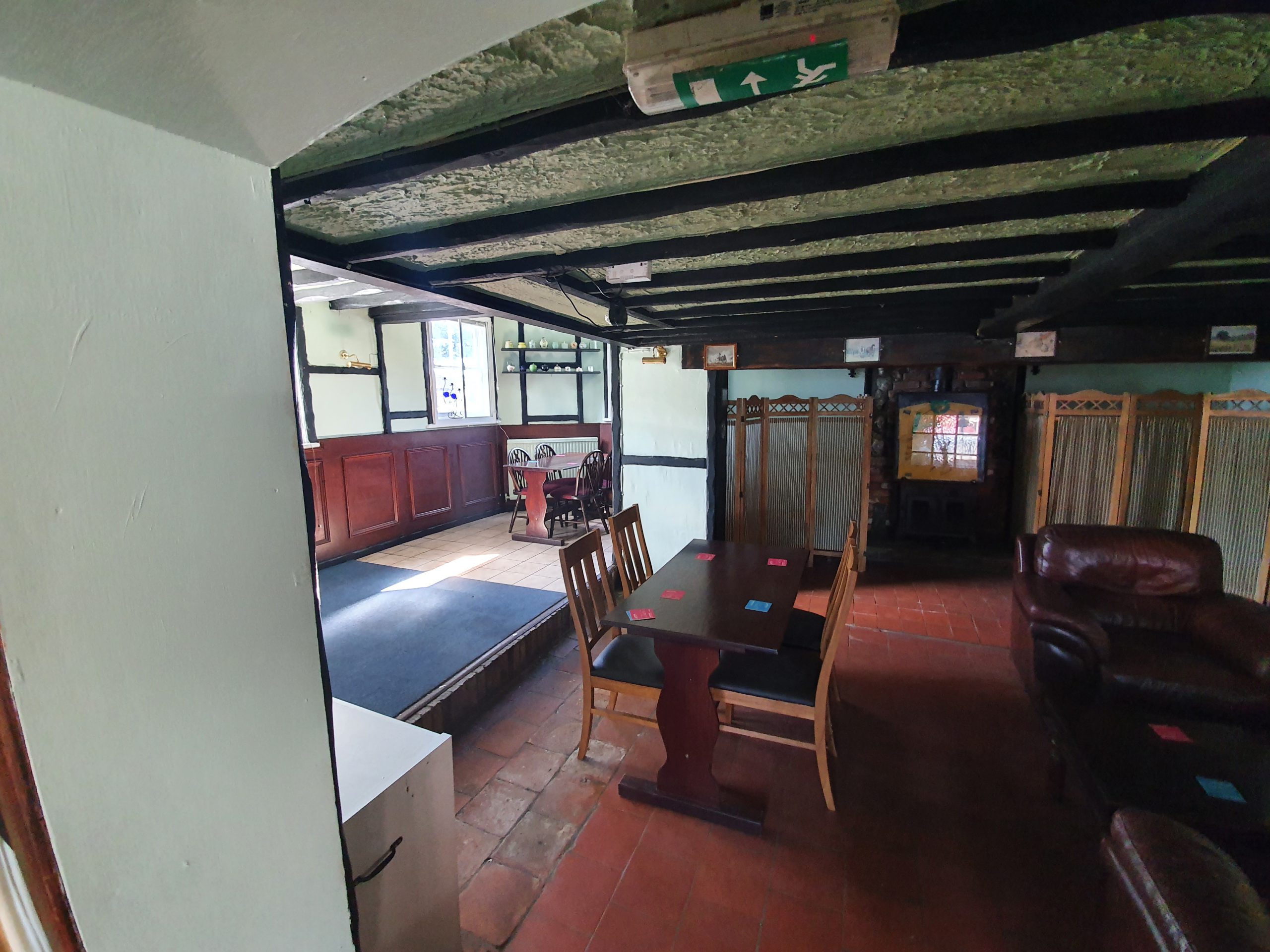
    I had forgotten how spacious the pub actually was, with another dining room as well, but since I only remember visiting once before, that is perhaps not entirely surprising. All clean and tidy, and I’m sure it’s quite atmospheric on a cold winter’s night when it’s a little busier.

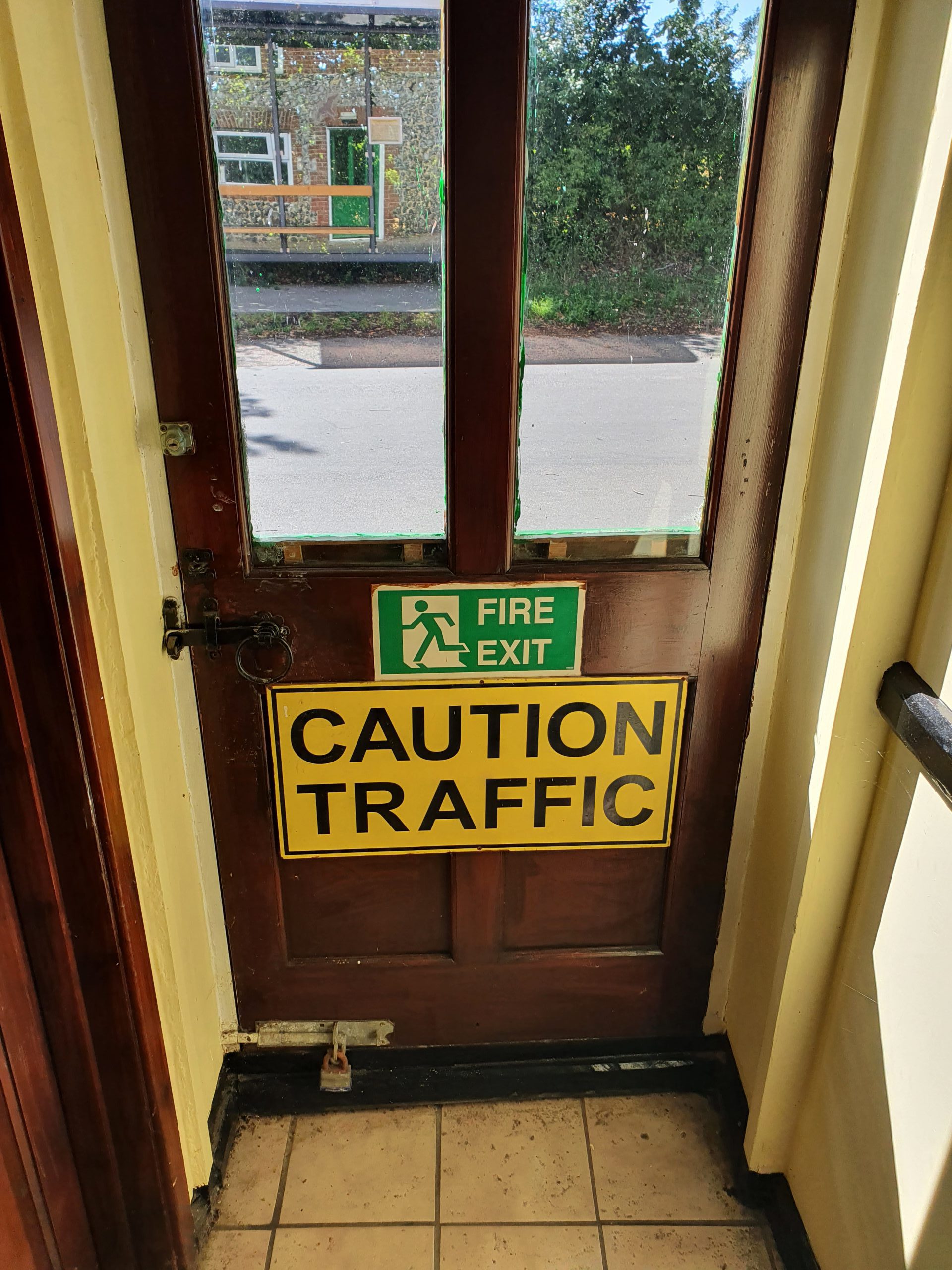
    This is not the most conveniently of placed doors, as you could walk out onto a car, but it’s clearly marked.

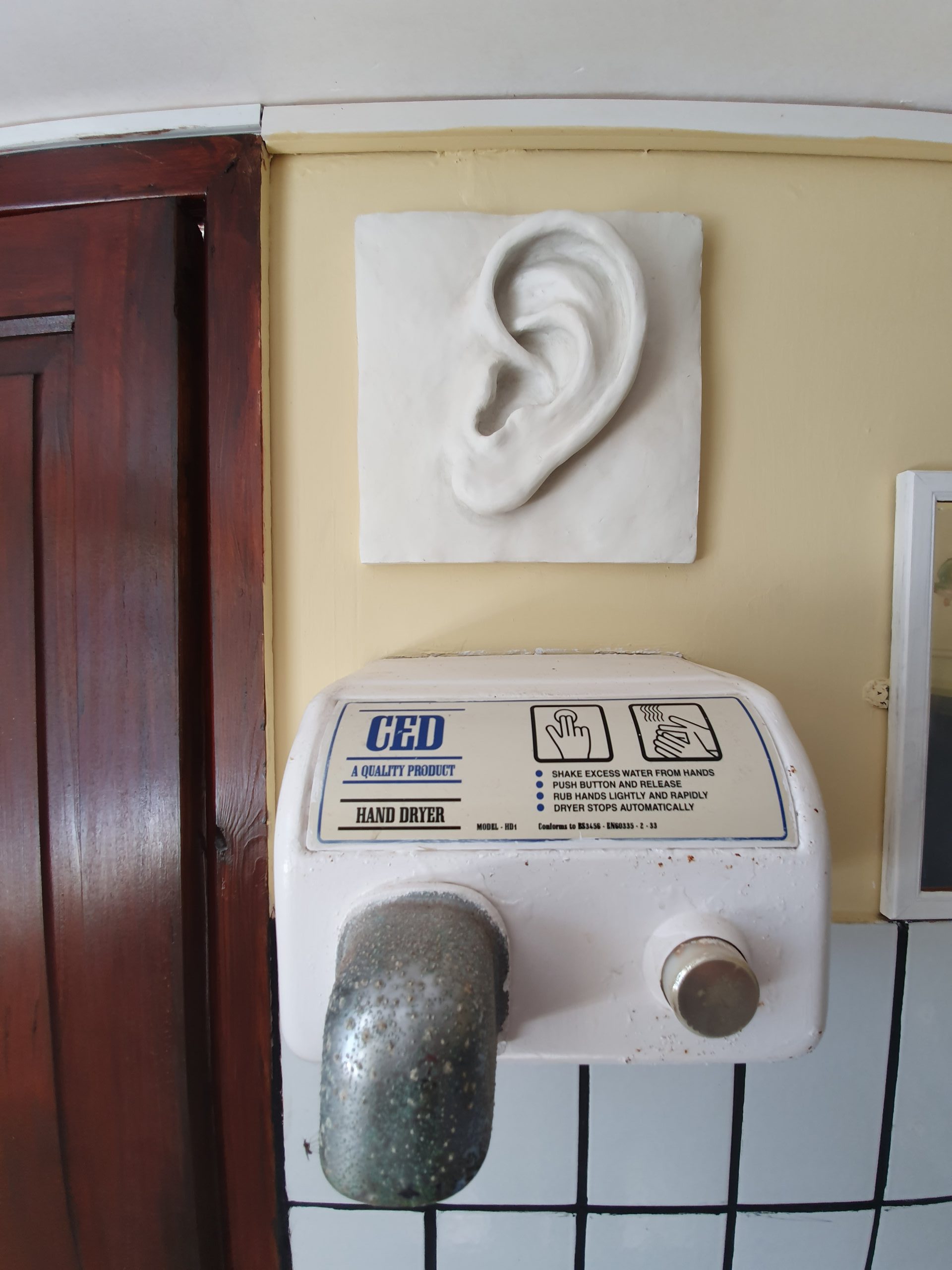
    I have no idea about the ear, but the hand-dryer appeared to be from about 1960.

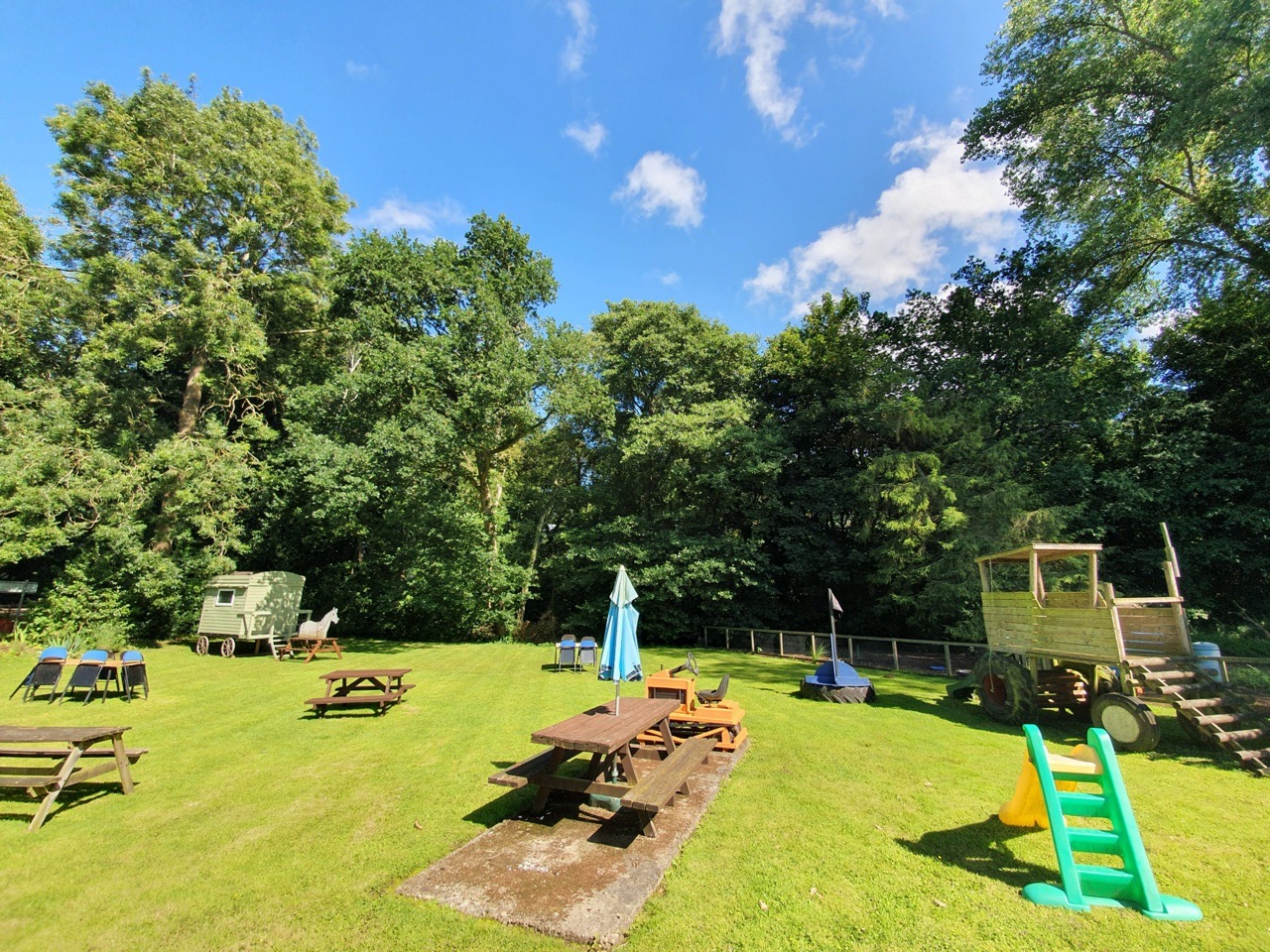
    And a real effort has been made with the beer garden, which is spacious and well maintained.

    I like this pub, it’s one that could have easily been lost over the years and closure has perhaps been an option on a few occasions. It would be far too easy for this to become a residential property, and a decent one at that with plenty of space, but it’s a useful community asset for Swanton Abbott to have. Real ale, friendly service and a clean environment, all rather lovely. The pub probably needs to do much more with social media though, they nearly lost our trade if it hadn’t of been for Whatpub, I can’t imagine that they have sufficient trade to be able to ignore their on-line presence entirely.

  • Swanton Abbott – St. Michael’s Church

    Swanton Abbott – St. Michael’s Church

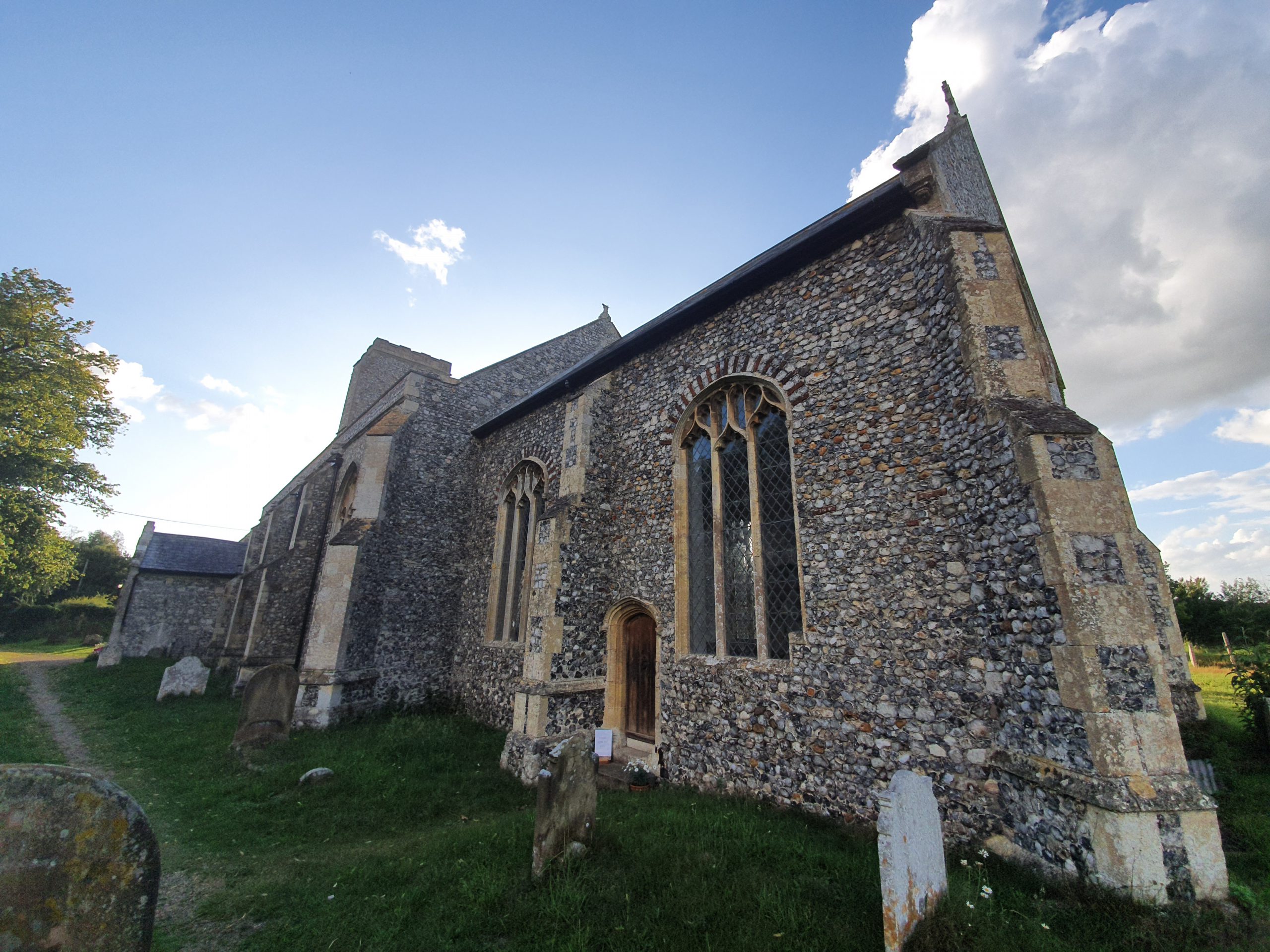
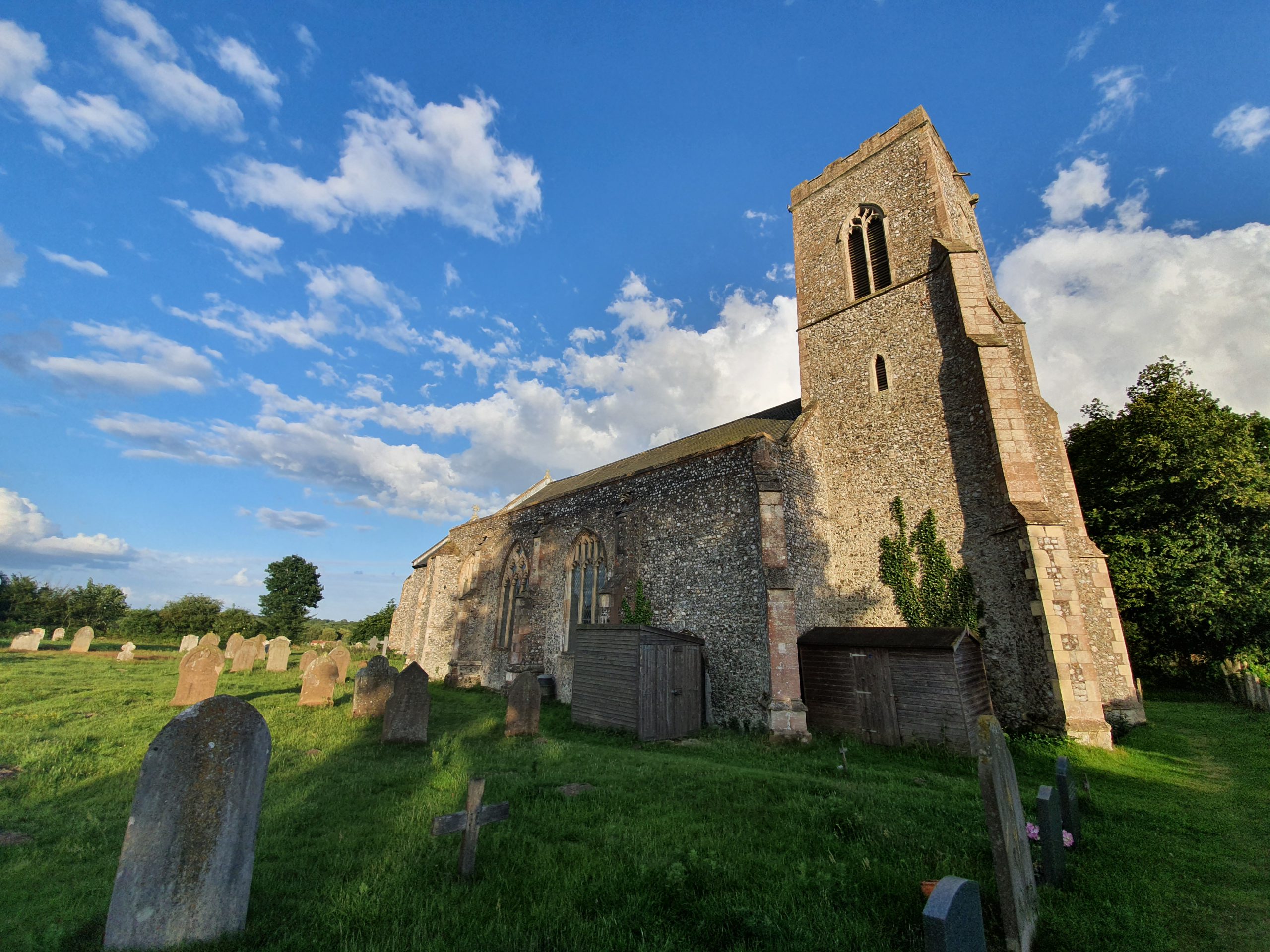
    St. Michael’s Church is strangely detached from the rest of the village, but on this occasion, it’s unlikely that the settlement has moved much, rather the church is on a slightly elevated hill platform.

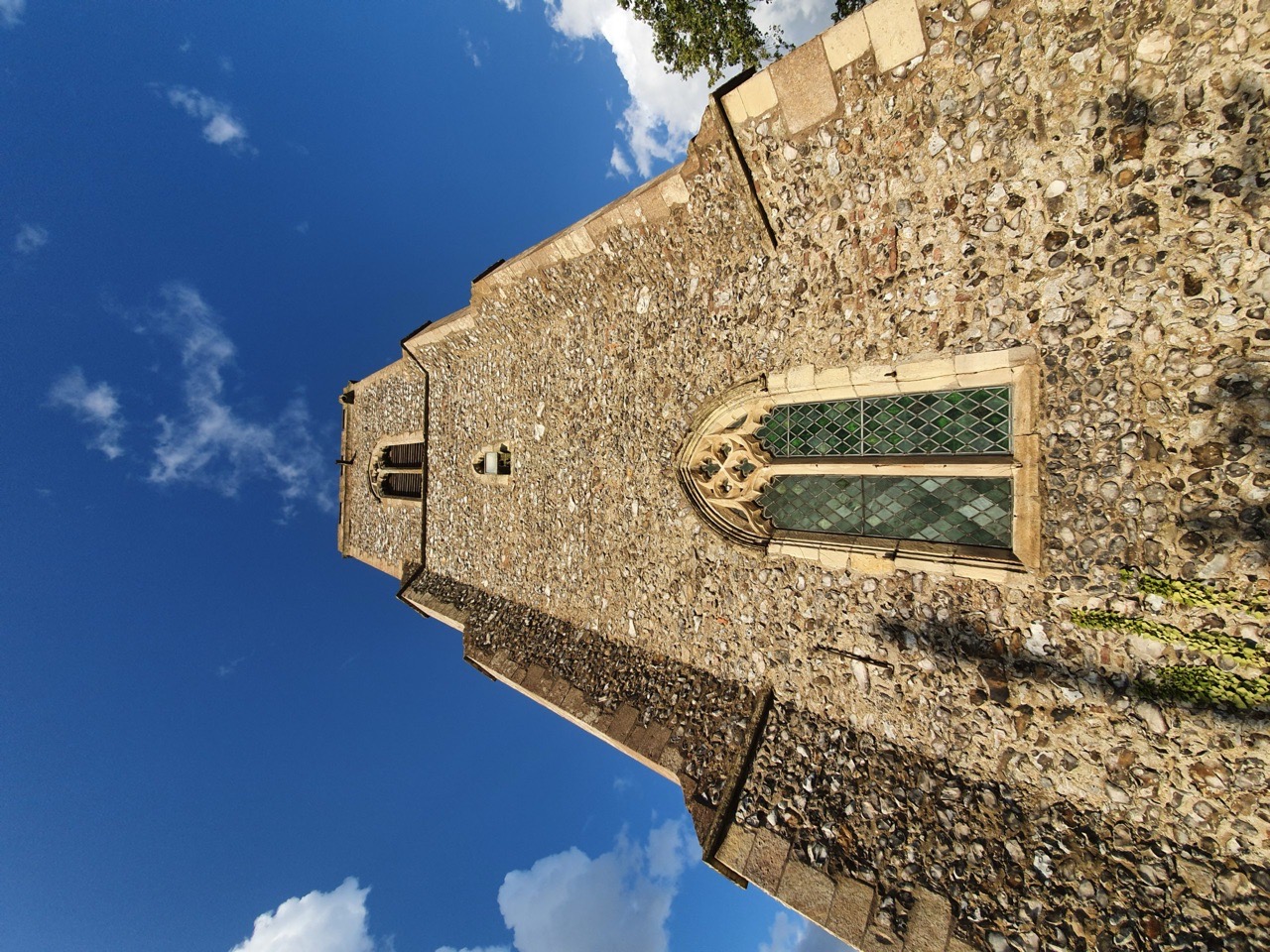
    The tower, which dates from the early part fourteenth century, is the earliest section of the current church, with the nave being added later on during the fourteenth century and the chancel was constructed in the fifteenth century. There was though likely a Saxon church that existed on the site before work started on the current building.

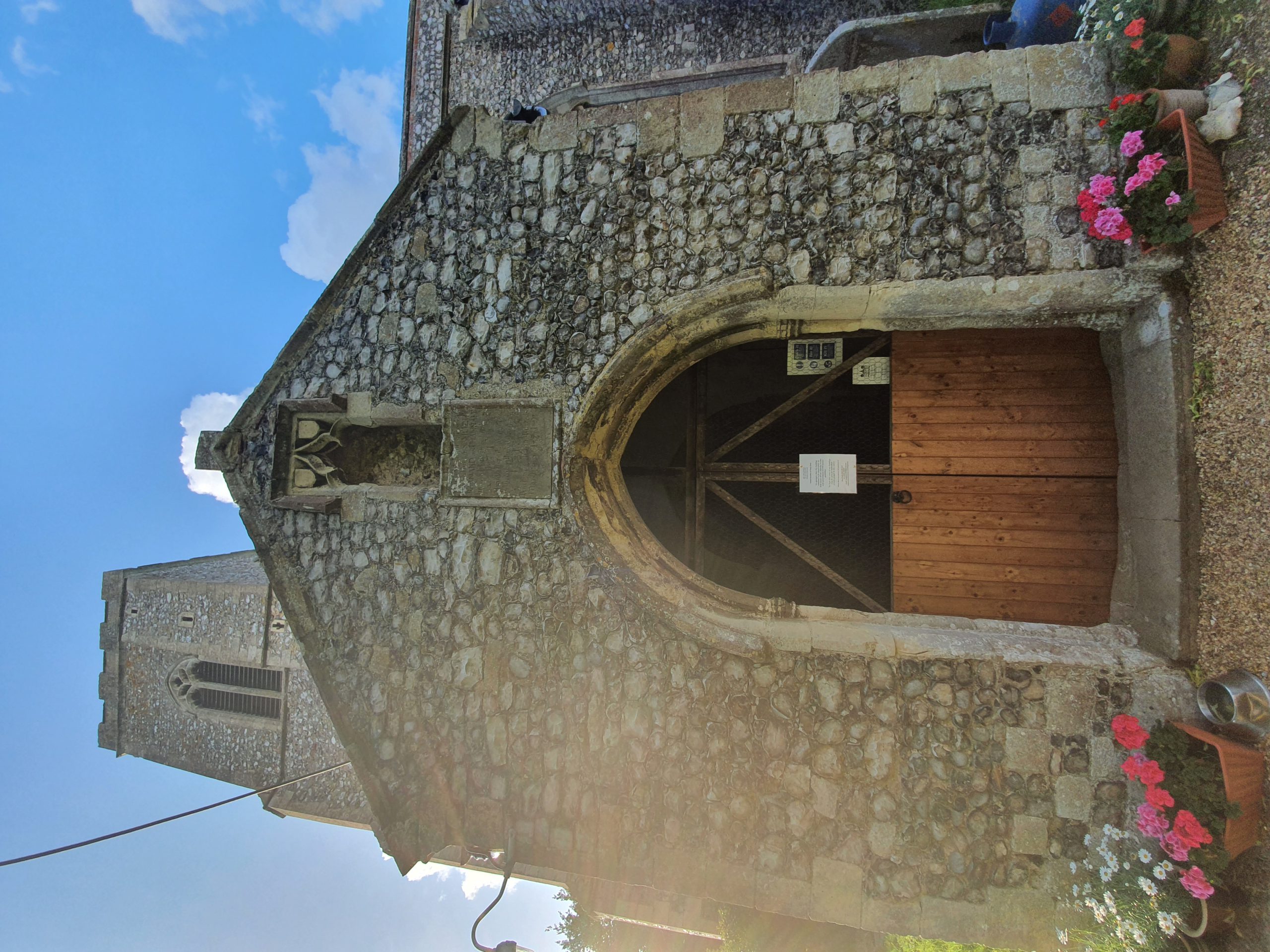
    The porch was added in the fifteenth century, with the more modern set-up unfortunately masking the medieval wooden door.

    The south side of the church, with the priest’s door visible between the two windows. The church has received a grant in recent months from the Norfolk Churches Trust which will allow for some repairs to the guttering and also work to remove a flock of pigeons that has been causing issues in the tower.

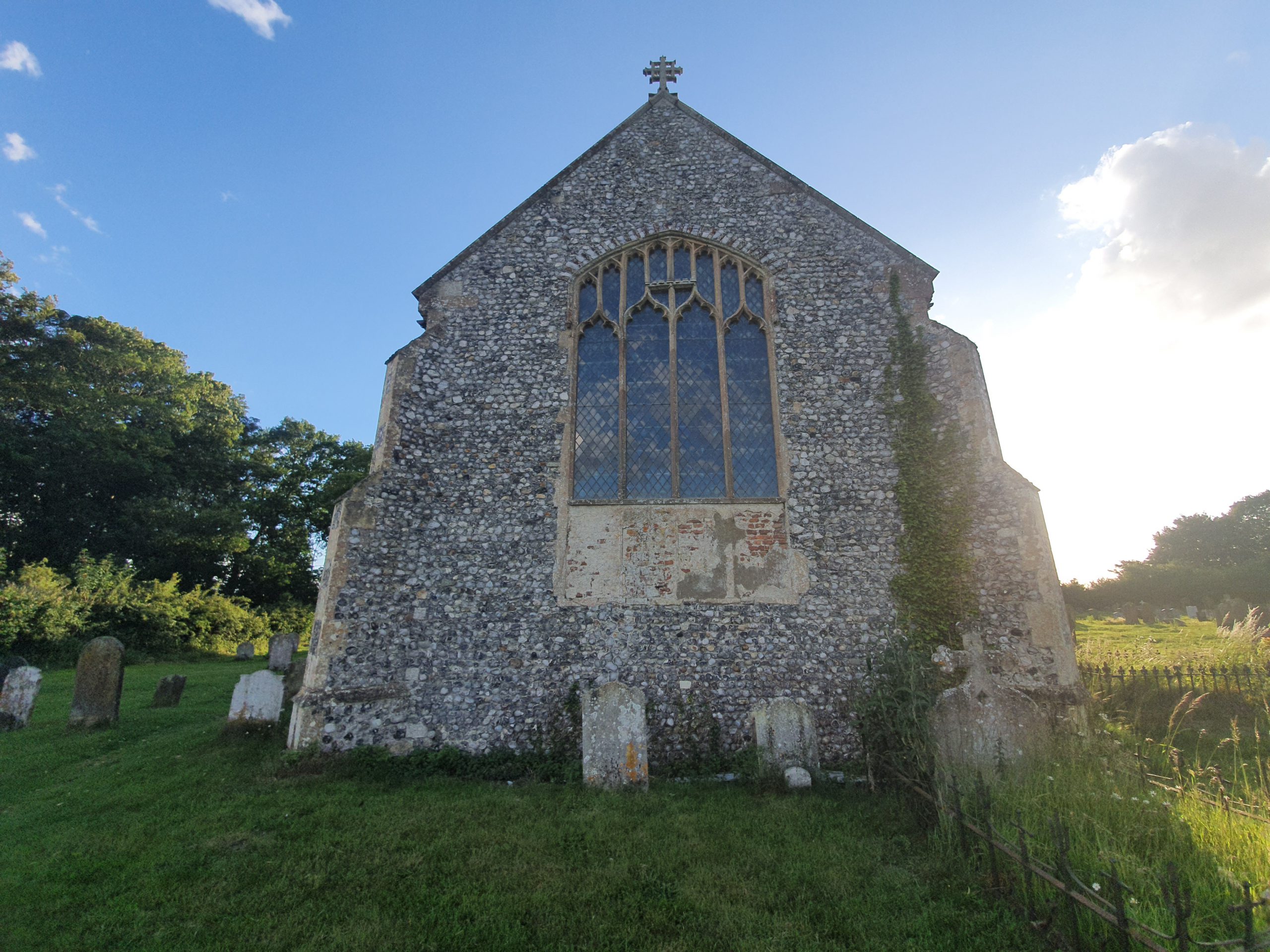
    I’m unsure why the east window has been partly bricked-up, I assume it was for structural reasons.

    I’ll return to the church at some point when it’s likely to be open (I’ve been able to do that), with the interior being of note, as there’s a mauled about rood screen which was heavily, and badly, restored at the beginning of the twentieth century which is worth seeing. The pulpit has some medieval carving work to it, there’s fifteenth-century stained glass and the font is of a similar age, all along with numerous memorials of interest.

  • Swanton Abbott – Name Origin

    Swanton Abbott – Name Origin

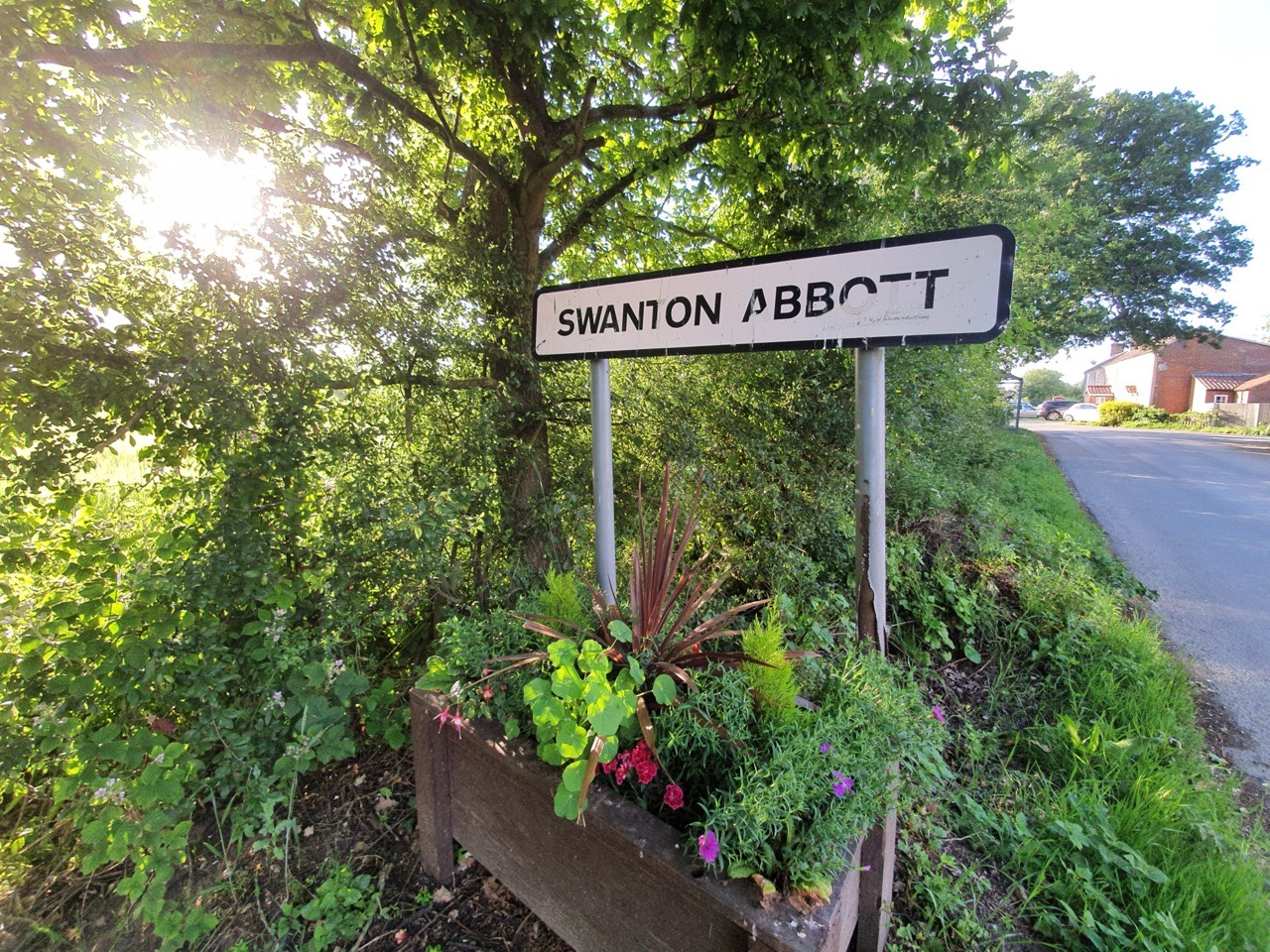
    Back to The Concise Oxford Dictionary Of English Placenames to look up the origins of the village name Swanton Abbott. There has been some variance on spelling this village name, some spell it as Swanton Abbot, but I’m in favour of the Swanton Abbott spelling as is on the signs.

    Swanton Abbott, Norfolk. Swaneton in 1044, Suanetuna in Domesday Book, Abbot Swanton in 1451. Old English for Tun of the (swine) herds. Swanton Abbott belonged to Holme Abbey.

    ‘Tun’ is a farm or village, so it’s the farm or village of the swine herds, which explains the Swanton bit, and Abbott is solely because of its religious owner.

  • Walking – Swanton Abbott and Lamas

    Walking – Swanton Abbott and Lamas

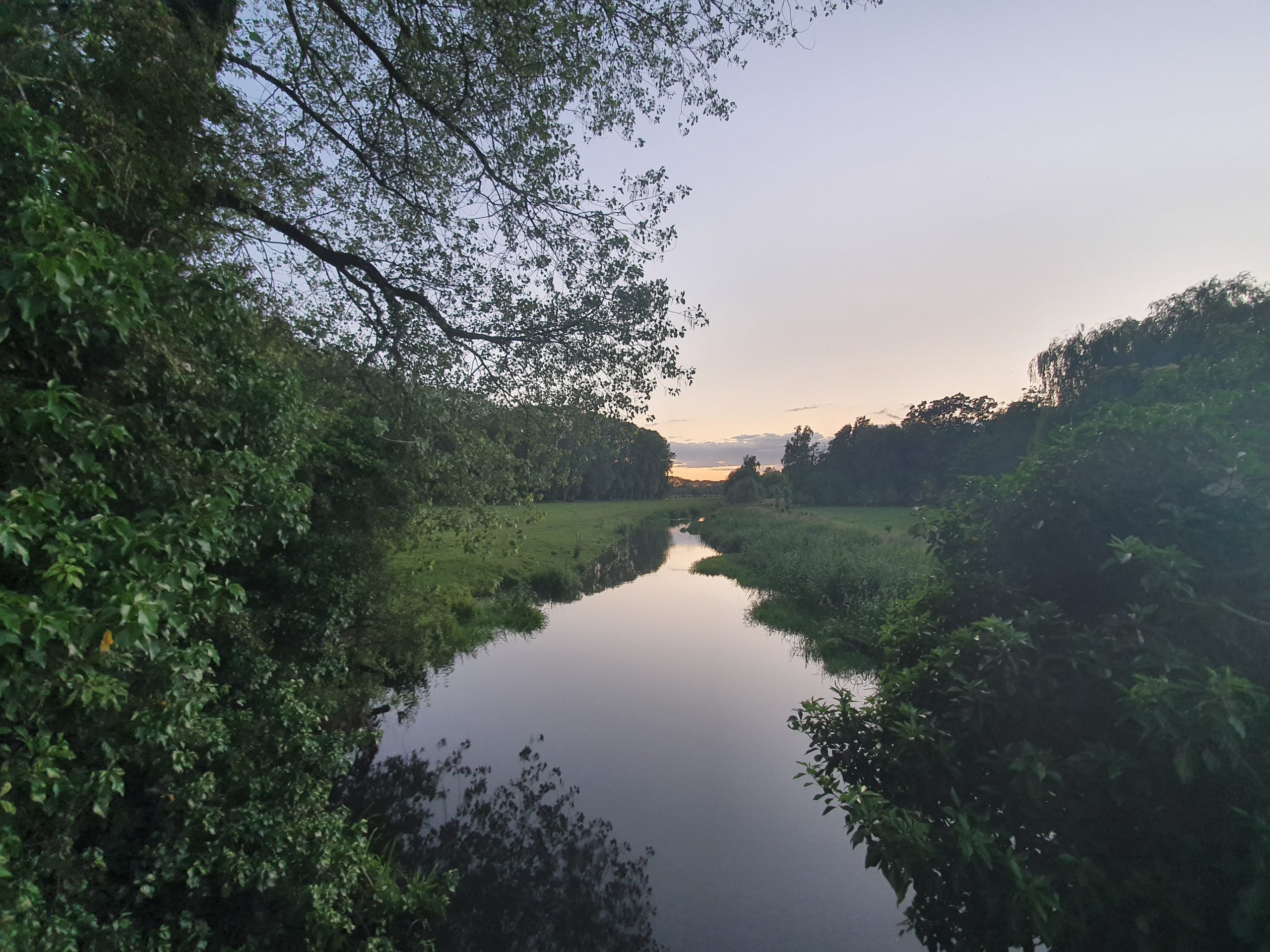
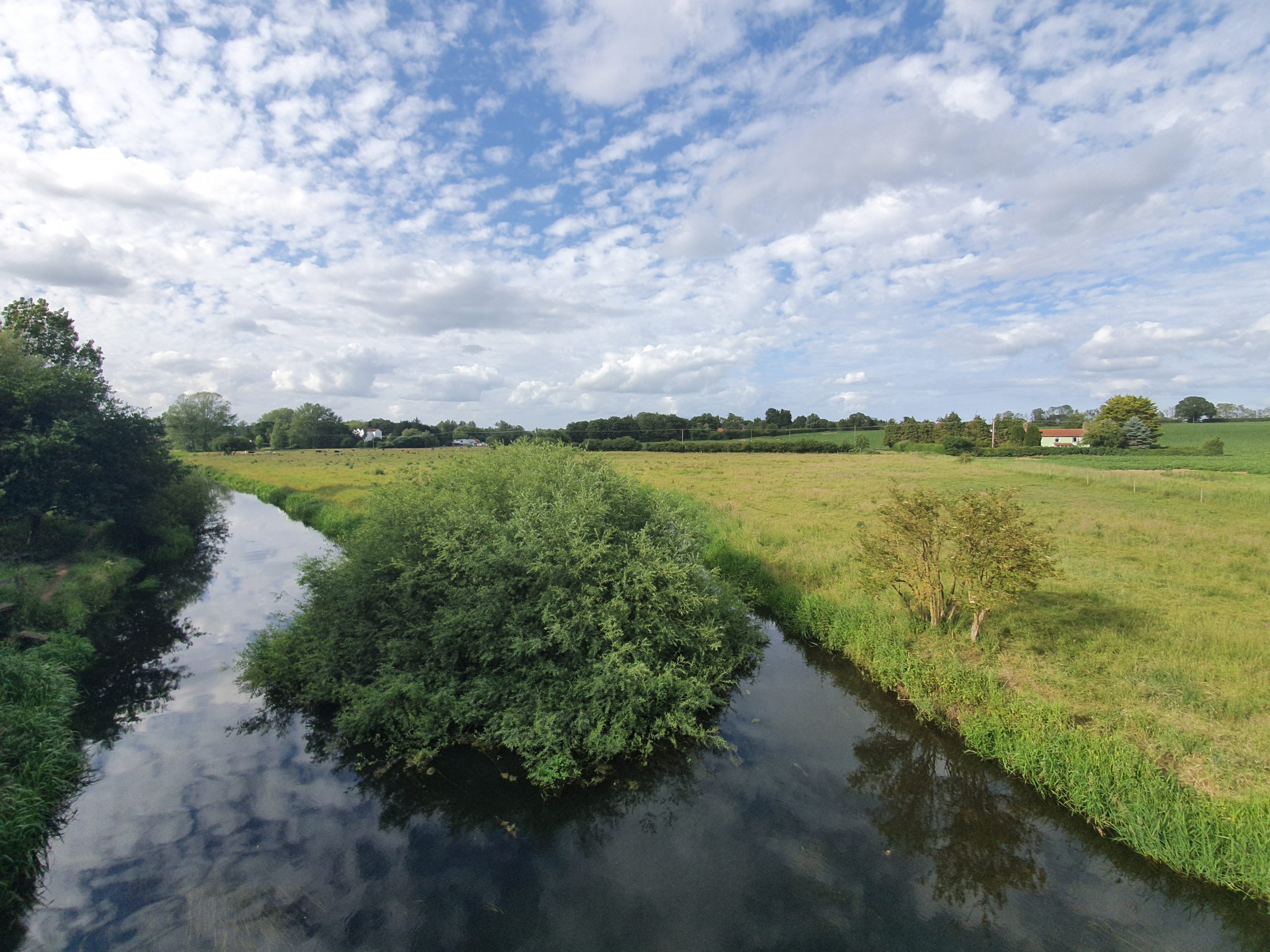
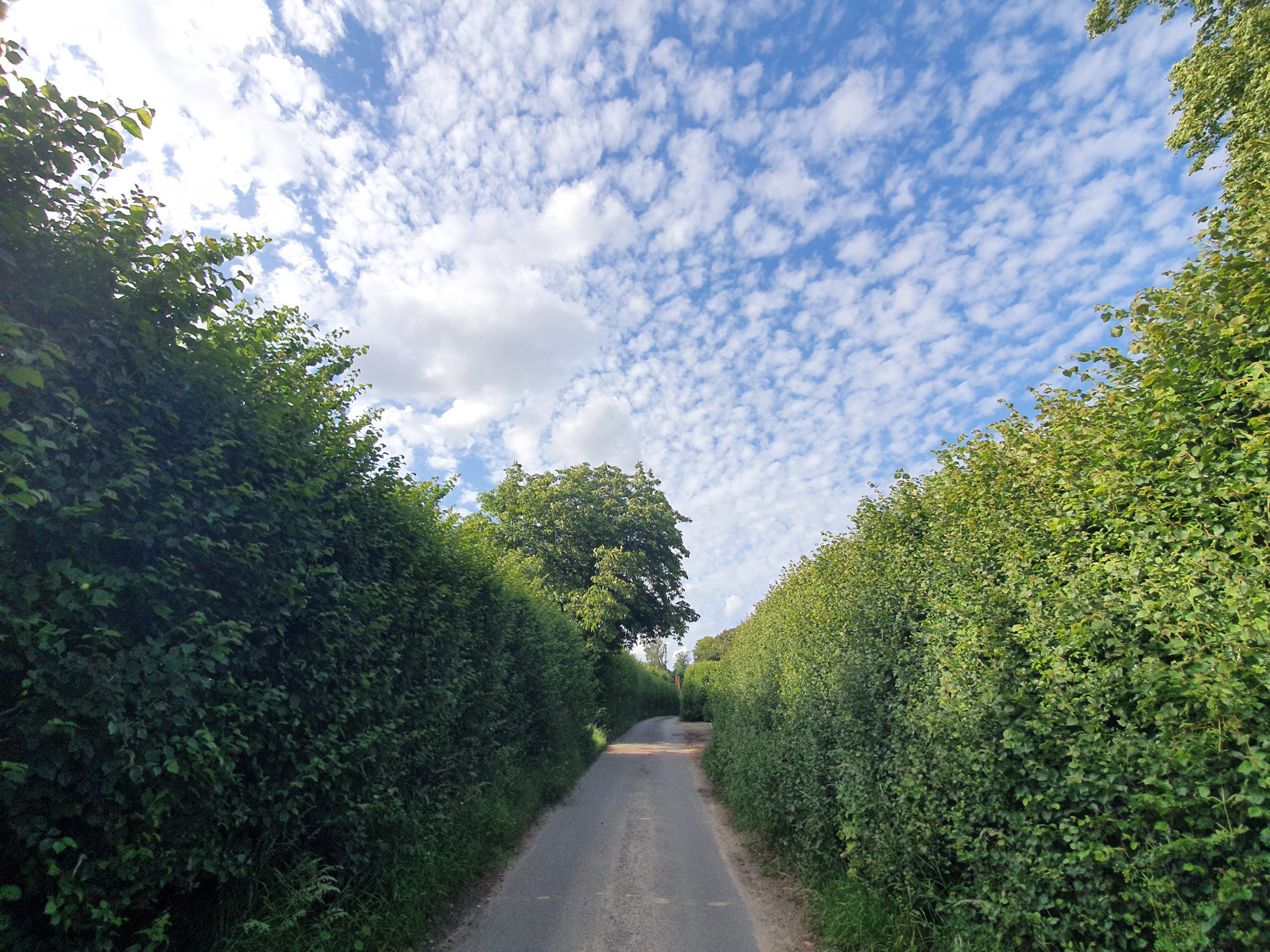
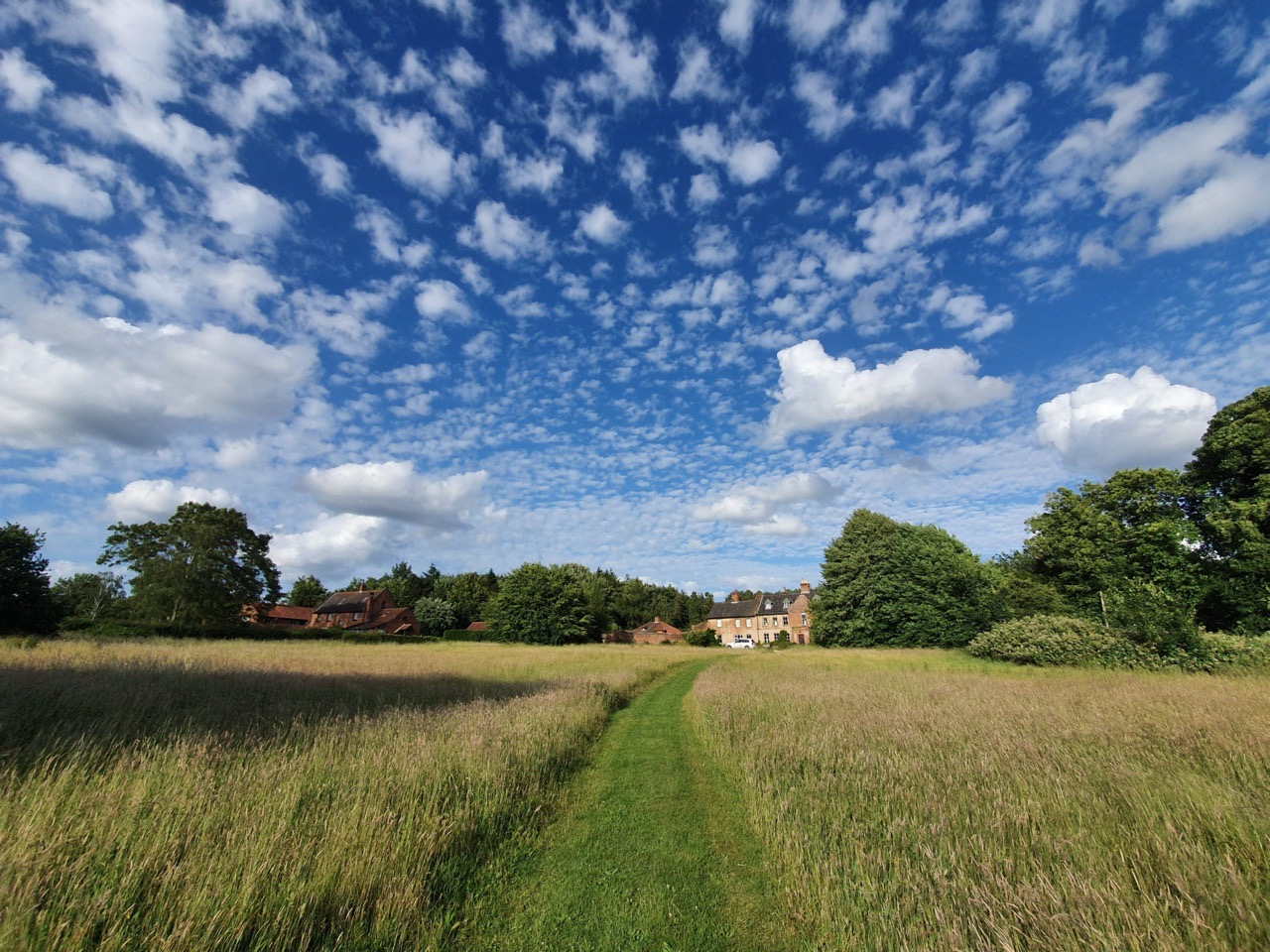
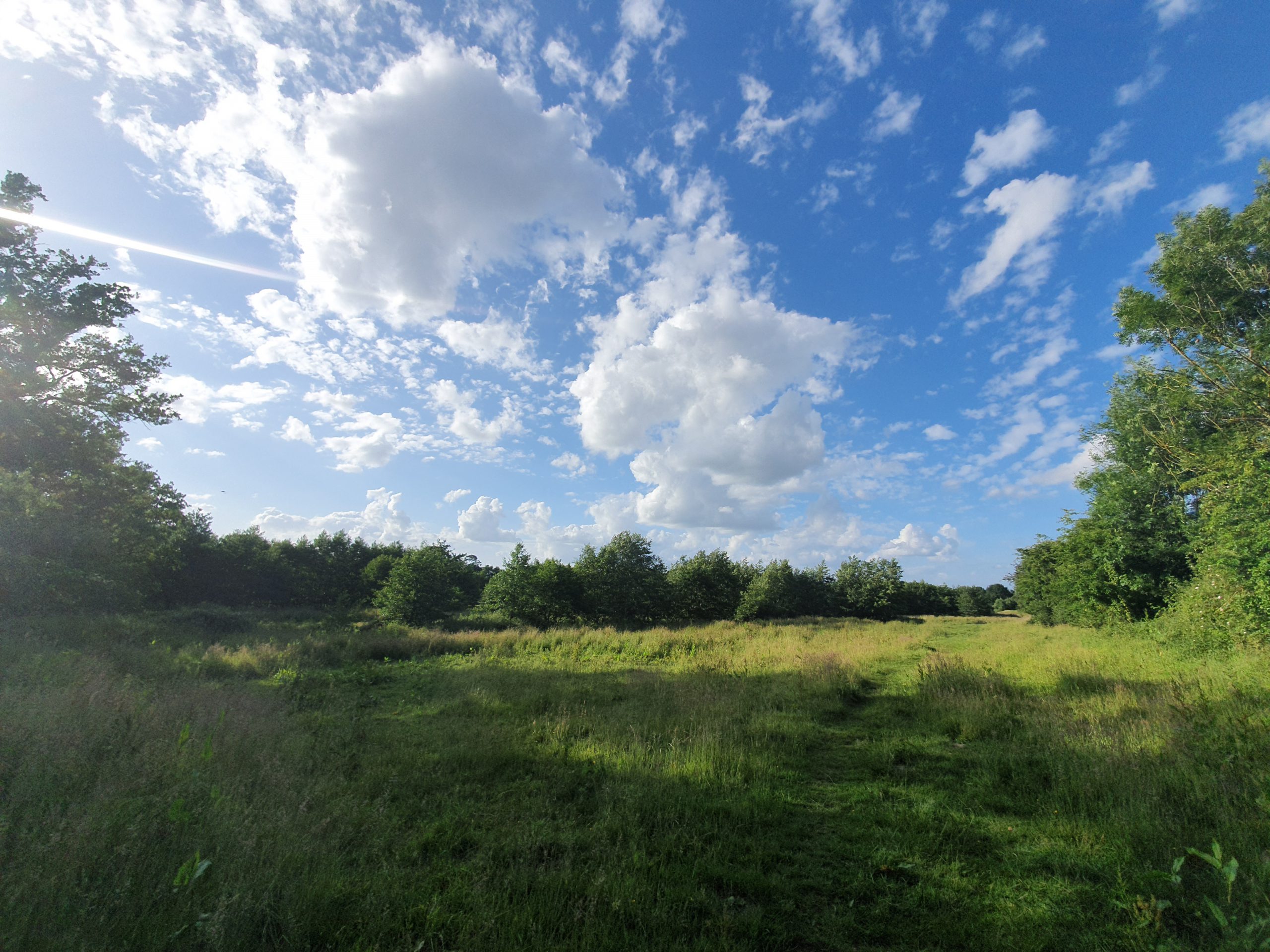
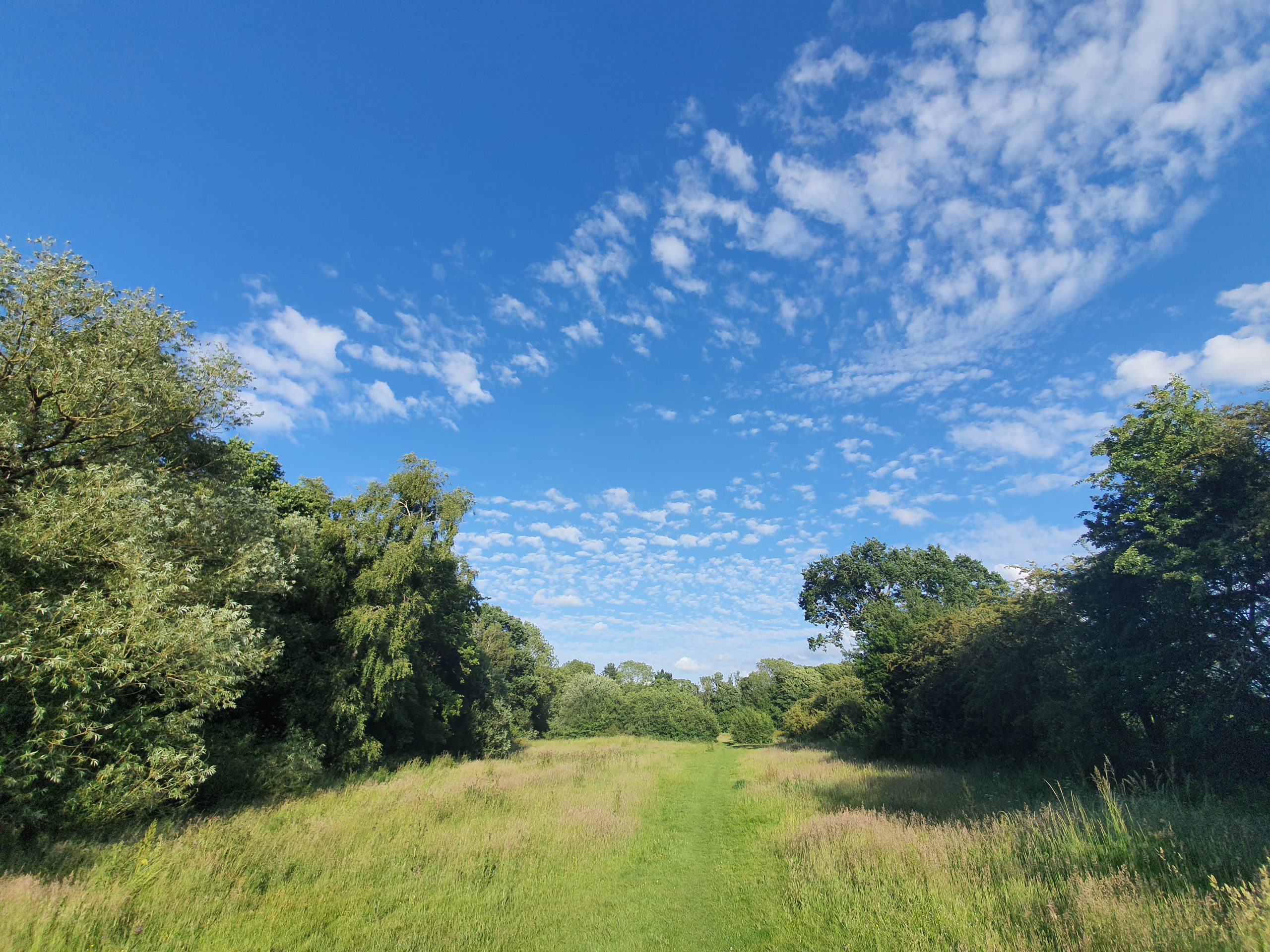
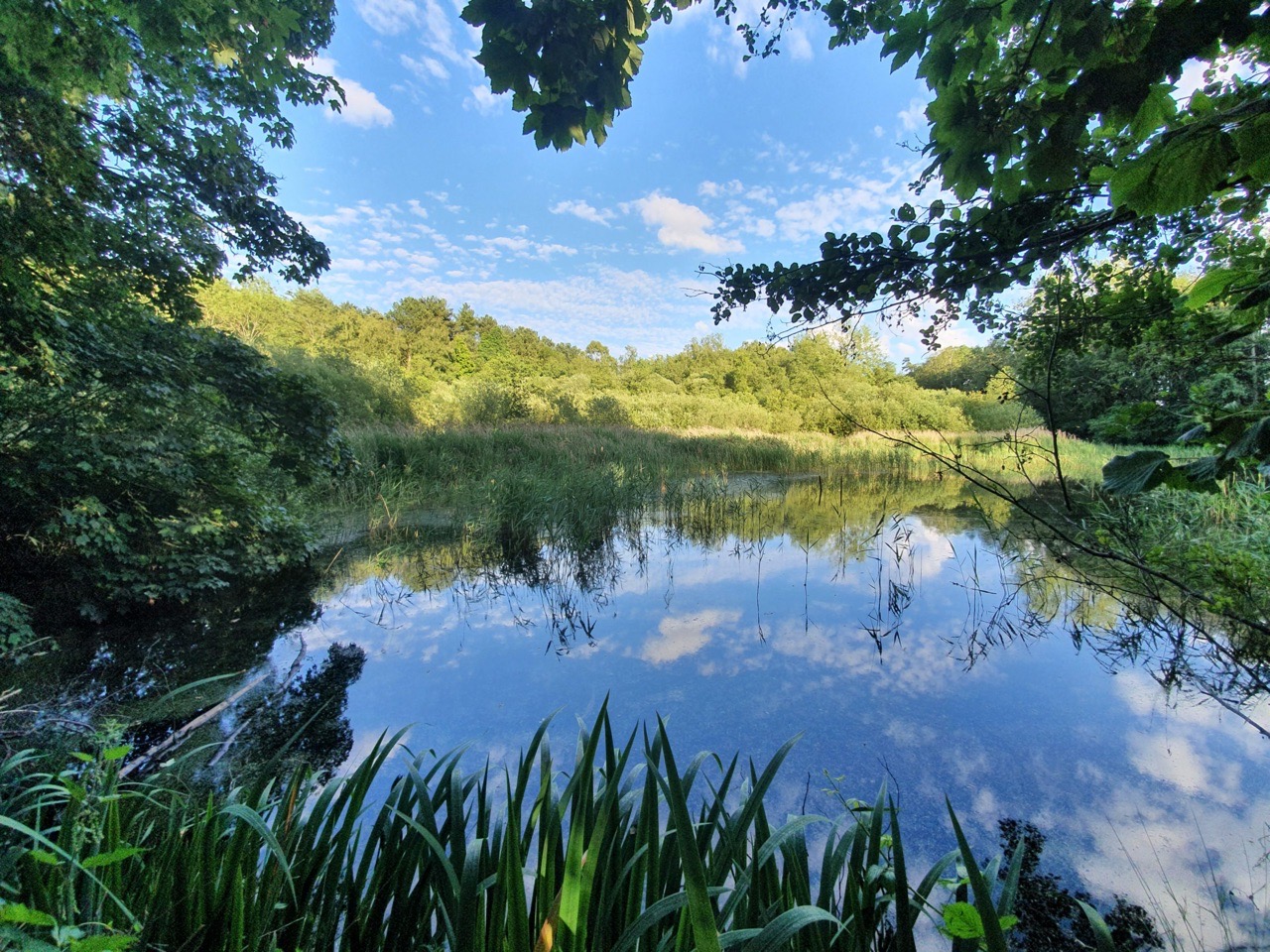
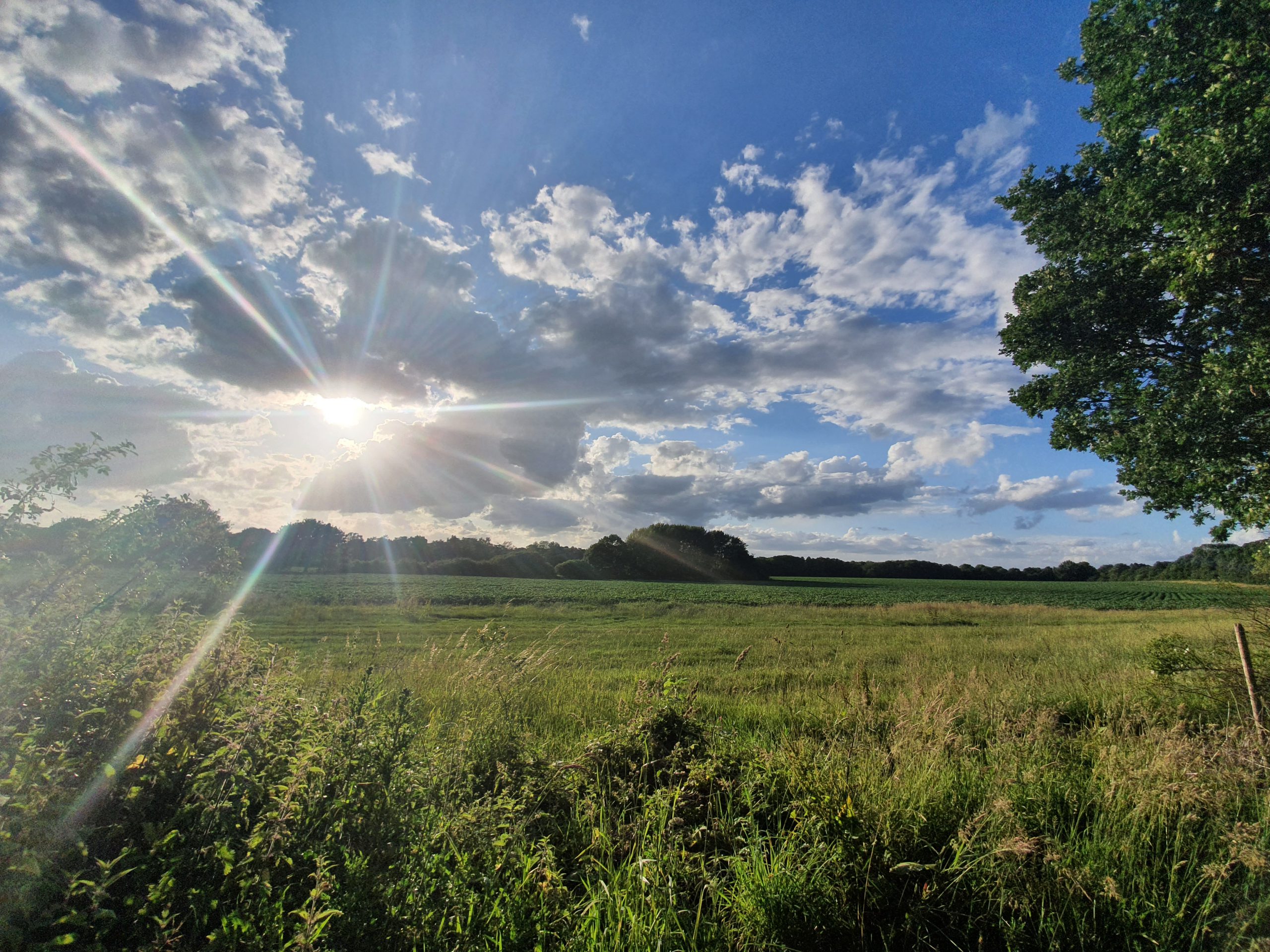
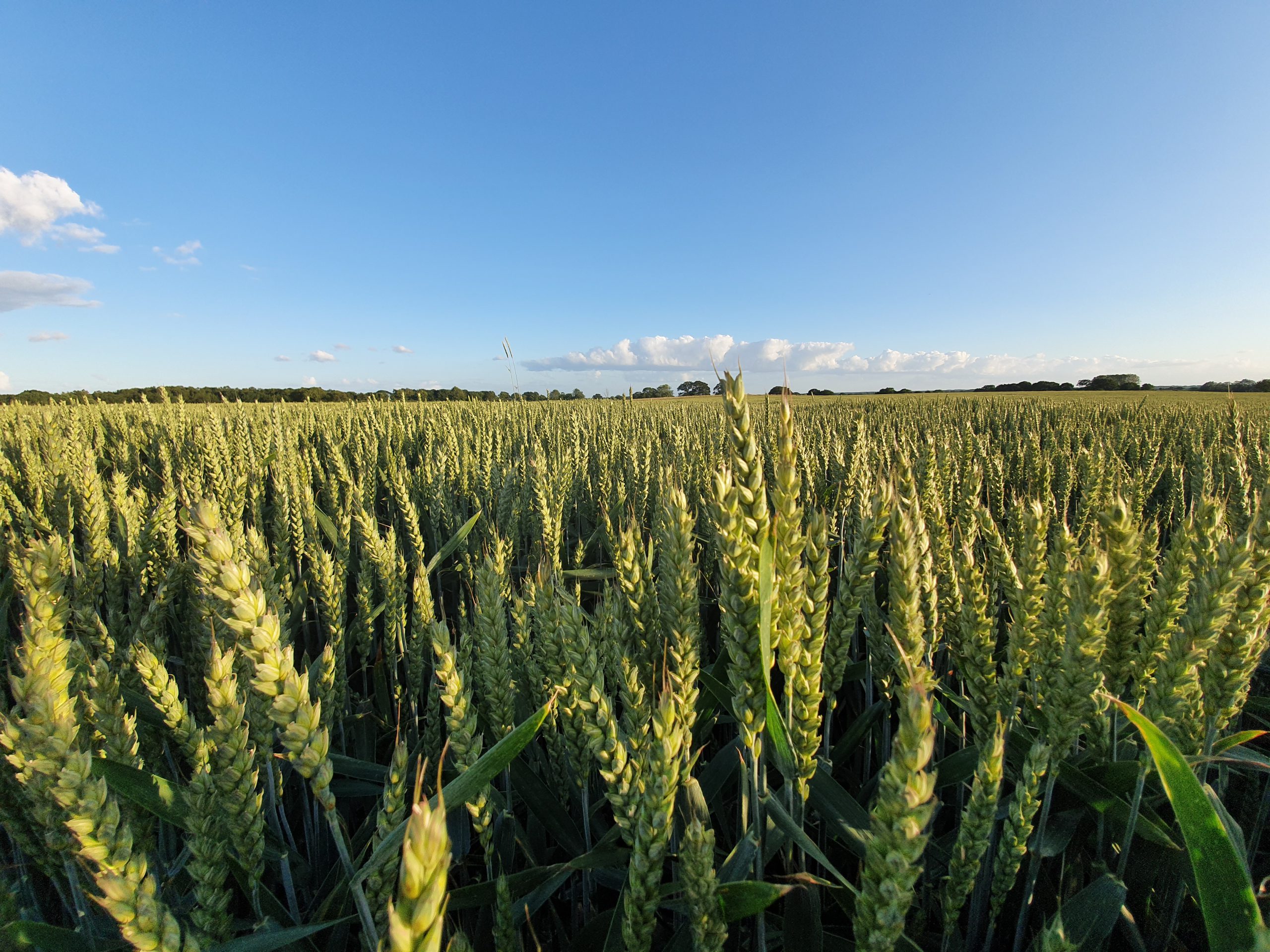
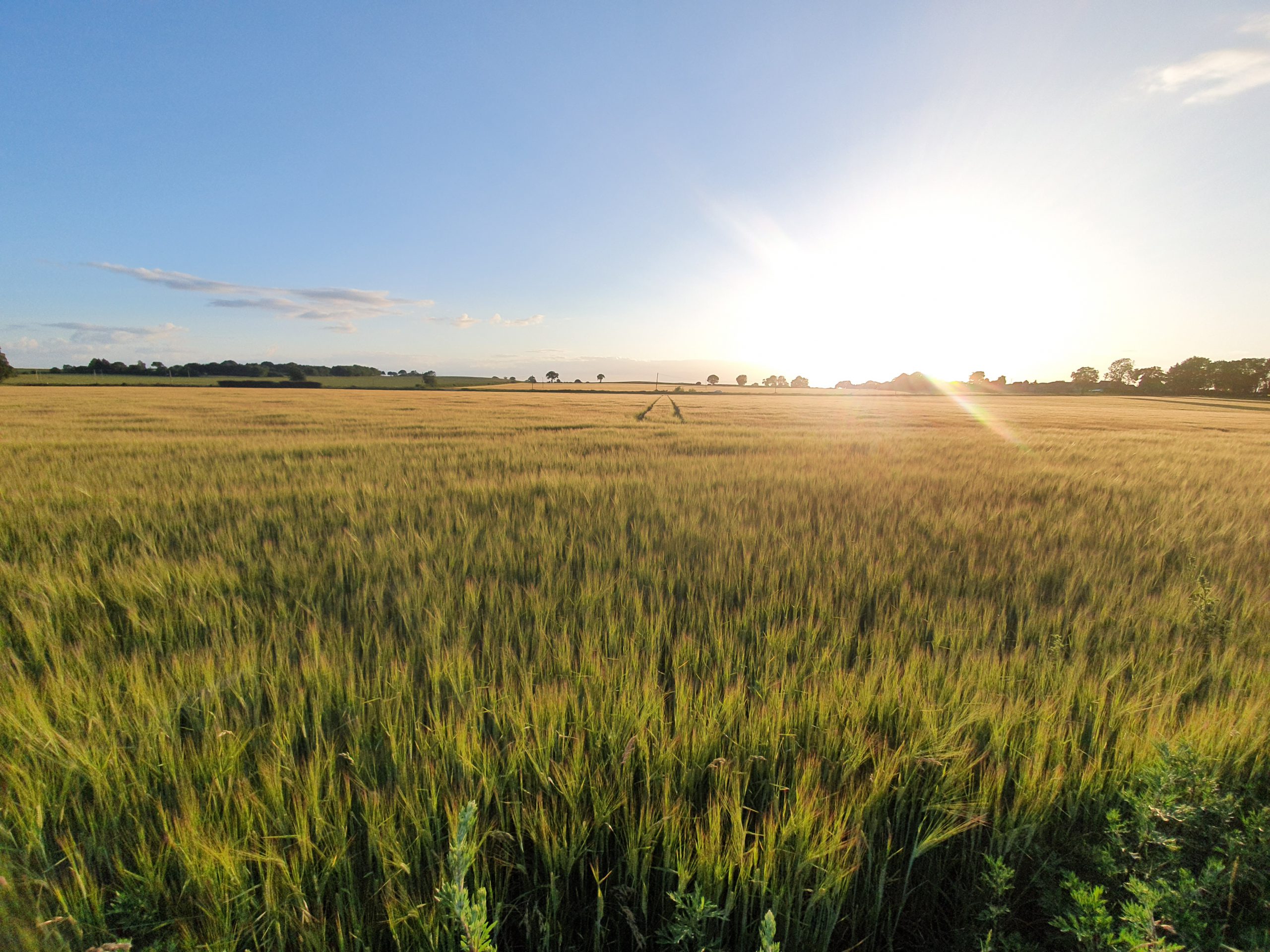
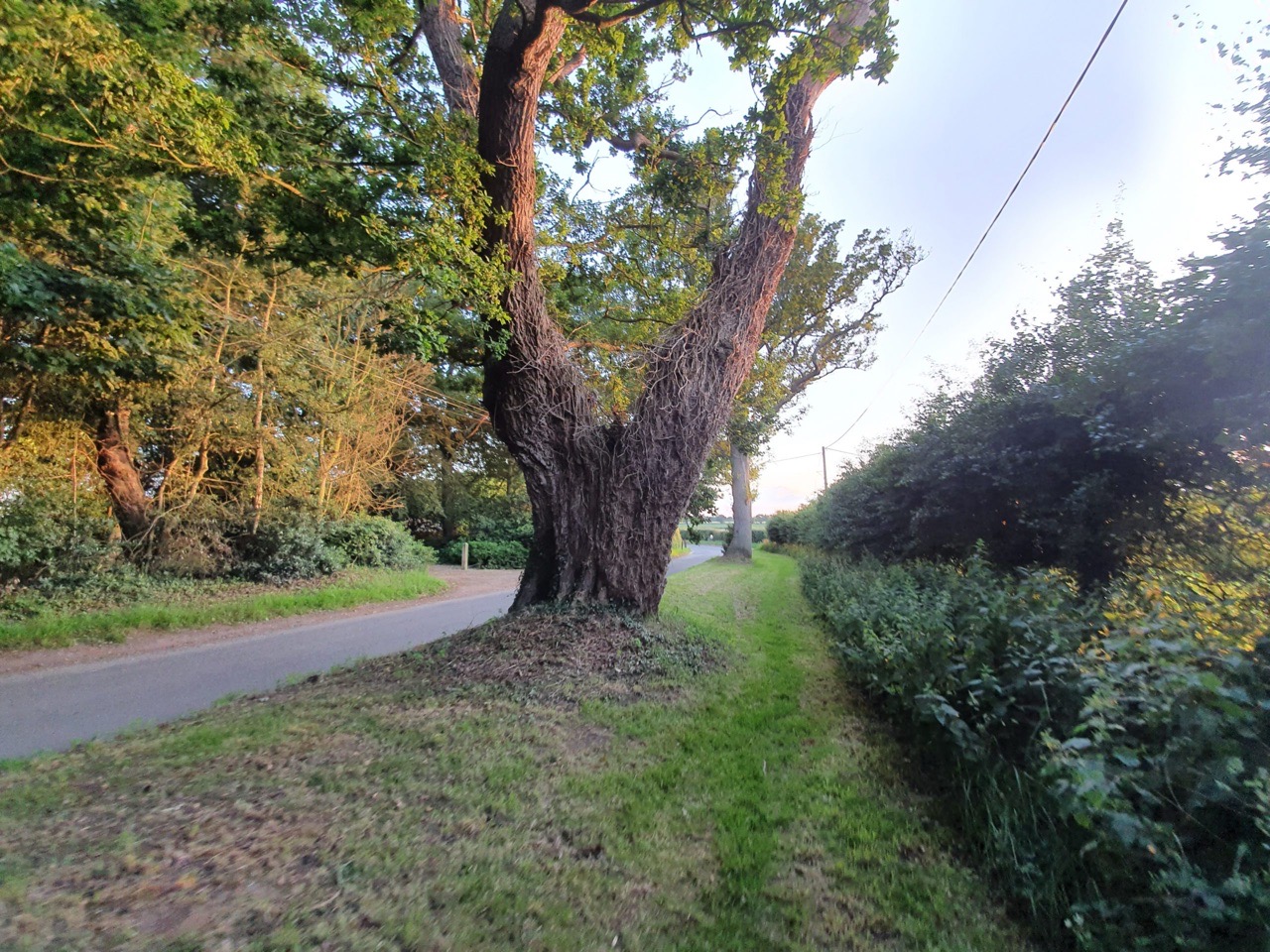
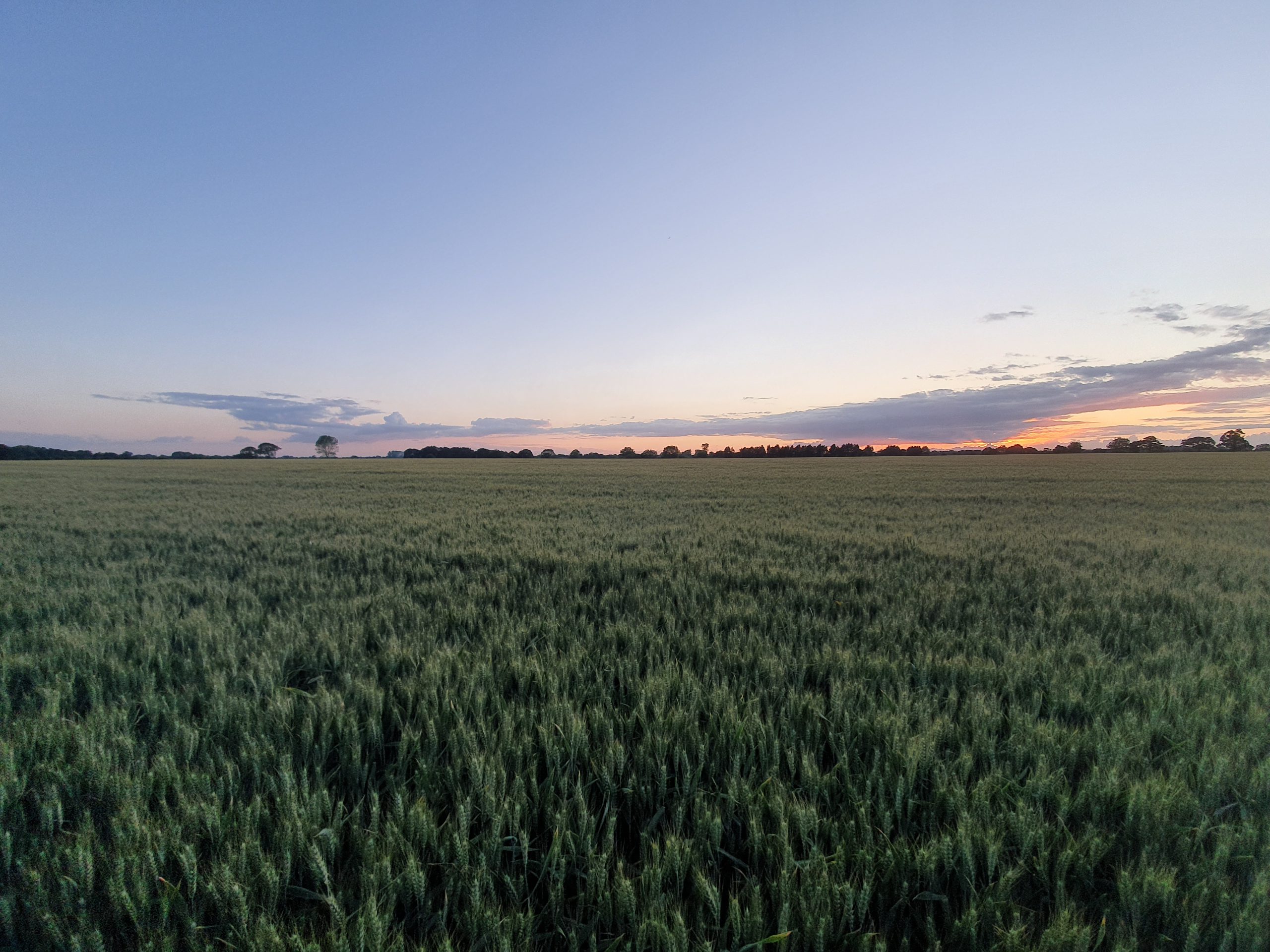
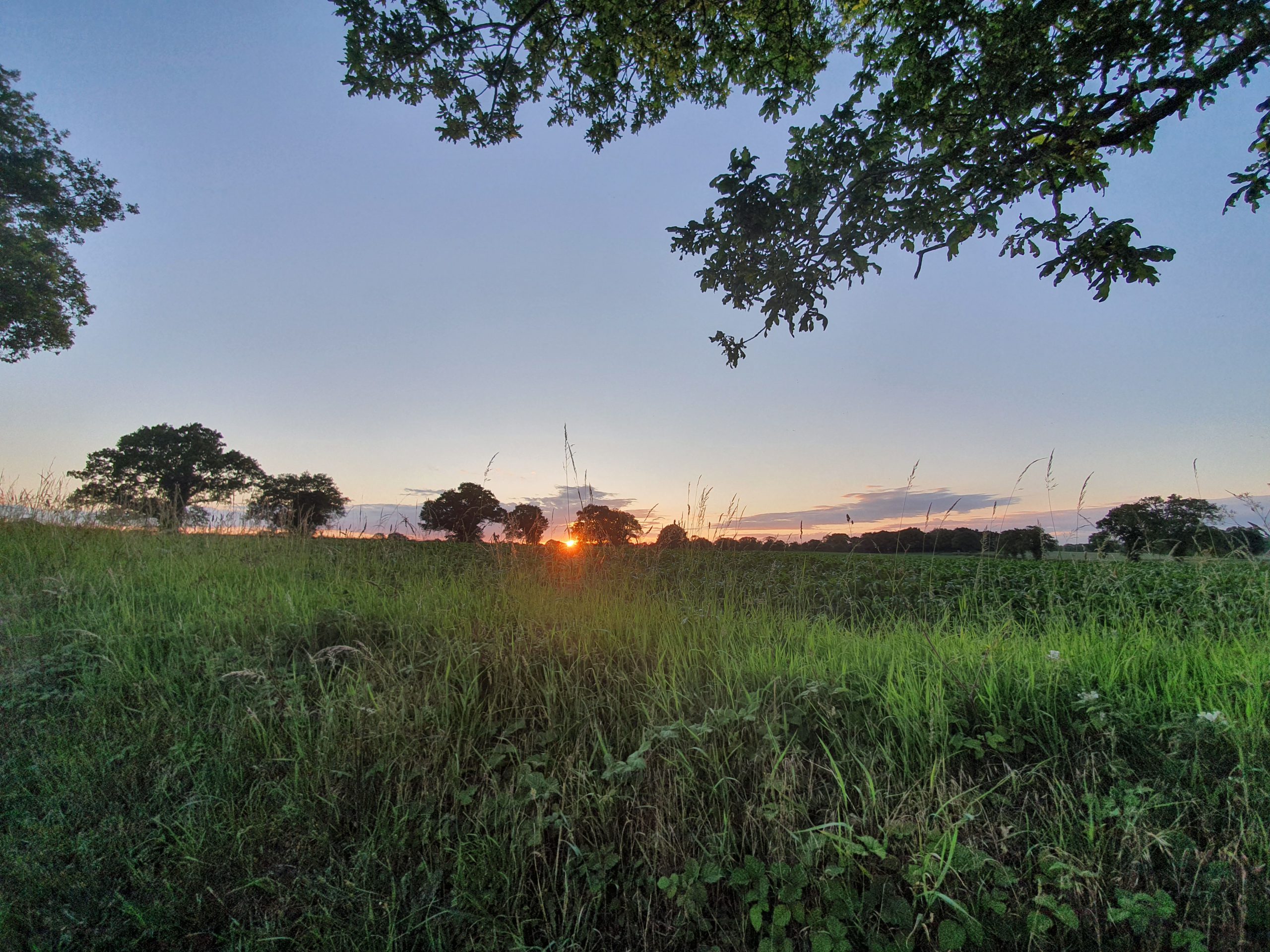
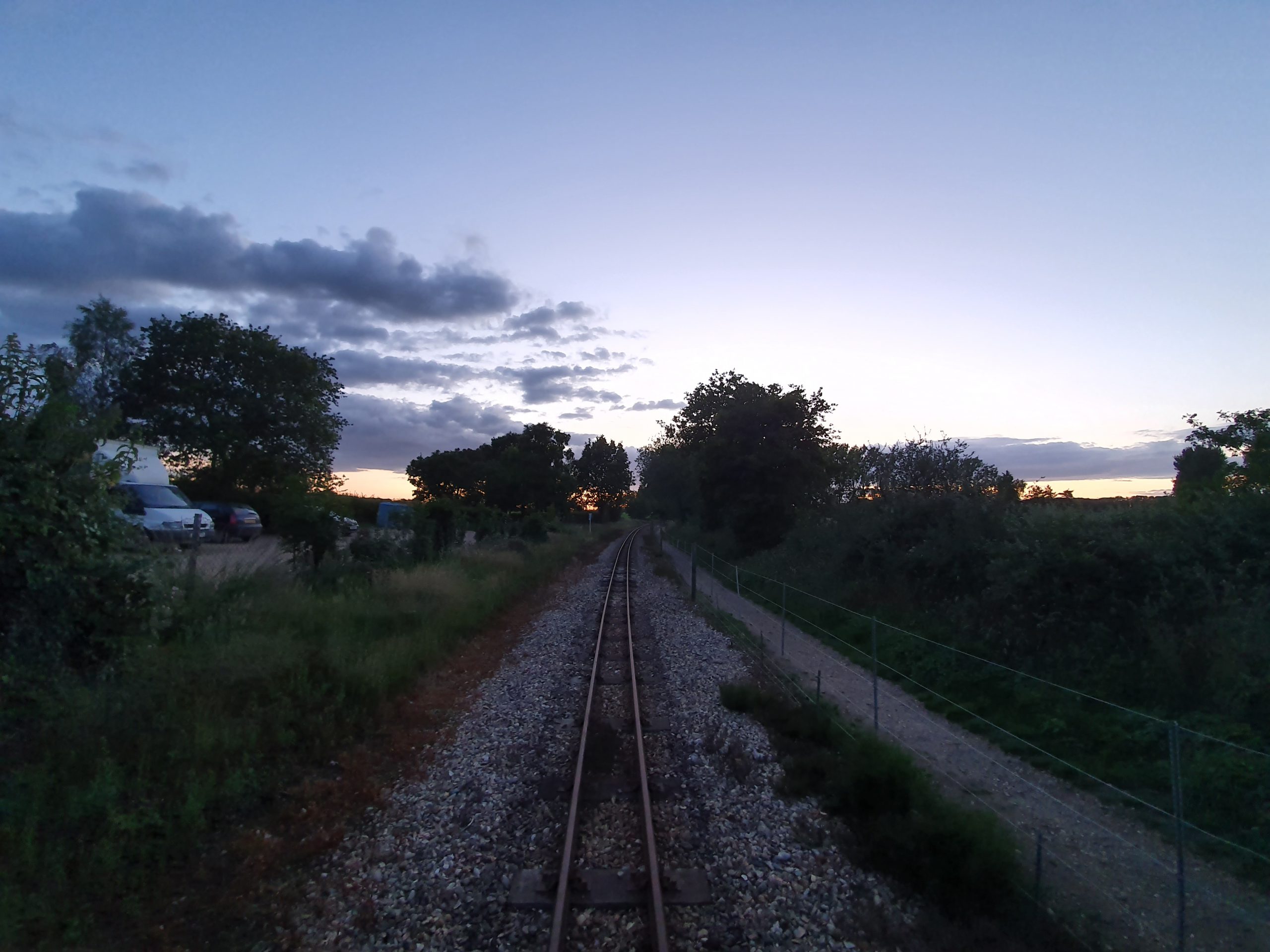
    Just photos from tonight’s walk, an area I knew quite well in parts. We also visited the exterior of three churches, so more on those in later posts. The walk was 12.3 miles, walked in just over 4 hours, and it was nice to finish later into the evening and it was still light. Unfortunately, it goes downhill from here with regards to that for the rest of the year.

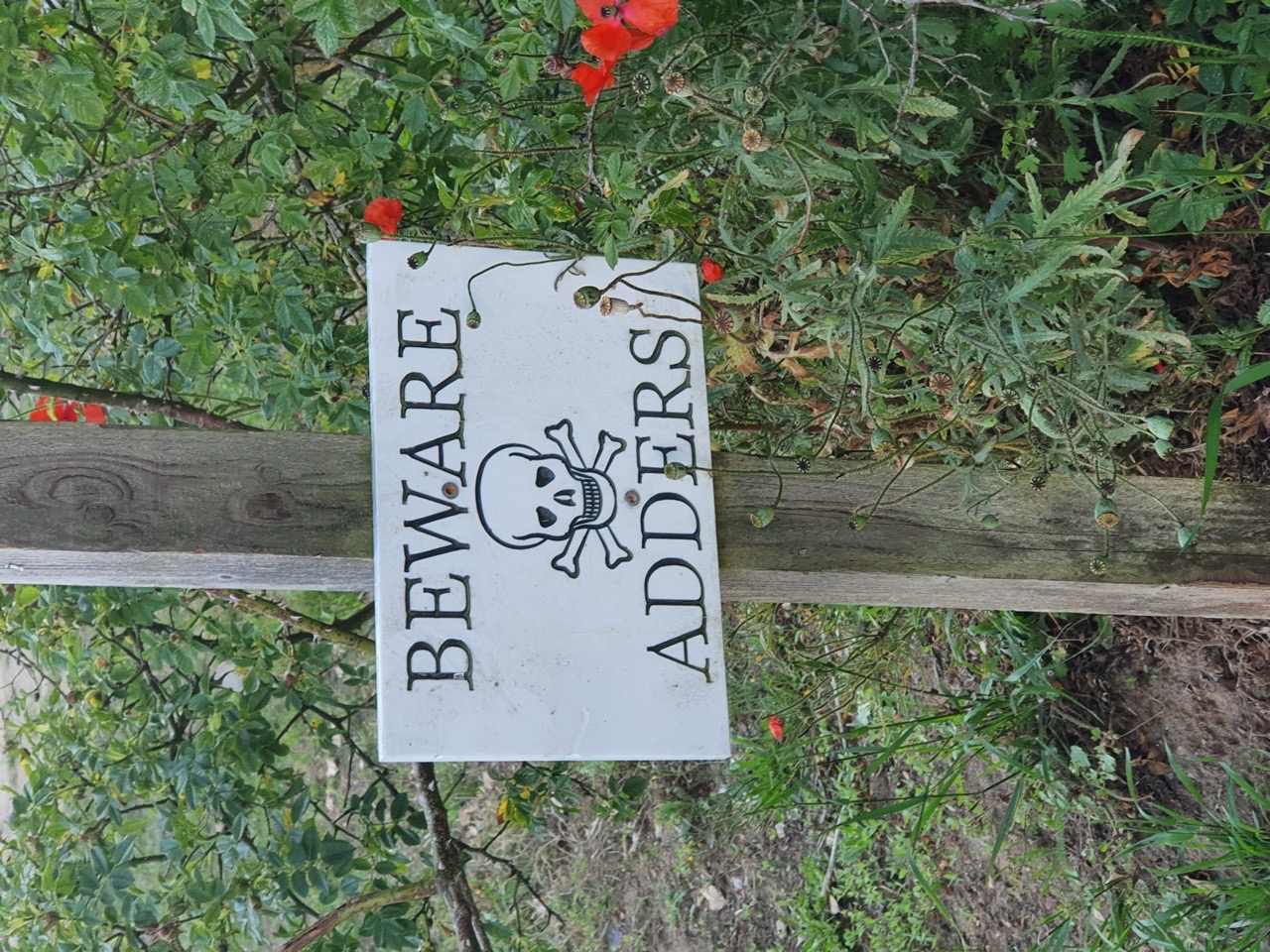
    Fortunately, despite the sign, we didn’t see any of the adders.