Category: Random Posts

  • Matthew Paris’s Clickable Map

    Matthew Paris’s Clickable Map

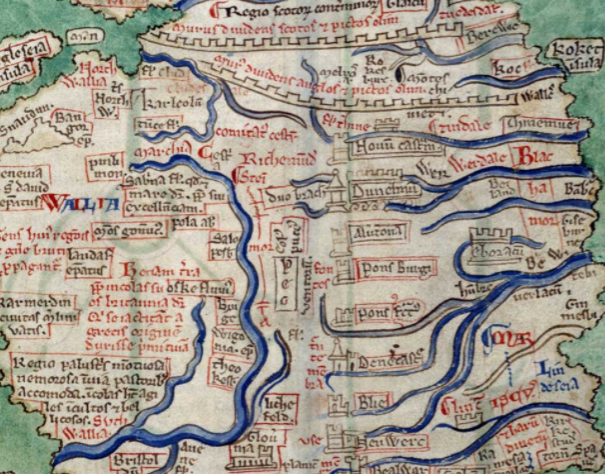
    This is a useful web-site, it’s an annotated version of Matthew Paris’s map of Britain, from around 1250. It’s not a bad stab at the geography of the country, with Paris being a monk who worked from St. Alban’s Abbey in Hertfordshire.

    Visitors to the site can hover over any old place name or description. The details for Wales are quite long, noting the region as:

    “A marshy, woody, hilly, and impassible region, suitable for shepherds. The inhabitants are agile, barbaric, and warlike”.

  • Dictionary of the Vulgar Tongue – Day 111

    Dictionary of the Vulgar Tongue – Day 111

    The Dictionary of the Vulgar Tongue was first published at the end of the eighteenth century, and given that the current health crisis is giving too much time to read books, I thought I’d pick a daily word from it until I got bored….

    Dutch Concert

    This is another charming little phrase, defined as “where every one plays or signs a different tune”. I’m not sure if the dictionary meant signed as a conductor or meant to say ‘I, but the effect is still the same. The phrase is probably from the late seventeenth century, as worsening relations between Britain and the Netherlands led to some new derogatory language about the country. So, it likely started as an insult about the ability of Dutch musicians, but the phrase is still used today about a performance that goes a bit wrong and isn’t in harmony. There seems to be more harmony, if I can be excused for using that word again, between the British and the Dutch today though, such is progress,

  • Dictionary of the Vulgar Tongue – Day 110

    Dictionary of the Vulgar Tongue – Day 110

    The Dictionary of the Vulgar Tongue was first published at the end of the eighteenth century, and given that the current health crisis is giving too much time to read books, I thought I’d pick a daily word from it until I got bored….

    Dumplin

    Ah, at least, a Norfolk themed word in the dictionary, defined as “a short thick man or woman. Norfolk dumpling; a jeering appellation of a Norfolk man, dumplins being a favourite kind of food in that county”. This also ties in with an image I posted last week entitled ‘Norfolk Dumplin’. The word origin here is from ‘dump’, which means the consistency of dough. The word is still used in a negative manner, someone seen as a stupid country person, although it has evolved into almost an affectionate meaning today. Incidentally, apparently the recipe for dumplings in Norfolk don’t call for fat, but instead flour and a raising agent, but I have no idea….

  • Dictionary of the Vulgar Tongue – Day 109

    Dictionary of the Vulgar Tongue – Day 109

    The Dictionary of the Vulgar Tongue was first published at the end of the eighteenth century, and given that the current health crisis is giving too much time to read books, I thought I’d pick a daily word from it until I got bored….

    Duke of Limbs

    This is really a term of abuse, defined by the dictionary as “a tall, awkward, ill-made fellow”. It’s easy to see how the phrase came into being and it was used relatively frequently during the eighteenth and nineteenth centuries. It was also particularly commonly used in the Nottinghamshire area and although meant as an insult, there are somewhat ruder one in Grose’s book…..

  • Dictionary of the Vulgar Tongue – Day 108

    Dictionary of the Vulgar Tongue – Day 108

    The Dictionary of the Vulgar Tongue was first published at the end of the eighteenth century, and given that the current health crisis is giving too much time to read books, I thought I’d pick a daily word from it until I got bored….

    I also managed to get one day behind with these because of doing rather too much walking, so here’s the extra one to make the number of days right  🙂

    Ducks and Drakes

    This is defined as “to make ducks and drakes: a school-boy’s amusement, practised with pieces of tile, oyster-shells, or flattish stones, which being skimmed along the surface of a pond, or still river, rebound many times. To make ducks and drake of one’s money, to throw it idly away”.

    I hadn’t realised that this phrase for skimming stones is still in use in some areas, it’s thought that it dates from the sixteenth century and took its name as the stone hitting the water looks like a duck going above and under the water. The second meaning of the word, to throw away money, comes from the idea of throwing an item away. The phrase was used commonly in the eighteenth and nineteenth centuries, with people advising “not to make ducks and drakes” out of an issue, ie, don’t waste money on it.

    This is another one of those phrases that has fallen out of usage to a large degree over recent decades, although it appears to have increased in usage over the last few years. As an aside, I’m not very good at skimming stones, I can usually get about two and then the damn thing sinks….

  • Blackberries are Back

    Blackberries are Back

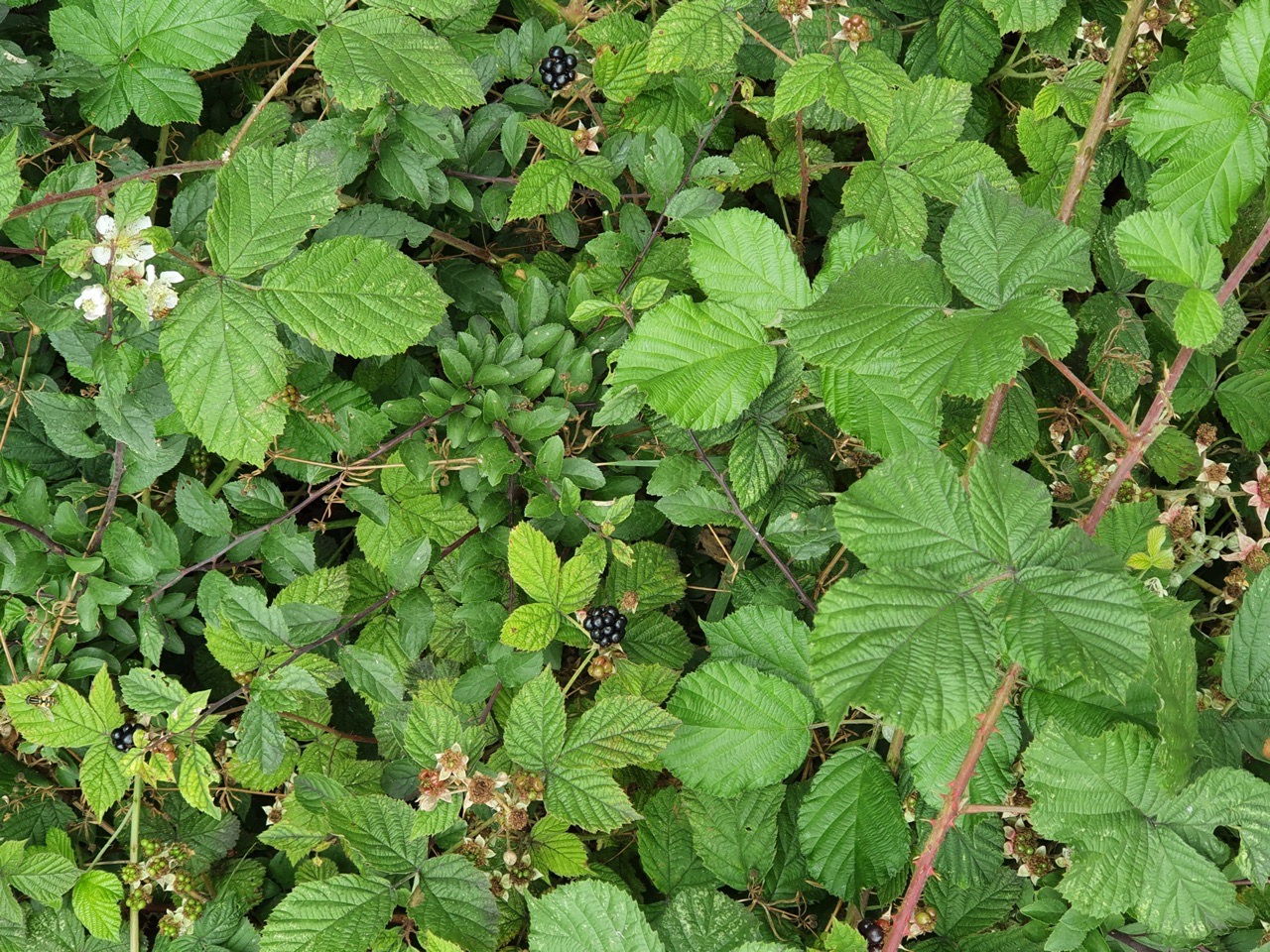
    More positive news for walkers, the first blackberries are now out. How lovely.

  • Dictionary of the Vulgar Tongue – Day 107

    Dictionary of the Vulgar Tongue – Day 107

    The Dictionary of the Vulgar Tongue was first published at the end of the eighteenth century, and given that the current health crisis is giving too much time to read books, I thought I’d pick a daily word from it until I got bored….

    Drub

    This word has changed its meaning a little since the dictionary defined it as “to beat anyone with a stick, or rope’s end: perhaps a contraction of dry rub. It is also used to signify a good beating with any instrument”. Today, it’s more usually used as a way of suggesting that someone has beaten someone in a form of competition or sport, probably by quite some margin. It’s now thought that the word comes from the Arabian word ‘ḍaraba’, meaning a punishment by beating. It could though have come from the old English word ‘drepan’, meaning to hit or strike. I’m not convinced about the dictionary’s ‘dry rub’ argument….

  • Travel Corridor Countries

    Travel Corridor Countries

    Well, this is good news, as it covers all of the countries I was visiting over the next few months. So, anyone returning from any of these countries (and Ireland, which was already exempt) doesn’t now have to stay at home for two weeks. That means a trip away is possible without hibernating inside for two weeks with no Greggs.

    Andorra Germany New Zealand
    Antigua and Barbuda Greece Norway
    Aruba Greenland Poland
    Australia Grenada Réunion
    Austria Guadeloupe San Marino
    Bahamas Hong Kong Serbia
    Barbados Hungary Seychelles
    Belgium Iceland South Korea
    Bonaire, Sint Eustatius and Saba Italy Spain
    Croatia Jamaica St Barthélemy
    Curaçao Japan St Kitts and Nevis
    Cyprus Liechtenstein St Lucia
    Czech Republic Lithuania St Pierre and Miquelon
    Denmark Luxembourg Switzerland
    Dominica Macau Taiwan
    Faroe Islands Malta Trinidad and Tobago
    Fiji Mauritius Turkey
    Finland Monaco Vatican City
    France Netherlands Vietnam
    French Polynesia New Caledonia
  • Dictionary of the Vulgar Tongue – Day 106

    Dictionary of the Vulgar Tongue – Day 106

    The Dictionary of the Vulgar Tongue was first published at the end of the eighteenth century, and given that the current health crisis is giving too much time to read books, I thought I’d pick a daily word from it until I got bored….

    Draper

    The dictionary defines this as “an ale draper, an alehouse keeper”, the word origin is ‘draper’ meaning cloth and is usually referred to as a seller of textiles and fabrics. It gives the alehouse keeper something of an artisan feel though when used like this.

    The word was used in this manner, to describe publicans, from as early as the sixteenth century, but it had started to fall out of usage by the middle of the nineteenth century.

  • Dictionary of the Vulgar Tongue – Day 105

    Dictionary of the Vulgar Tongue – Day 105

    The Dictionary of the Vulgar Tongue was first published at the end of the eighteenth century, and given that the current health crisis is giving too much time to read books, I thought I’d pick a daily word from it until I got bored….

    Dog Latin

    There’s some imagery than readers of the dictionary can probably picture here after seeing the definition, which is “barbarous Latin, such as was formerly used by the lawyers in their pleadings”. Other dictionaries also mention that this was a similar issue with some vicars in the church during their sermons mauling Latin about.

    But the legal element here continues, with what is now called Law Latin. This is where significant parts of the British law and legal opinions were written in a Latin which was partly made-up by trying to translate English back into Latin. This led to a situation where for a period in the medieval period there were court cases using French (and tens of legal words used in British courts still today have French origins), English and Latin, so it’s not entirely surprising that the results were a little mixed.