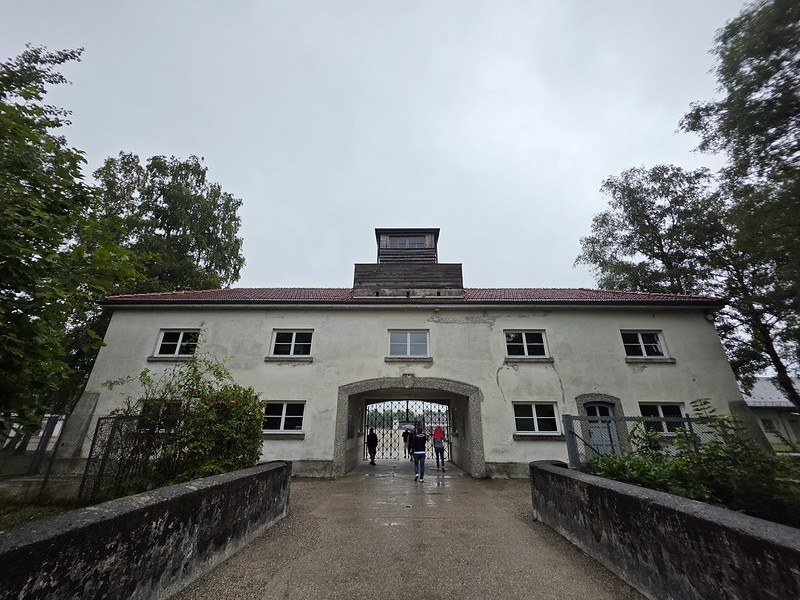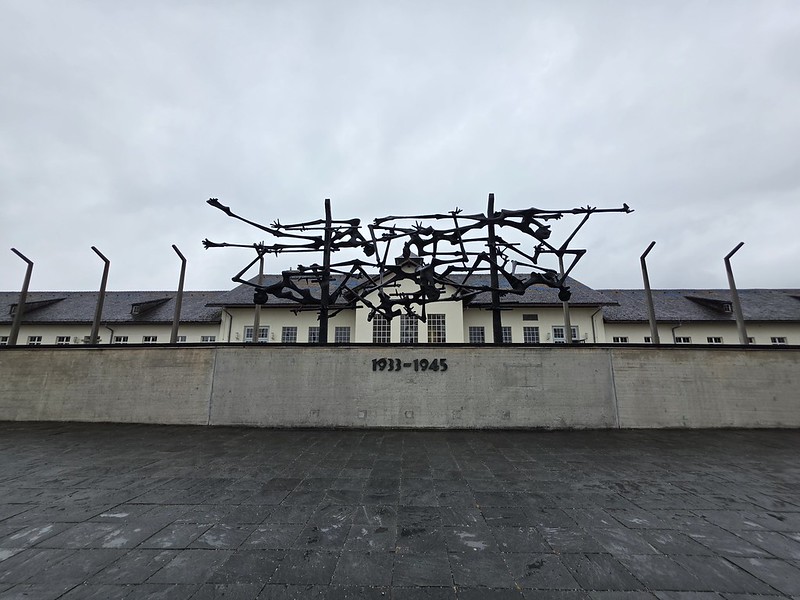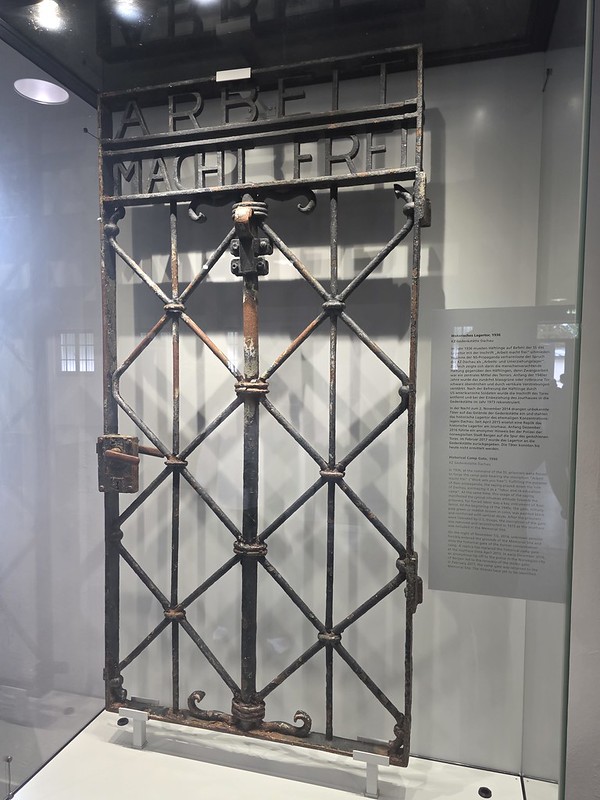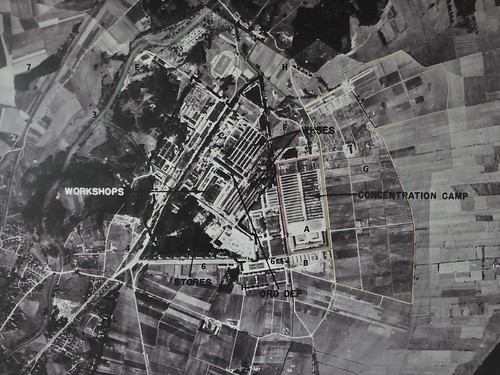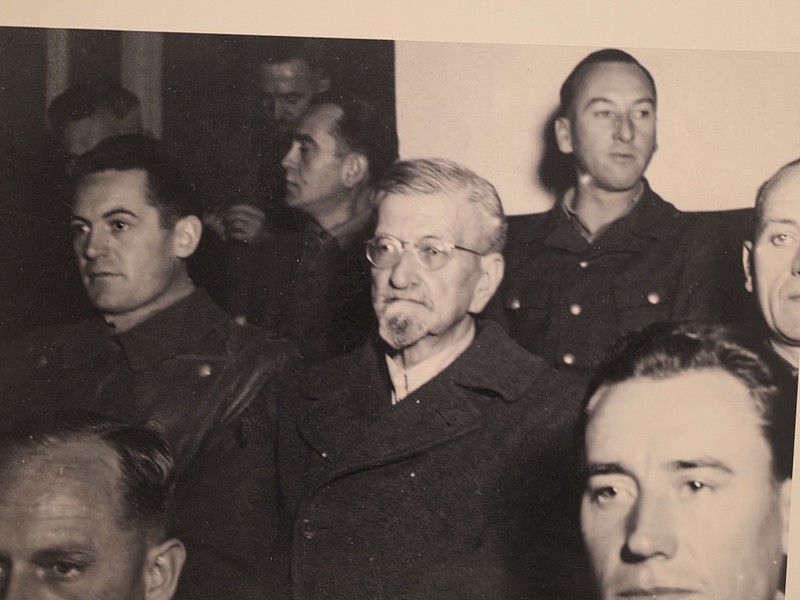

Claus Schilling (1871-1946) is not a name that I had heard of and he sits very uncomfortably in medical history, though it is one that deserves remembering for the darkest of reasons. A German tropical medicine specialist born in 1871, Schilling built his reputation on malaria research in Italy before the war. That early work was legitimate enough, but his career took a grotesque turn under the Nazi regime when his skills were redirected towards human experimentation at Dachau concentration camp.
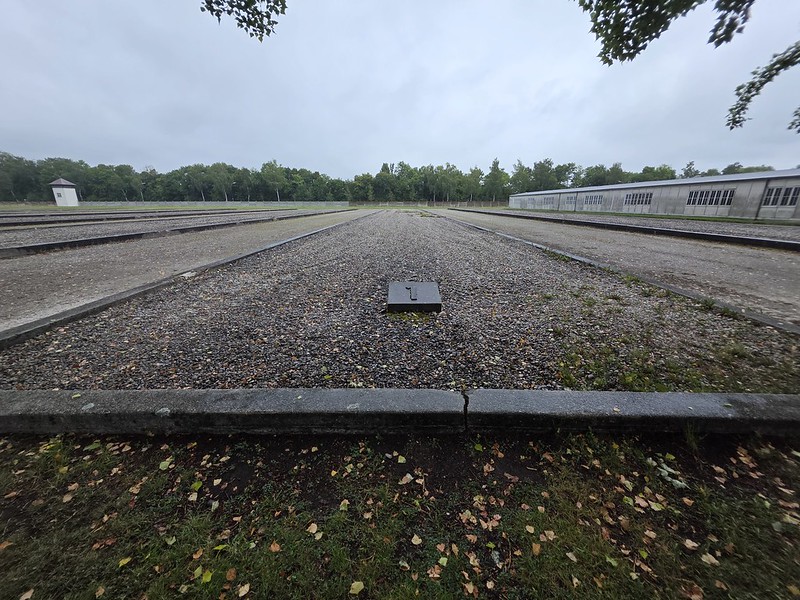
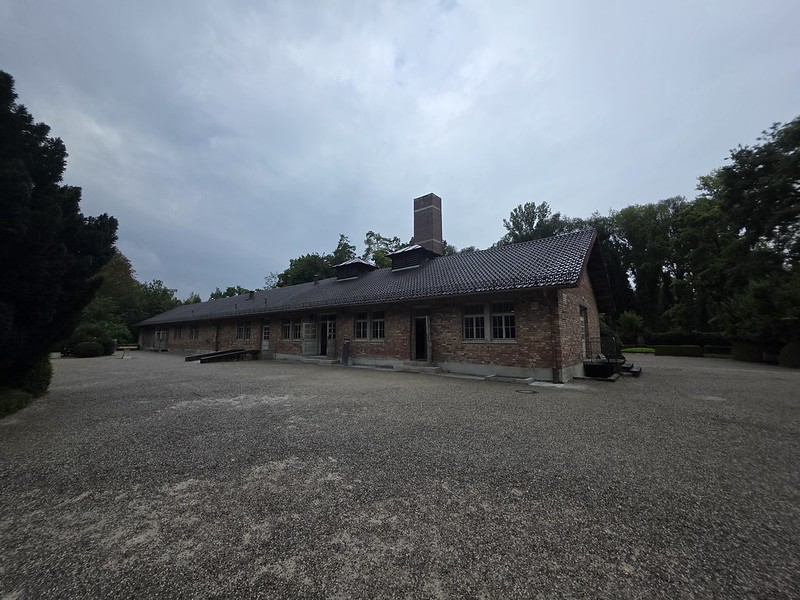
In 1942, by then in his seventies and retired from normal academic life, Schilling was encouraged by Heinrich Himmler to continue his malaria studies, but now using prisoners as unwilling test subjects. The barracks at Dachau were adapted for this purpose, and over the next three years thousands of inmates were deliberately infected with malaria parasites so Schilling could observe the progress of disease and trial treatments. The authorities were told me Schilling that his experiments would be legitimate and avoid suffering, but I can’t imagine the Nazis would have stopped him if he had told them the truth.
The conditions were absolutely brutal for those chosen to be his patients. Prisoners were exposed either through bites from infected mosquitoes or by being directly injected with parasites. Once ill, they were given a variety of drugs, some experimental, others known to be ineffective, in order to measure responses. Many suffered agonising fevers, complications or long-term debilitation. It is estimated that around 400 prisoners died as a direct result of these experiments, though the suffering of survivors is harder still to quantify.
Schilling himself seemed to justify the work as a contribution to military medicine, I assume actually convincing himself of that. Malaria remained a problem for troops in southern Europe and North Africa, and his argument was that the research might save German soldiers’ lives. But the cost was borne entirely by the prisoners, who were stripped of choice, consent or dignity. It was medical science twisted beyond recognition, an exploitation of knowledge for cruelty rather than healing. When the war ended, Schilling was arrested by American forces. At the Nuremberg Doctors’ Trial held between 1946 and 47, his actions were laid bare alongside those of other physicians who had abused their positions under the Nazi system. Found guilty of war crimes and crimes against humanity, he was sentenced to death. Schilling was hanged in Landsberg Prison in May 1946, aged 74, one of the relatively few who lost their lives for what happened at Dachau.
There really wasn’t much compassion or understanding to him, he spoke in English when he told the war crimes trial:
“I have worked out this great labour. It would be really a terrible loss if I could not finish this work. I don’t ask you as a court, I ask you personally to do what you can; to do what you can to help me that I may finish this report. I need only a table and a chair and a typewriter. It would be an enormous help for science, for my colleagues, and a good part to rehabilitate myself.”
It seems to me that this type of behaviour is the most challenging of all the atrocities that took place during the Second World War. A medical doctor, who I assume had been trained to alleviate pain, had instead gone down another route and dehumanised people for his experiments. He doesn’t appear to have been a Nazi in terms of joining early or showing political interest, he just got swept along with the hate of the Nazi regime and became a war criminal. I’m not sure I understand how what appeared to be a mild-mannered doctor managed to end up being one of the worst war criminals of his generation.