
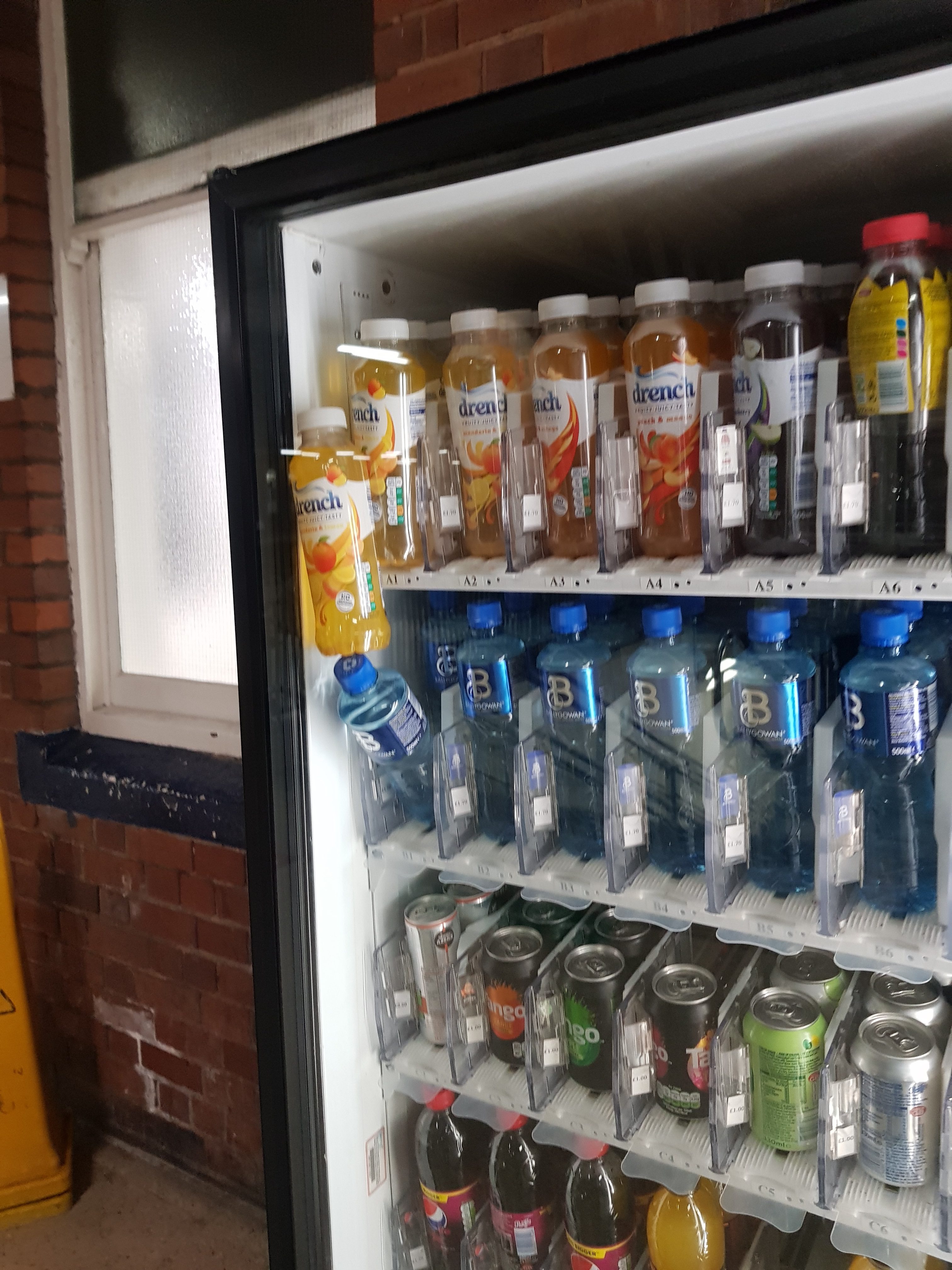
This wasn’t anything I lost, but I felt the pain for whoever hadn’t got their drink dispensed at Doncaster railway station. Not least because I had a similar incident when Dylan felt an urgent and unstoppable need for Skittles from the vending machine at Cambridge railway station, which didn’t dispense properly (although fortunately the next two dispenses worked). I suspect that Selecta, the vending machine company, were surprised that I took the effort to fill in their refund form to reclaim the £1. But I did, and they did refund it.
Author: admin
-
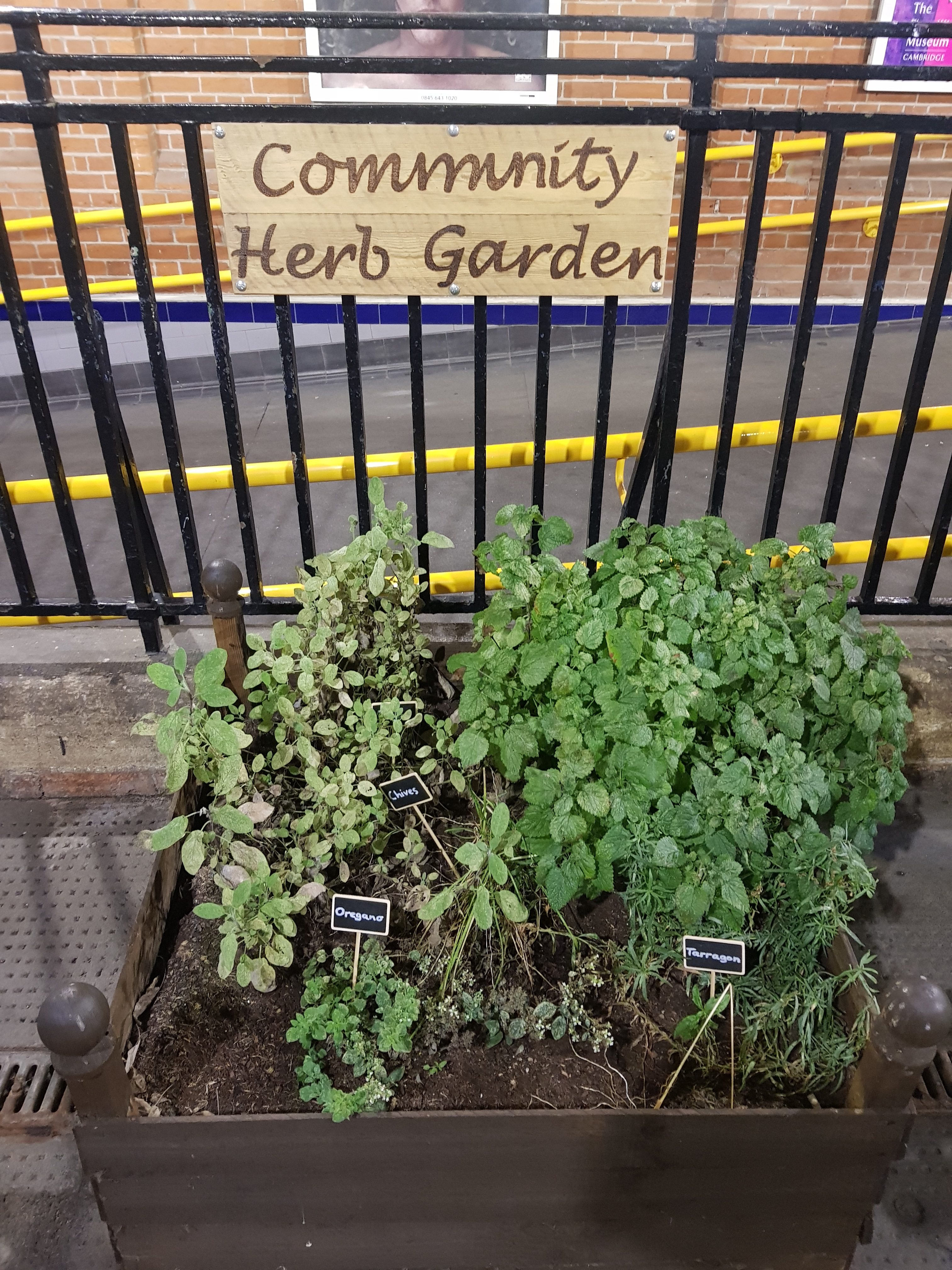
Ely – Community Herb Garden
This is a rather nice idea, a community herb garden at Ely railway station. I don’t know much about who has organised this, but what a wonderful project.

Sorrel and lemon thyme.

Parsley.

Apple mint.

Rosemary.
It’d be an interesting project to extend this to more railway stations, although preferably of course only locations where the local ‘wits’ won’t damage them.
-
Hull to Norwich by Train – Northern, LNER, Cross Country and Greater Anglia
My time in Hull had come to an end, so it was time to get the train back from to Norwich. In theory, this would have involved a Northern train from Hull to Doncaster, an LNER train from Doncaster to Peterborough and a EMR train from Peterborough to Norwich.

Here it is, the pride of the north, a Northern Rail Pacer train (144019) which they were phasing out by July 2019. As can be seen here, since it’s October 2019, that timetable hasn’t been met and there’s another year of them.

These really aren’t the best of trains, they probably do need to be sent to the dustbin of railway history.
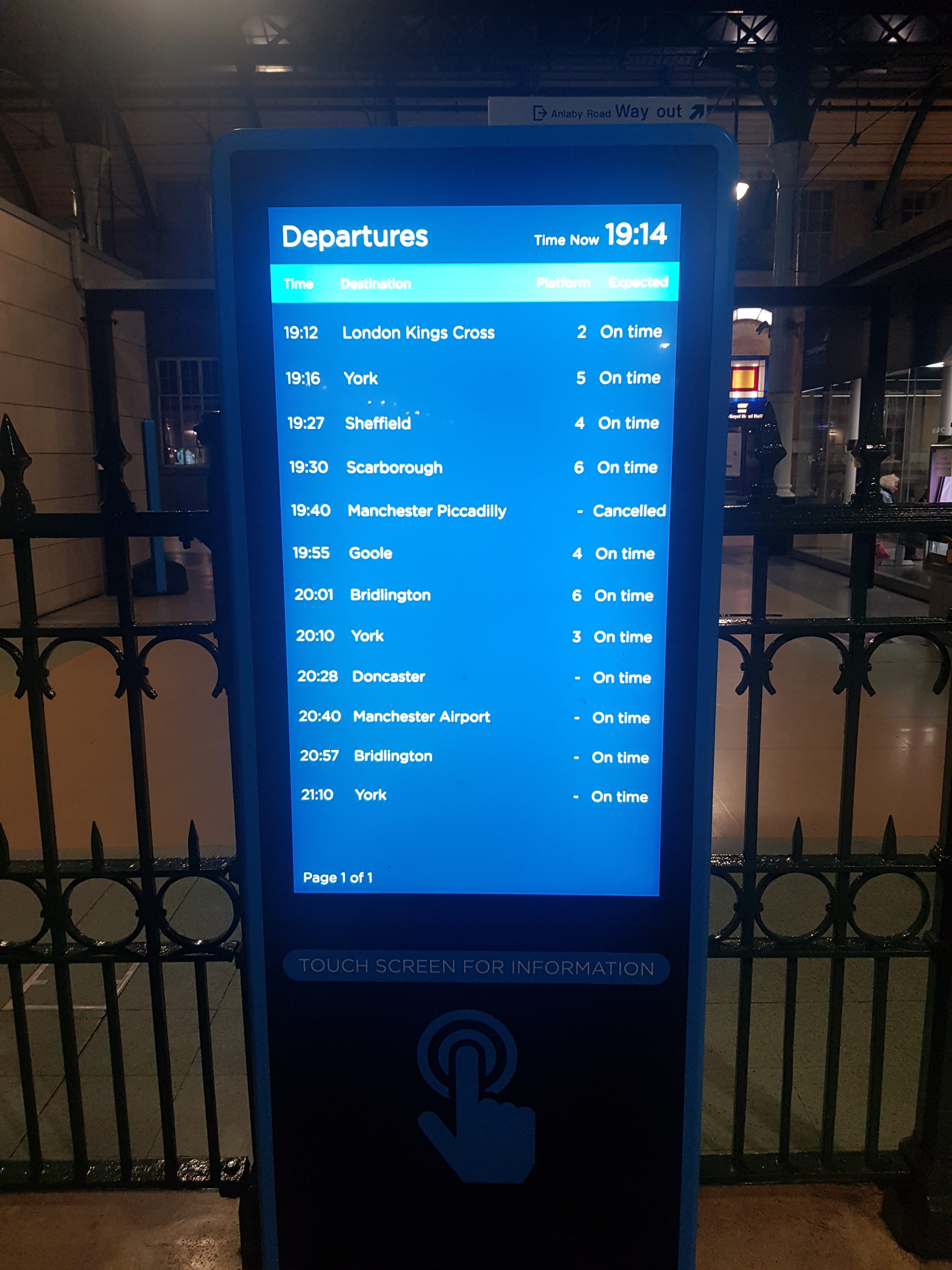
Anyway, I was meant to get the 19:27 train from Hull on the Northern service. There was flooding along the line, outside of where I was going, but it was impacting on the Northern train service. Being a responsible passenger, I approached the TransPennine ticket desk as this was the only one I could readily find and they’re the company who operate Hull Paragon Interchange railway station. On this, I wish they’d just call it Hull, as it’s a bizarre name for the city’s main railway station. The staff member there was helpful, but he reassured me that the 19:27 was running, but that there was a service at 19:12 if there was a cancellation of my service. But, if at 19:12 the 19:27 service was showing, I had to wait for that, which is what I did.
There was a member of First staff at the railway station, which is logical because they operate the very interesting Hull Trains open access service to London from Hull. He was offering customer service advice as the 19:27 service was changed to start from Sheffield, not from further down the line. And, by the time I spoke to him, the 19:27 service wasn’t operating on time. This is relevant, in what is otherwise a winding and endless story, of mine because I could technically now no longer get home. He said that the rail policy was to get as far along my journey as possible, which made sense to me. He also explained that there were some tests of the brakes going on as the train had gone through the flooding earlier on during the day.
So, on the 19:27 service I get. I say 19:27, but the doors didn’t open until 19:40 and it didn’t set off until nearly 19:50. It then made extra stops, so my train from Doncaster to Peterborough had long gone when I arrived into Doncaster.

I thought I’d go and ask LNER staff at Doncaster what the rail policy was, because I’m interesting in knowing what happens when the rail network goes a bit wrong and people need to get home. Some of what they told me I knew, other parts I didn’t. But, in short, I was told that the rail network preferred to get taxis home for anyone who missed their final connection, as this is the set-up that different rail operating companies have with each other.
I was also told that rail companies might pay for a hotel, but this would usually have to be at least semi-authorised by the rail company would end up paying for it. So, it would be hard for a member of LNER or Greater Anglia staff to authorise a hotel and then get Northern to pay for it, whereas taxis were always paid. LNER apparently frequently shuttle passengers by taxi from Doncaster to London and from Doncaster to Newcastle, but rarely pay for hotels. But, equally, I was told that rail staff have been told to be pragmatic, so if someone is stranded hours away from home, with no other passengers to share a taxi with, the rail company might just pay for a hotel and endorse the ticket for use on the next day.
I had also become aware by now that I had what they called “an illegal connection” which was possible. So, not a connection that wasn’t allowable, but just one that passengers couldn’t be expected to get as there wasn’t enough time to change trains. Which is like conformance times at airports, although they can enforce those cut-off points. In my case, I could connect from the Doncaster to Peterborough train onto the Peterborough to Ely train, but there was only four minutes to do so. The LNER staff told me that I was under no obligation to rush for this, nor was I expected to even know about it. Rail policy was I should present myself to rail staff at Peterborough and they’d advise me. It was clear here that if I wanted a free taxi from Peterborough to Norwich, I could probably get one by faffing about when disembarking. However, I prefer trains and don’t really like taxis, and it would have also been a waste of the rail company’s money, in this case, Northern Rail.
At this point, I boarded the LNER Azuma train at Doncaster, which is in the above photo when it pulled into the railway station.

I commented on these before when I got the train up, but these are really clear to understand. There was also plenty of seating on the train.

And I got my table seat, with wi-fi and power that all worked well. An LNER member of staff came by and I asked him about my connection at Peterborough. He said the same as the customer service staff had at the station, which was that I shouldn’t worry, I should just get off at Peterborough and ask a member of platform staff what to do.
I was slightly disappointed to get off, as a staff member had just come into the carriage to check tickets. The customer behind me only had a reference number for his ticket, not the actual ticket. I was humoured by the staff member when she said “what do you want me to do with a reference number?” and the customer replied “accept I’m telling the truth?”. Which is quaint and rather innocent. She replied “it doesn’t work like that, how it works is you give me £130 and then I give you a ticket and not just a reference number”. I’m not sure what journey he was making, as that seems a lot of money, but he wasn’t happy. They were just getting into quite an argument, albeit a polite one, and I was really disappointed that the train pulled up into Peterborough and I didn’t hear how that ended. I love a drama….

And the good news is that I got in Peterborough six minutes early, so an impressive performance from LNER on a really decent train. Above is the photo of the train as it departed from Peterborough towards London.

Which then meant that I’d get the Cross Country train to Ely, which turned up on time. I got another table seat and the train was comfortable, but not particularly clean.

Let’s just say, it was clear that there wouldn’t be a fight for space when boarding the train. This is Ely railway station and it’s a shame Dylan and Leon weren’t there, we could have gone under the tunnel at least 20 times in the time I had to wait. The Greater Anglia service was on time and the staff member was enthusiastic and helpful, something which is common with their staff, which is why I still like them a lot as an operating company.

And smoothly into Norwich railway station, on time and the Stadler train (the one on the left) journey was seamless and comfortable. The train fare cost £19.80 and I got in 57 minutes late, so I’ve put in a delay repay request to Northern Railways for £9.90. I’m not sure how this will work out as they don’t seem to think they operate a 19:27 service, as it didn’t come up on the on-line form. We shall see, but all told, the rail network did come together nicely and there was not one single moment where I was doubting whether I’d get home somehow, even if it was a taxi.
-
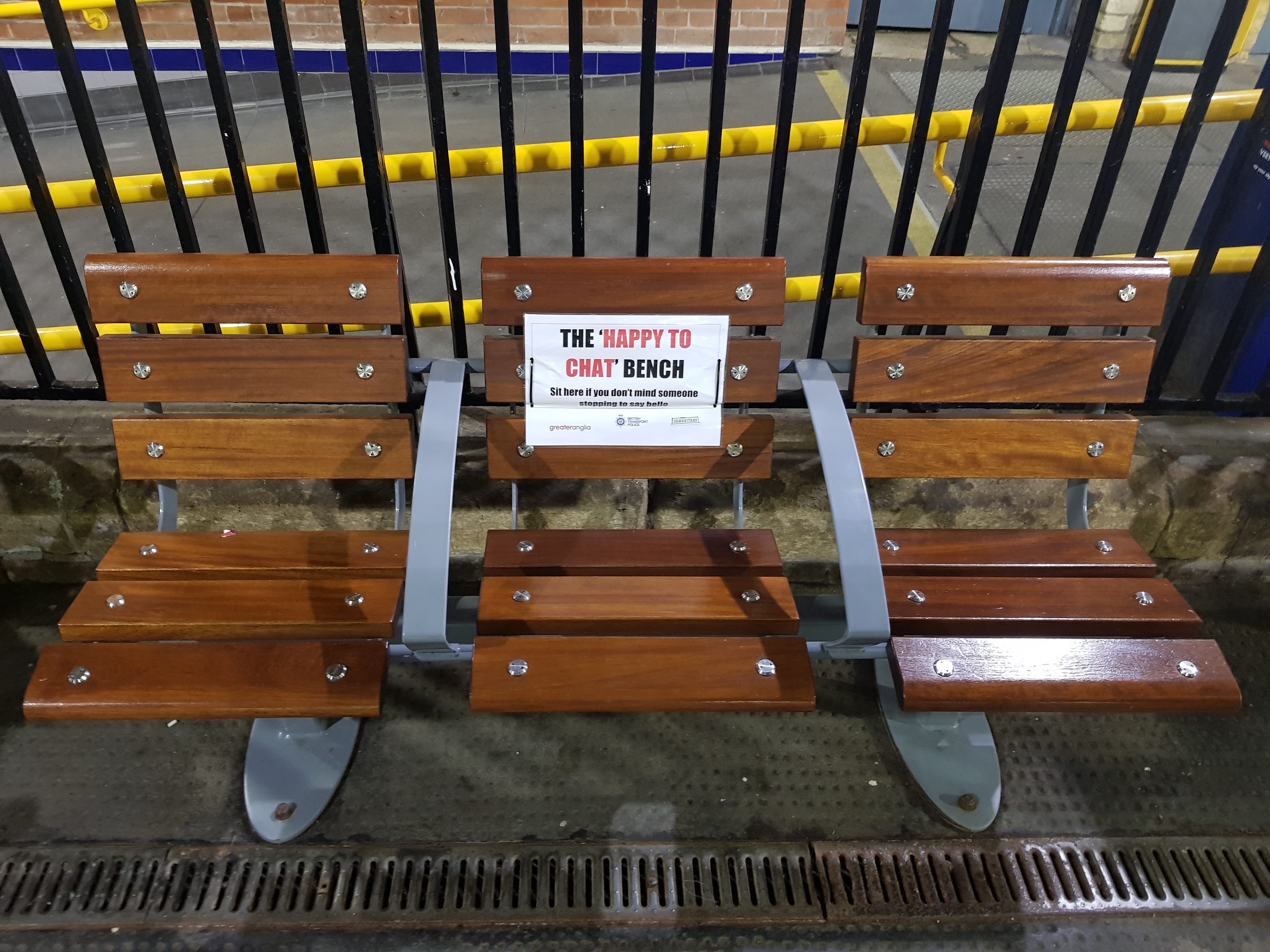
Ely – Happy to Chat Bench
I’ve heard about this concept and seen it in photos, but this is the first time that I’ve actually seen one. This bench is at Ely railway station and what a very lovely idea. Congratulations to Greater Anglia, the British Transport Police and the Samaritans.
-
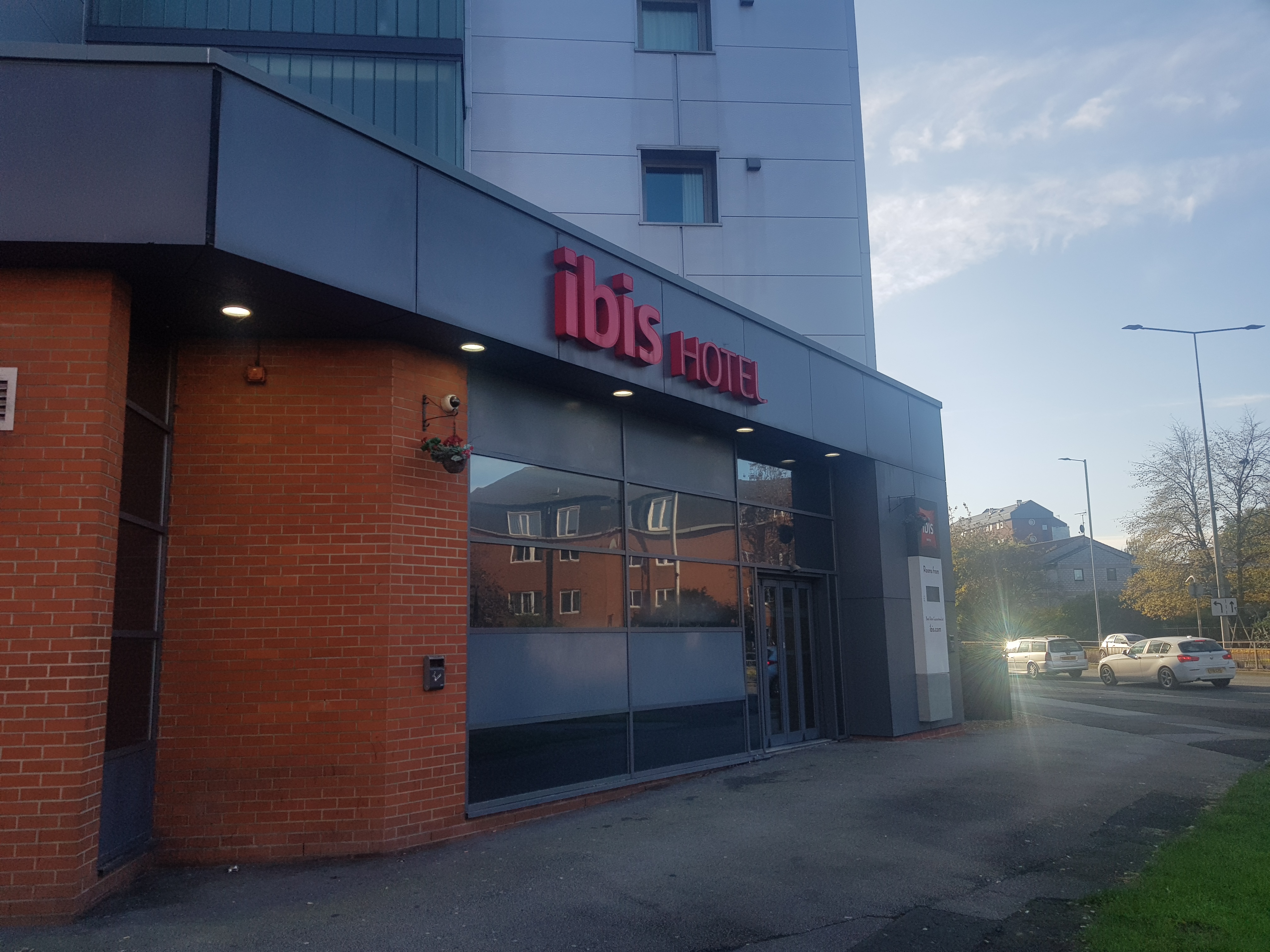
Hull – Ibis City Centre
Just a short walk from Hull’s central railway station, I arrived at the Ibis hotel at 23:59, which is marvellous as I’d already told them I’d arrive at around midnight and asked by e-mail if that was OK. The hotel responded quickly saying that was all fine, although I was slightly nervous that my train might get delayed and so my arrival would be much later.
The staff member was jolly and helpful, and he was also present behind the desk for a good chunk of the five days that I was there. He clearly works hard, especially given he seemed to be doing the night-time hours.

The room, which was clean and well presented. It’s very Ibis brand standard, so there are rarely any surprises here.

And the view from the room….. For anyone interested, which is likely no-one, I took this photo the day after as otherwise it was dark and the photo would have been pointless.

This is my free gift, and to be honest, I’m entirely happy with that. It was a choice of a Mars Bar or a Snickers Bar, and given that this was an Ibis hotel, and one of their cheapest in the brand, I didn’t expect a bottle of champagne. I wouldn’t have turned down a selection of baked goods from Greggs, but this was fine and a handy midnight treat.

This is the free drink I got with my voucher, a pint of Boddington’s. OK, it’s slumming it a bit compared with my normal high quality (or what I call high quality anyway) craft beer intake, but it was still entirely acceptable. I treated myself to some crisps as well, as I felt the beer needed it. I’d add that I saved this for later on during my trip, I didn’t march back down to reception at just gone midnight to drink it.

The breakfast area. Being easily excitable, I like to get to breakfast early in hotels and I admit I didn’t really need to be there at 06:15…. But all of the food and drink was ready and I was able to fight my way through the hordes of other guests.

The hot breakfast selection. There were muffins, cereals and some very cold fruit salad, none of which were exceptional, but they all sufficed.

My first plate of food, along with orange juice, tea (proper flavoured fruit tea, I’m not much of a drinker of breakfast tea and the like) and coffee. The quality of the breakfast ingredients was high, tasty herby sausages, flavoursome tomatoes and hot baked beans. The bacon was excellent, although I spent some time carefully cutting off the fat (I think that irritates Liam, but he wasn’t here, so it doesn’t matter) and had a little pile of that heaped up. The bacon was also rather salty, but I like that, so this was acceptable to me, although I probably gave myself a salt overdose.

I took a photo of this as there were a middle-aged couple in the lift and they asked me why there was a photo of mushy peas and bacon on this poster for breakfast (which reminds me of an old joke about Peter Mandelson). I helpfully posited the idea that it might actually be avocado and bacon on sourdough toast (because that’s what it is), which seemed to confuse them. The reply I got back was “they have avocado for breakfast here?”. I mentioned it was more aspirational than factual, but the lift reached the ground floor and this conversation didn’t go any further.
Anyway, this was another very good stay and my fanboy view of Accor Hotels is unchanged. The rooms were clean, everything was restocked daily, there were no noise issues and the staff were friendly. Given the price point, which was under £40 per night including breakfast, this seemed more than reasonable to me. All rather lovely.
-
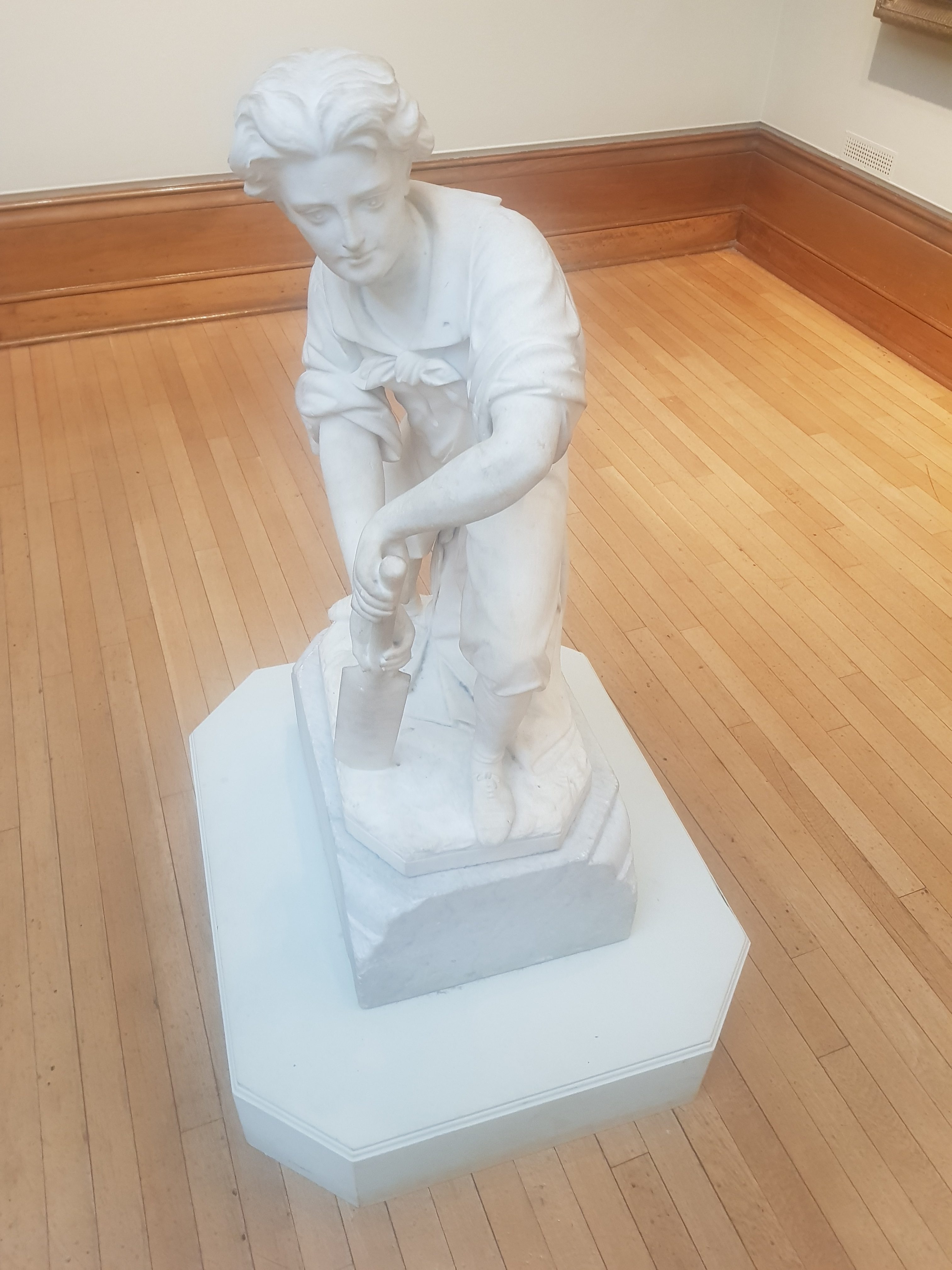
Hull – Ferens Art Gallery (The Batsman by William Day Keyworth)
This cricketing sculpture was designed by William Day Keyworth the Younger, an artist who lived from 1843 until 1902, when he rather sadly committed suicide due to financial issues. Keyworth was born in Hull and he also worked in the city, becoming a well known sculptor in the late nineteenth century.
The gallery notes on the information panel that they were pleased to be able to get this artwork in 1993, as there was some competition with a number of sports fans who also fancied having it. It’s also called the Young Cricketer and it was made as a pair (there’s not reference to where the other one is, so perhaps no-one knows….) for the Peckover family of Wisbech, the bankers who owned what is now the National Trust property of Peckover House.
-
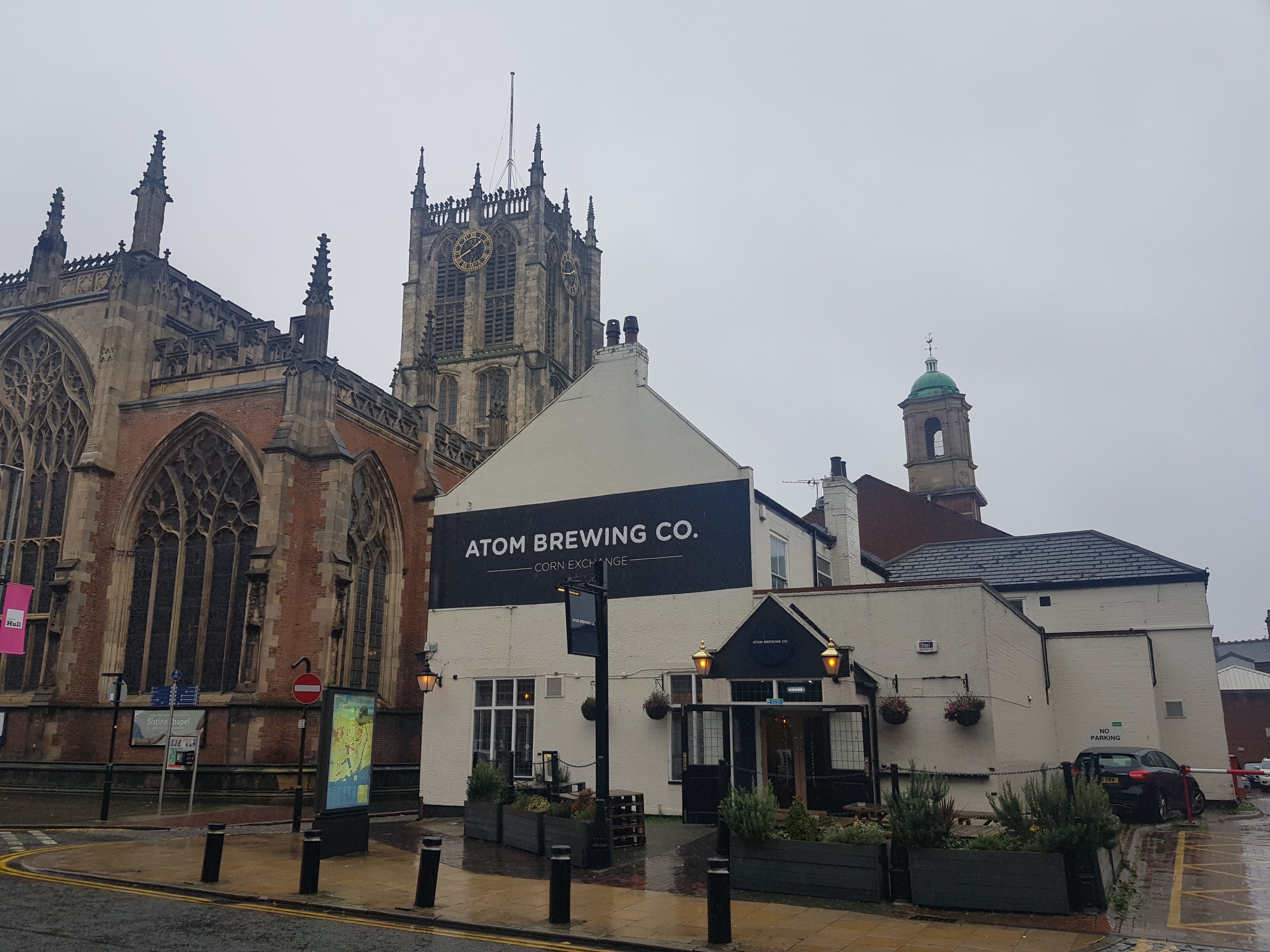
Hull – Atom Brewing at the Corn Exchange
This charming and on-trend pub has gone through a few incarnations recently, but it’s looking good now, even though it’s apparently an Enterprise Inns pub.

The staff member was engaging and more than happy to guide me through the dark beer options, of which there were several interesting ones. I did notice a customer a few minutes later went up to the bar and looked entirely confused, before admitting to the staff member he didn’t know what to get. The response was professional, the staff member suggested a couple of options, gave samples of the beer and then the customer picked his favourite. All very reassuringly competent. There are also cans and bottles available for those customers who want an even wider choice than those chalked up on the blackboards above the bar.

There are a few different rooms within the pub, so there’s a choice of different seating types including high tables and these low sofas. It was all comfortable, clean and well presented. They weren’t serving food when I visited as there was some issue that I didn’t particularly listen to as I hadn’t intended to eat there. However, looking at the reviews, the food looks good and, like the whole operation, on-trend. There were though quite a lot of dogs (of the animal kind) around the pub, which are encouraged and welcomed, but which did have quite an impact visually and in the olfactorily sense, so it might not suit everyone.

The Lucky 6 Honey Porter from Northern Monk, a nicely sweet, but rich, porter which had a real depth to it. The prices here weren’t the cheapest, but quality doesn’t necessarily come cheap and this was a decent enough beer to justify the cost.
I liked it here, it was a relaxing and laid-back environment and the bar staff seemed in control of the whole pub. I was also delighted that three other customers after me asked for dark beers (although I was there for about an hour, there’s no point rushing these things), which just goes to show that we won’t always be stuck drinking bloody IPAs. The pub also produces its own beers, which I didn’t try, but again there looked like some tempting options.
All told, another very lovely pub in Hull, with a welcoming feel to it.
-
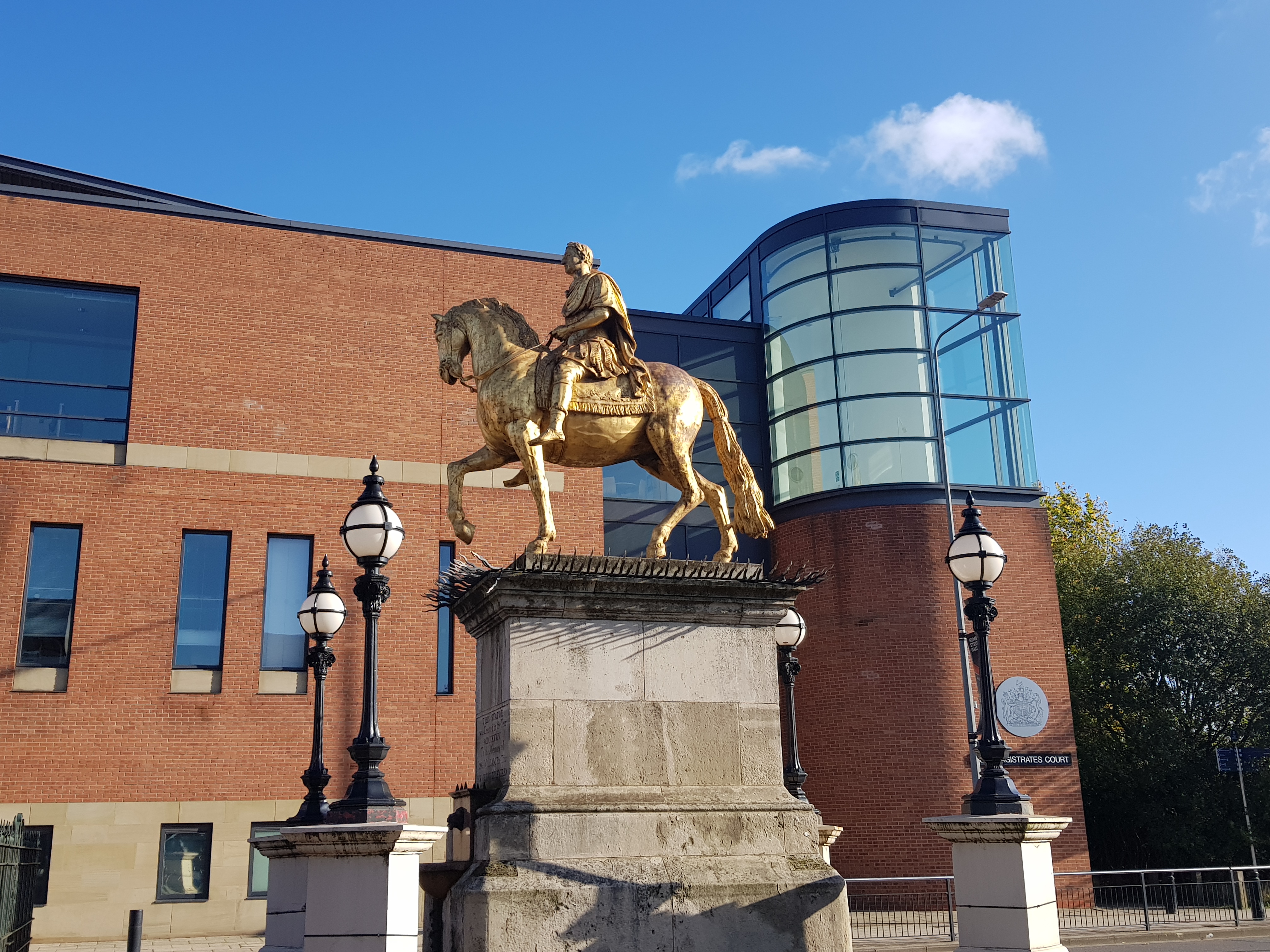
Hull – King William III Statue (King Billy’s Statue)
This is what can only really be described as an early bit of bling, the gilded statue of King William III. The statue was designed by Peter Scheemaker in 1734, although it wasn’t gilded until 1768. And perhaps they overdid a bit by doing that…. The statue was paid for by public subscription and they raised an impressive £785, which is nearly £100,000 in today’s money.
It’s also not located in a marvellous part of Hull, as it’s a bit of a traffic hub now. Once it was the city’s marketplace and its location near to the Minster was quite salubrious, but not really any longer. The one positive that there was, which was the William III pub next door to the statue, has also now closed down.
-
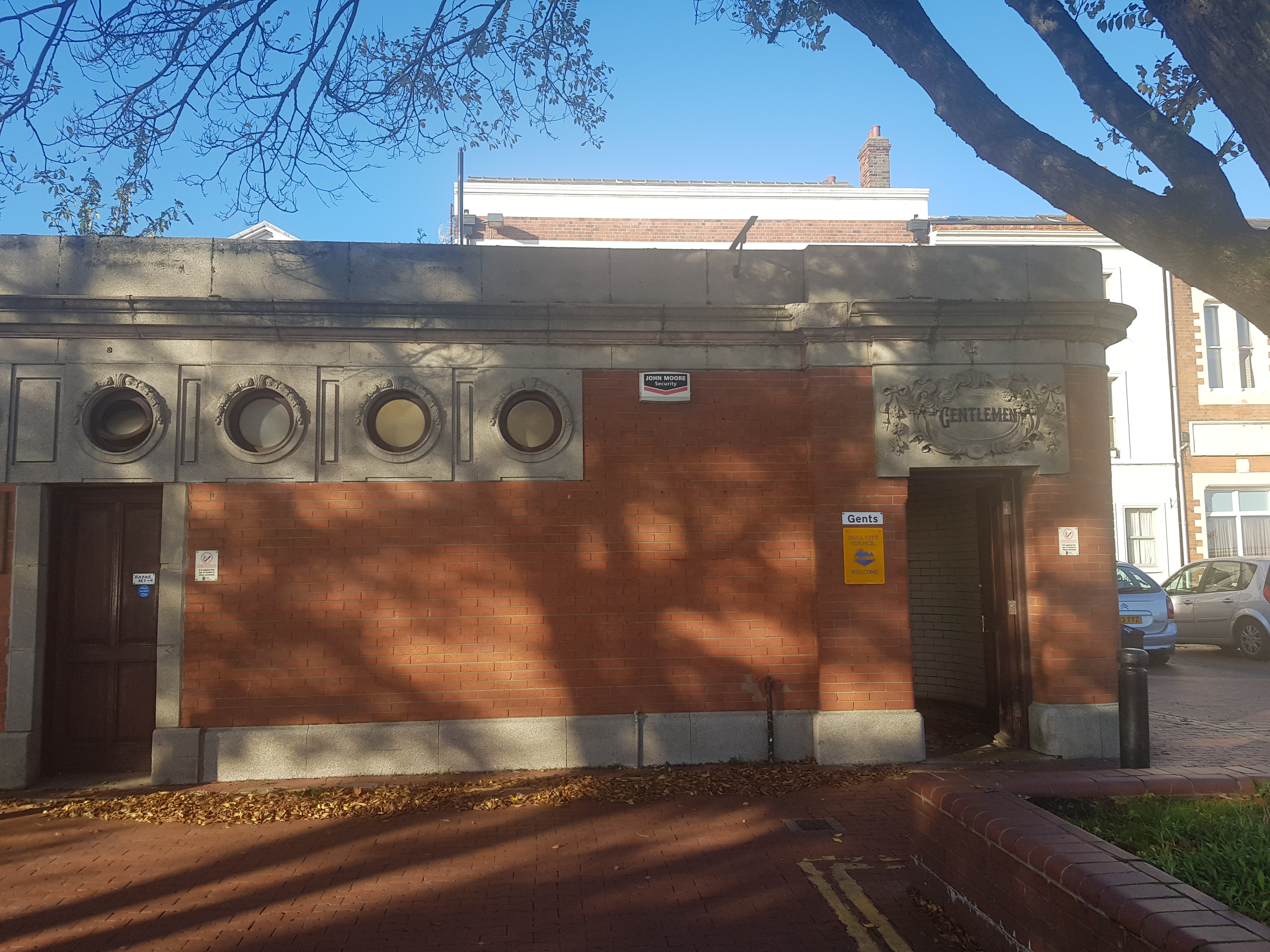
Hull – Nelson Street Toilets
I don’t normally feel the need to take photos of toilets and then upload them on-line, but I’ve made an exception here. These toilets were constructed in 1926 and they are now listed, such is their heritage. There used to be a charge to use them, but they’re now free and the attendant’s window has been closed off.

Very decorative. The toilets got some international acclaim when Lonely Planet decided to list them as one of the most important things to see in the UK. I’m not quite sure that I would have gone that far, but it’s impressive when public facilities survive undamaged.

A sink. Or as the listed building record notes with rather more details:
“Edward Johns and Co Limited, scalloped white and cobalt blue stoneware hand sink that is attached to the dividing W wall”.
How lovely.
-
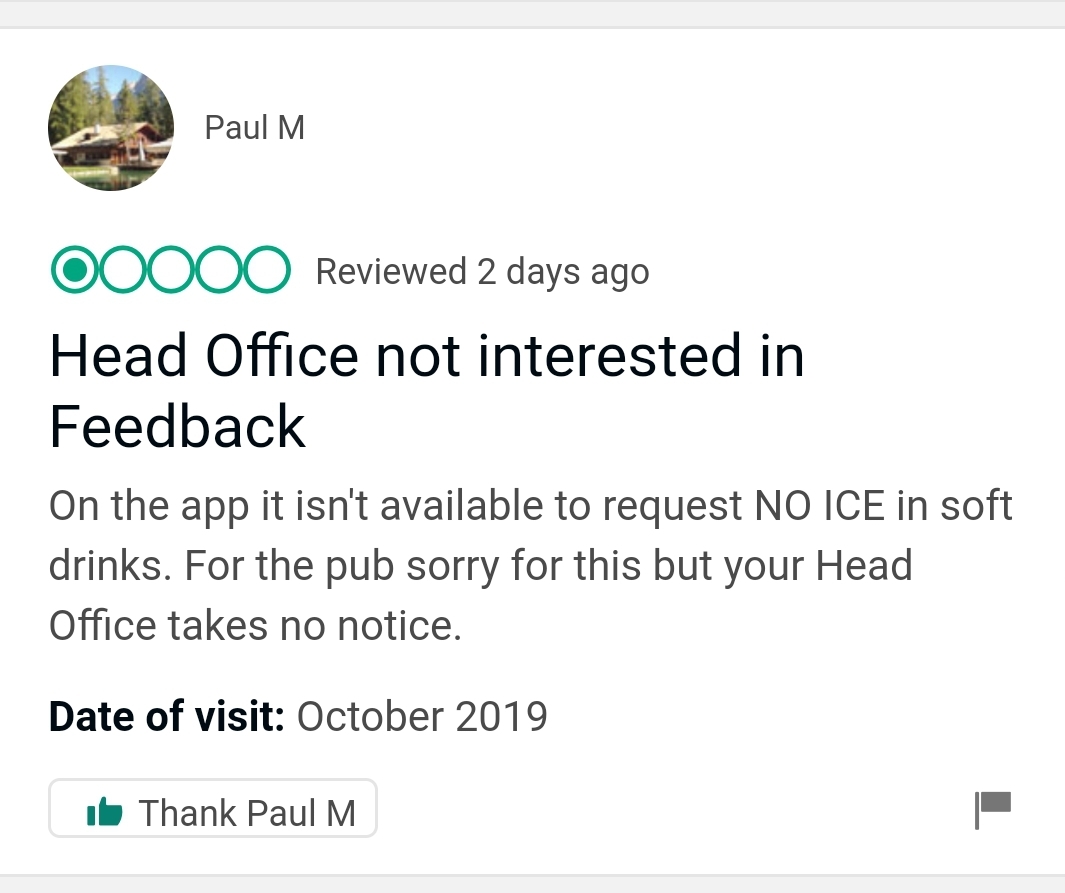
No Ice…..
This review is for a Wetherspoons in Blyth, another really helpful and detailed review on TripAdvisor so customers can judge whether they’d like to visit. Such a shame there are nearly no solutions to this, other than just ordering at the bar or taking the bloody ice out of the glass if that is somehow some huge problem.
The TripAdvisor site is nearly completely shot, I’ve reported racist reviews, reviews in the wrong place, fake reviews and none of them are ever removed. I don’t suppose Wetherspoons will worry too much about reviews like this, but they must be so soul-destroying for smaller businesses……


