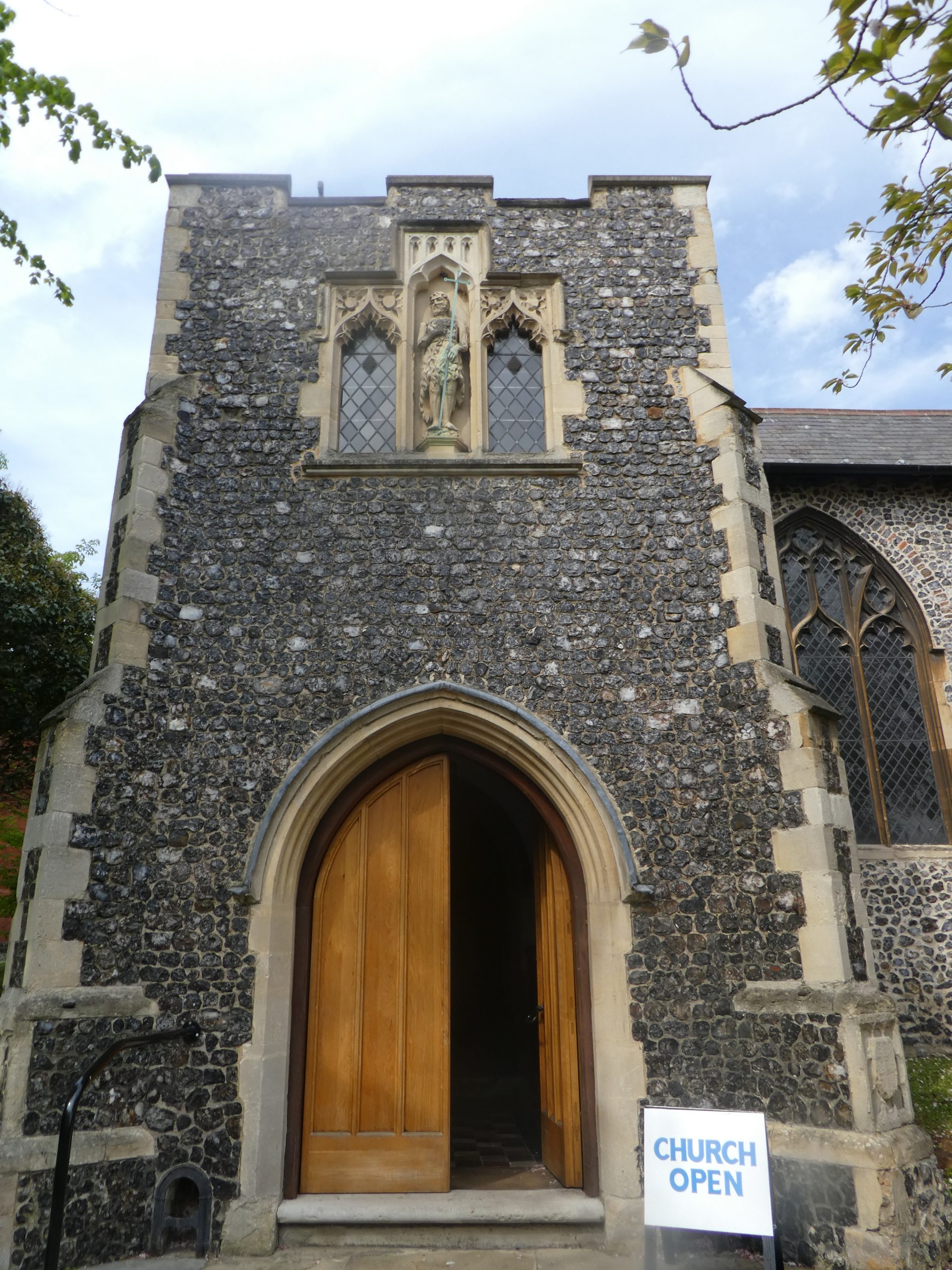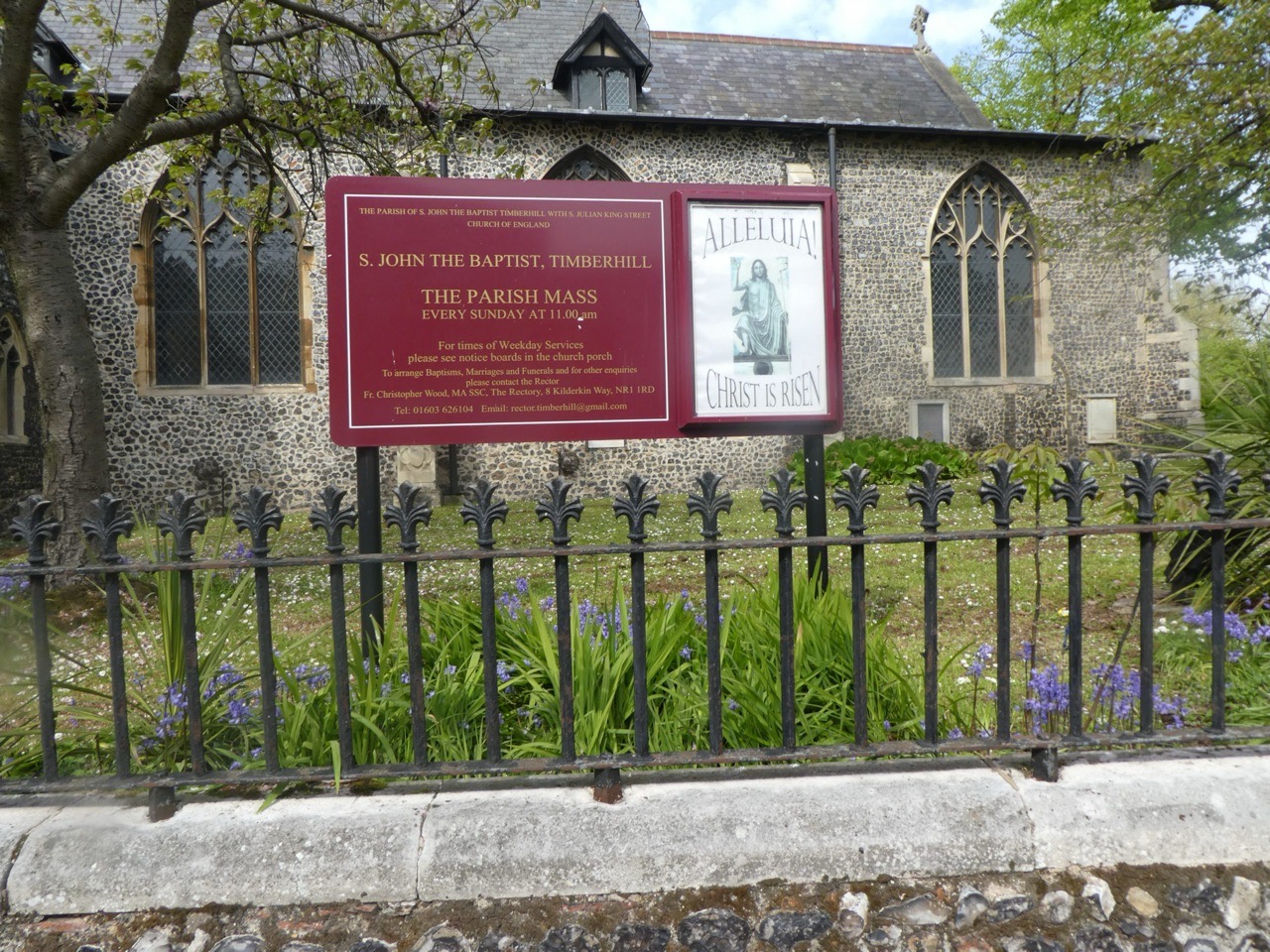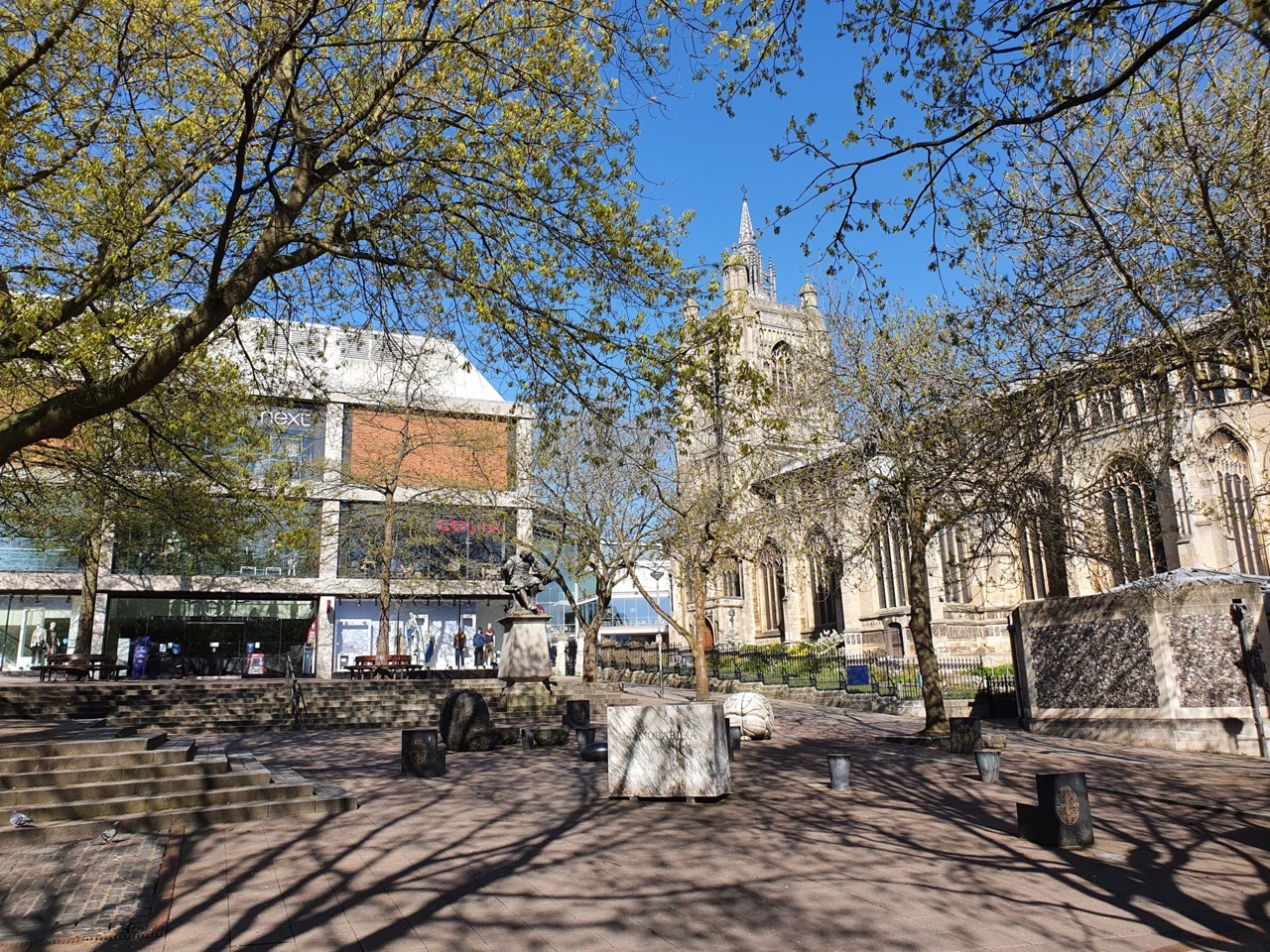
Photos from the top of the Dome of Florence Cathedral. I’ve posted separately about the climb itself.
Author: admin
-

Florence – Beer House Club
I’ve visited this craft beer pub twice over this long weekend, the first with Richard just for drinks, the second on my own for food.
The craft beer selection. Inevitably there’s a slight disappointment of seeing so many imported beers rather than locally made ones, but such is the state of the craft beer trade in Italy and there were a least a few local ones. The draught drinks list has a variety of different types of beers on it although the “great bottle selection” remained a mystery as I didn’t see any list of these. The prices were all reasonable, generally around €6 for a beer, which is in keeping with the rest of Florence.
There’s a printed beer list, which still doesn’t have the bottles listed in it.
Some of the options on draught.
The bar area, which was all clean and organised. It’s possible to order from the bar, but table service is also offered for those wanting food. There’s also an outside seating area which is covered and I can imagine that this is most acceptable during the hot summer months.
I had a large (although they call it medium as they only have two sizes, the other being small) London Stout on my first visit and a large Freeride on my second visit. The London Stout was from Young’s Brewery, it’s a beer that I know well, perfectly drinkable although not exceptional in its richness. The Freeride IPA was interesting to me as it’s from the Italian Birrificio Del Ducato brewery, fruity and quite sharp, it was quite a refreshing option.
The Greek burger which was neatly presented and was at the appropriate temperature. I wasn’t asked how I wanted my burger cooked, but it came out medium-well done, which was fine and I received everything that I expected. There was a slab of feta cheese which added some saltiness and richness, the burger was meaty with a pleasant taste, whilst the other salad elements added some texture. The chips were well salted and very moreish, indeed, I could have likely eaten many more of them.
The service was friendly throughout, there’s a relaxed feel to this bar and there was a generally younger crowd there on both my visits. I booked via The Fork, which worked well here and got me a 20% discount, so the meal came to around £10 for the drink and burger. All entirely lovely, efficient and on-trend, just what I like. For the perfect visit though, I’d like more to be made of their bottled beers.
-

Florence – Porta San Frediano
The outside of this gate, named after the now demolished nearby church, is impressive and the city is fortunate that it didn’t have idiotic local administrators who demolished it in the nineteenth or twentieth centuries. I won’t name the not inconsiderable list of UK cities where marvellous city gates and barbicans were lost. Not only that, the city still has the keys to the gate, they’re now at the Palazzo Vecchio.
The gate was constructed between 1332 and 1334 under the instruction of Andrea Pisano and it was originally designed to be even taller.
The inside of the gate, which was located on the road to Pisa and is where King Charles VIII of France entered Florence in November 1494. This was when the Medici family were expelled from the city, although they returned a generation later, with the hope that a new moral climate would engulf the city. They got Niccolò Machiavelli, so perhaps all didn’t quite go to plan there…
The original wooden doors, which it must be said are subtle little things. I’m not entirely sure why they needed to make the door so high, but there was a design element to this gate and it was meant to look impressive, so that is perhaps the answer.
-

Florence – Galleria dell’Accademia (David by Michelangelo)
This is the highlight of the Galleria dell’Accademia’s collections and this sculpture has been there since 1873. It stands at just over 5.15 metres in height, which makes the sculpture taller than I had expected after seeing it in photos. It was sculpted by Michelangelo between 1501 and 1504 using marble which had already been worked on by Antonio Rossellino and Donatello. I think it’s fair to say that they hadn’t made much impact on the marble beyond banging it about a bit, with some complaints having been made that the marble wasn’t of a very good quality.
The sculpture was originally destined to be used on Florence Cathedral, but after it was complete it was placed outside the Palazzo Vecchio on 8 September 1504, where it remained until 1873. There was quite a show on the day that the unveiling took place as it had taken the city’s authorities four days to move it half a mile, since it weighs over six tons, so the locals must have been quite excited to see what was gracing their city’s square.
Its loss from public view was a problem, so a replica was later produced and installed at the sculpture’s previous location in 1910, which is still there today.
This is a photo of the sculpture from before 1873, when it was in its original position outside the Palazzo Vecchio, with at this time the fig leaf which was placed there to ensure that was no-one was offended.
As an artwork, it is quite graceful and it’s hard to imagine the depth of artistic ability there must have been to sculpt this, as personally I can’t imagine that I’d have either the patience and dexterity to do anything even remotely like this.
-

Florence – Florence Cathedral (Facade)
The facade of Florence Cathedral is now one of the city’s many landmarks, but it has taken some time to get there. Work started on the facade in the late thirteenth century, but it never quite got finished and only one third was done. Delays and faffing (nothing changes) meant that it was still in a pretty similar state 300 years on, by which time the Medici family decided they didn’t like the design and pulled the facade down. They then started work on a new facade, but due to more faffing and confusion, this didn’t get completed either and by the mid-nineteenth century the cathedral was still without its frontage.
It’s a rather looking different frontage in the mid-nineteenth century to what stands today…..
So, what better way to get a facade started than by holding a design competition? They did this in 1864 and the competition was won by Emilio De Fabris in 1871, although it was a bit controversial….. Above are two paintings by Niccolò Barducci which are from 1883, the year that De Fabris died. They’re very similar, but they offer a choice between two Gothic designs, one in the cusped style and the other in the basilican style. It was the design on the right which was chosen and it was finally finished in 1887.
-

Florence – Palazzo Castri 1874
Richard was leaving Florence on Monday afternoon, so we thought that we’d go for one last meal in this quite lovely Italian city. The Fork booking system had worked well for us this afternoon, and the Palazzo Castri 1874 were offering 50% off food and drink for diners who were willing to have a late lunch at 14:00. This restaurant is located within a hotel, which had a beauty to it and a real sense of calm.
Richard broke the automatic door when we went in, so that wasn’t the best of first impressions, but fortunately no lasting damage was done either to the door or Richard. Such a relief that the door was free from any permanent damage. Anyway, we soldiered on and the welcome offered by the staff members was authentic and engaging.
There were gardeners in the hotel’s courtyard, which looked inviting, as well as a cat who seemed to have taken up residence. The restaurant was around half-full, having that air of being professionally run but still wanting a level of informality. I don’t like pretentious places, although Richard does, as the charm of a restaurant is it being all about the customers, not the staff acting like they’re judges in some talent competition of the diners.
Sparkling water was swiftly brought to the table and I, unusually for this weekend, decided against a drink. There was no drinks menu, although a wine list was offered on request, which seemed an omission. The hotel also calls its restaurant boutique, which the dictionary suggests is sophisticated or fashionable. I do judge restaurants on their craft beer selection, but this is Italy, it is perhaps a little unfair to dwell on that. So, I didn’t. I’m prepared to agree with the hotel though, their restaurant is boutique.
As we were waiting for the meals to arrive, Richard commented that someone’s food arrived in a plastic bag. I had a strong suspicion that he’d be getting a close-up of a similar meal shortly afterwards, which he did, as it was the sea bream fillet that I had ordered.
The sea bream was served en papillote and the cooking was perfect, even if the presentation didn’t perhaps look entirely elegant. The fish was moist, tender and oozing with the flavour of the tomatoes served underneath it, without overpowering the meat. The capers, which are one of my favourite things and I’d have them served with nearly anything if I could, added texture and the black olives were soft and rich. This was one of those dishes that I didn’t want to stop, not because I was necessarily hungry, but because it was delightful.
The potatoes which came with the sea bream were soft (bar one which was a little hard, but I won’t dwell), perhaps slightly buttery and they had a crisp edge to them.
Richard’s antipasti of cured meats, cheeses, honey, jam and walnuts. He was pleased with this selection, although I suspect that he was right about the lack of sun-dried tomatoes being unfortunate, but everything on the plate was of a high quality and had a richness of taste. The honey, which I think it’s fair to say that Richard was moderately sceptical about, was a delight with the cheese.
My caffe latte, which I think was served too hot, it’s rare to get it so hot on mainland Europe (it’s very easy to find that in the UK) that it’s hard to even hold the glass, but this one was. The richness of taste wasn’t there, but it tasted fine and Richard enjoyed his first experience of an Italian coffee in Italy.
Then the bill came, which was just under £19 for one wine, one bottle of sparkling water, two mains and two coffees, with the restaurant generously not charging a coperto (a cover charge) despite providing two baskets of bread. I think that’s it fair to say that this is excellent value for money, making it just a little unfair to even mention any negatives. I left being reminded that there’s a world of hotels other than Accor and just a little disappointed that I had to leave.
-

Florence – Uffizi Gallery (Saint Luke the Evangelist)
The provenance of the artworks in the Uffizi is quite outstanding, although it’s not known which Franciscan church in Florence this was originally painted for. It was painted in around 1280 to 1290 and there’s a Poor Clare and a Franciscan friar at the saint’s feet. It was moved to Church of SS. Annunziata in the city at some stage, where it remained until 1881 when it came to the Uffizi Gallery. It was on display there until 1936, when it was moved to the Accademia Gallery.
The painting arrived at Montegufoni Castle on 19 November 1942, taken there to protect it from damage or theft during the Second World War. It returned to the Accademia Gallery on 19 July 1945 and was moved to the Uffizi Gallery in August 1948, where it has remained since. It has been restored twice in the twentieth century and is now in Room 1 of the gallery’s collections. The artwork’s frame is original and it has vibrant colours, although how much of that is due to the restorations I’ll never know…..
-
Florence – There’s a Lot Here…..
Richard has now arrived in Florence, ready to partake in some culture and history. I’ve already visited getting on for 15 museums and galleries and I think I have enough photos to ensure that I have something to write about for some considerable time….. But what a rather lovely city, history at every corner and it’s just about tolerable and comfortable in terms of how busy it is here and also the temperature. However, it’s February and I can only begin to imagine what it must be like during the summer months…
-

Florence – Uffizi Gallery (Madonna Pisa)
When I was in the National Gallery of Art in Bucharest last week I struggled on occasion to find out much about the artworks, either at the site or on-line. The Uffizi Gallery is the reverse, hundreds of their works have their own Wikipedia pages, research documents and endless commentaries about their heritage.
This artwork was painted between 1250 and 1260, although some think it’s very slightly later, although it’s not known who the creator was, but it may have been Maestro della Sant’Agata. The painting is named after Luigi Pisa, who was a previous owner of the work, and whose heirs gave it to the Uffizi Gallery in 1933 and it has been on display since 1948.
This was how the painting looked before 2015, in its unrestored state. Personally, as a non-art expert, I prefer this to how it looks now, it has heritage, authenticity and a sense of history to it. The current heavily restored painting is almost faultless, but I’m sure many like seeing how it might once have looked and it’s certainly now much cleaner.
The Virgin Mary has long fingers and the gaze of Jesus and his mother deliberately don’t meet. The painting is in Room 1 of the Uffizi, a newly re-opened room which houses some of the oldest paintings which have mostly been recently restored.