Author: admin

  • Hotels.com and Why It’s Probably Best to Book Direct

    Hotels.com and Why It’s Probably Best to Book Direct

    One of the biggest problems that the hospitality industry has over the next few months is gaining the trust of guests in terms of their cleanliness, their operations and their financial security. So, I’ve merrily been posting about hotels who have treated me with professionalism over refunds, as I’ll return once this is all over. One hotel that gave me some problems was the Hampton by Hilton in Bristol, with this timeline of confusion:

    18/02/2020 – Reservation made for hotel
    26/03/2020 – Reservation cancelled by hotel, full refund confirmed and would be processed immediately
    15/04/2020 – Hotels.com say hotel is now offering voucher only
    15/04/2020 – Hotels.com say this is in error, a refund will be offered
    06/05/2020 – Hotels.com say they are not currently authorised to offer a refund
    17/05/2020 – Speak to hotels.com, they say they need to refer internally and get back to the hotel
    24/05/2020 – Hotels.com confirm Hampton by Hilton have refused to allow them to refund

    The refund in itself wasn’t much of a problem, there is lots else for hotels to focus on in the world, but it was clear that either Hampton by Hilton or hotels.com was telling me complete nonsense. A delay in refunding is fine, but this playing one off against the other for two months was a little frustrating. And, although small fry, I had posted that Hampton by Hilton had acted professionally back in March 2020 and over 1,000 people had read that (I had trusted the refund e-mail), so I felt that I’d misled people.

    So, on 27 May 2020, I just asked the press offices of hotels.com and Hampton by Hilton to investigate. Then it became apparent to me exactly who was acting with professionalism and who wasn’t.

    E-mails to hotels.com on 27 May and 1 June 2020 asking for the press office to become involved were ignored. No response at all, nothing, so not even the phone number of the press office. Incidentally, the web address provided by hotels.com’s web-site for the press office, http://press.hotels.com/, doesn’t even work. And, I can see why Expedia, who own the company, might well hide their press office details, given the state of https://www.trustpilot.com/review/www.hotels.com.

    An e-mail to Hampton by Hilton received a swift acknowledgement, a holding e-mail, an investigation and a reply on 3 June 2020. Their reply was professional, to the point and confirmed to Hampton by Hilton that hotels.com had agreed they should be refunding and they themselves would get in touch with regards to this refund. Apologetic, timely and helpful, it was clear that Hampton by Hilton were acting with respect.

    It’s three days on, and I can’t exactly imagine hotels.com are going to rush to respond, but this is a reminder that booking directly with hotel companies is now much safer in terms of receiving refunds and having that direct contact. Hotels.com take a fair chunk of commission from hotels and in all fairness to Hampton by Hilton, they should be very disappointed in what they’re receiving (my words, not theirs).

    I’ve had around 440 nights booked through hotels.com over the last nine years, but I’ll be using my rewards nights up and won’t use them again after those nights are used. So, the best advice really is just book direct and get the best price and take advantage of the hotel’s own loyalty scheme. Or, perhaps, for those who really want to use an aggregator site, just use booking.com.
  • Mulbarton – Name Origin

    Mulbarton – Name Origin

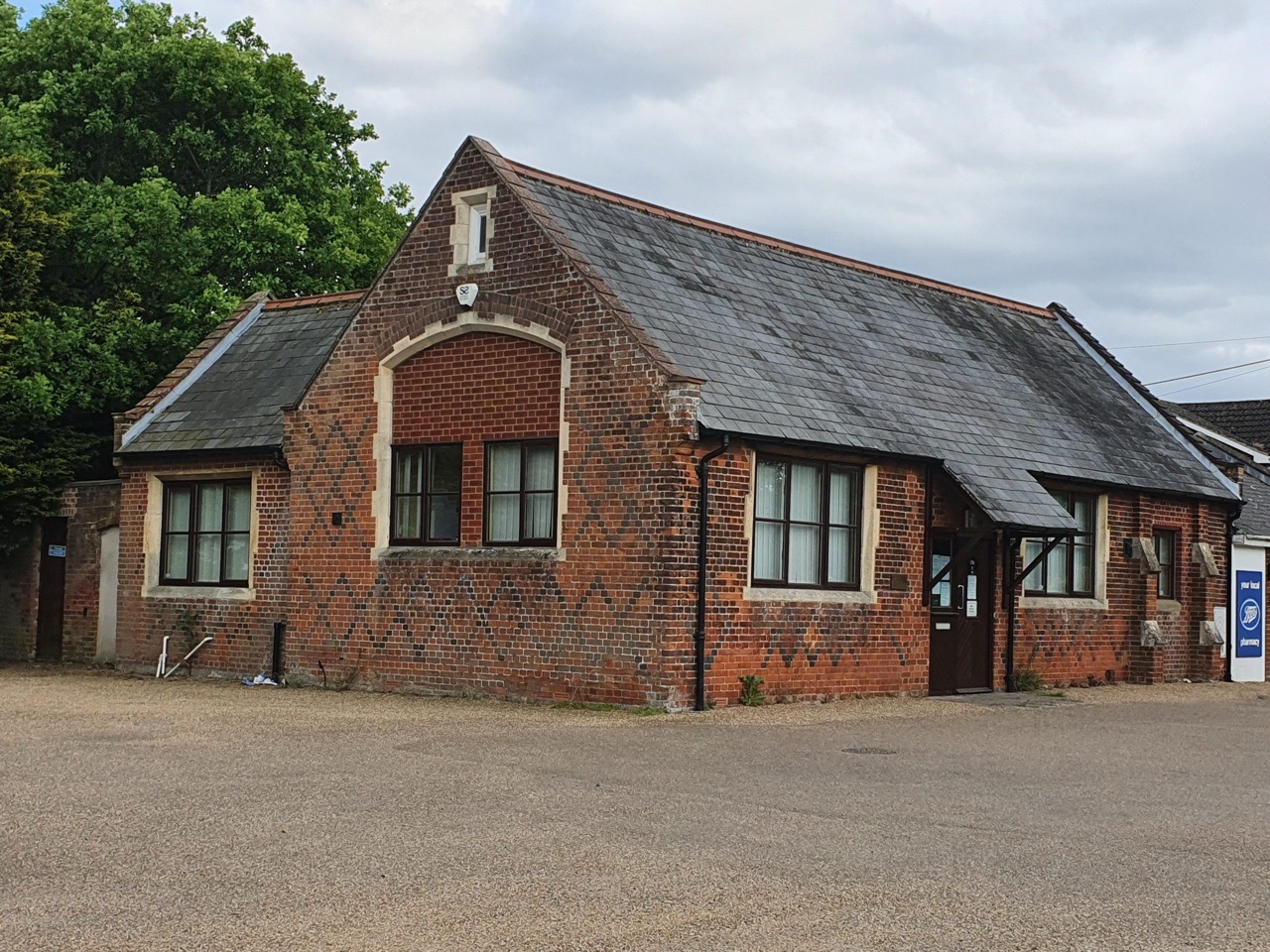
    Harking back to our second training walk, we headed towards Mulbarton and the village’s only remaining medieval building is the church. The Concise Oxford Dictionary comments on the origins of the village name:

    Mulbarton, Norfolk. Molkebertuna in Saxon period, Molkebertestuna in Domesday Book, Mulkebertun in 1250. Comes from Meolc-beretun, meaning outlying dairy farm.

    According to the same dictionary, the ‘eo’ often became ‘o’ or ‘u’ because they sounded similar. The ‘molke’ section is milk, similar to the current Dutch word and derived from the German ‘milch’.

  • Norwich – Coast to Coast

    Norwich – Coast to Coast

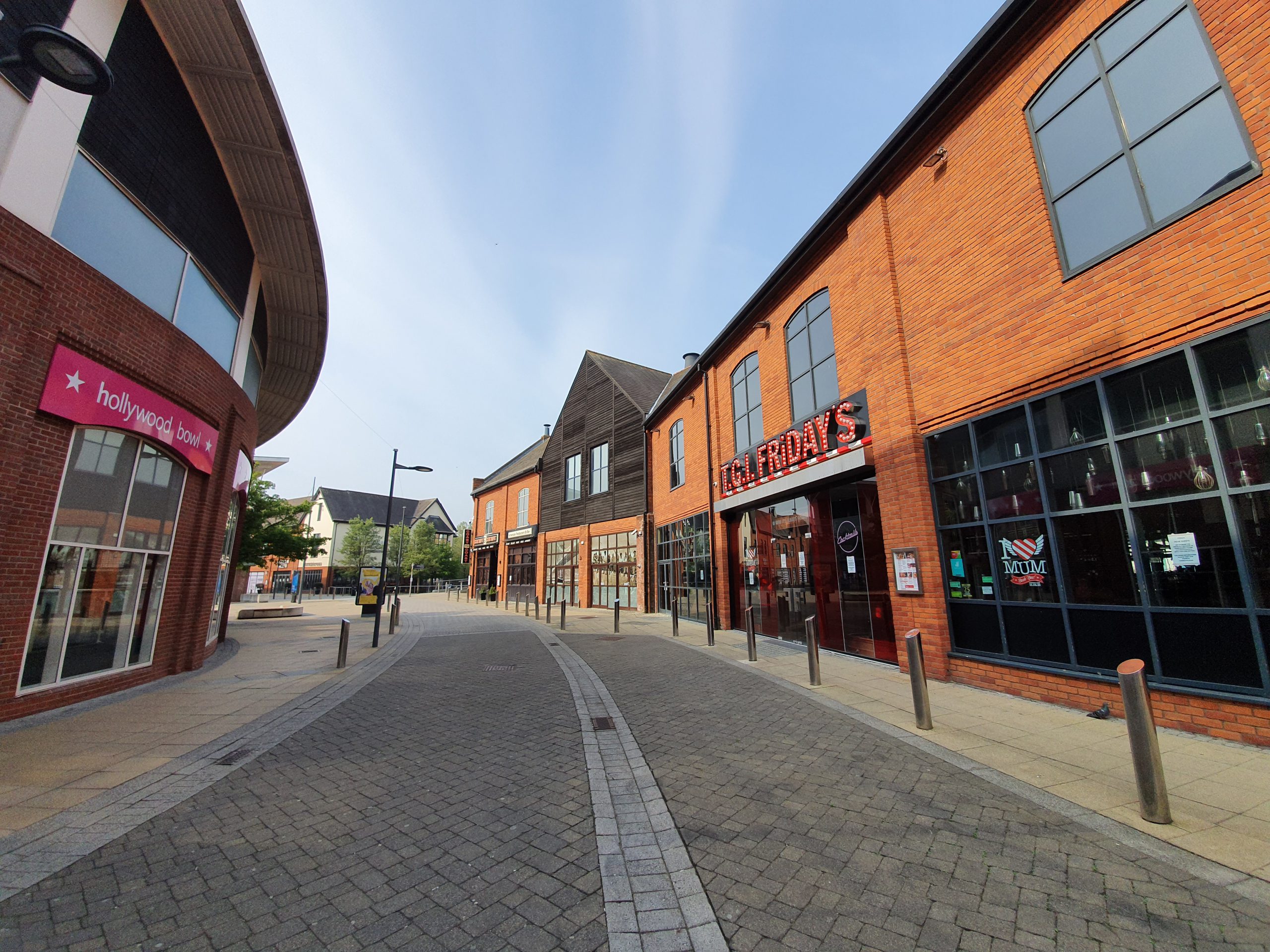
    Sad to hear that Coast to Coast, located to the left of TGI Fridays in the above photo, is closing permanently in Norwich. They bemused me, they were becoming popular locally and their reviews were positive. But they were for months deluging out offers whereby anyone who had a Tastecard, Gourmet Society card or voucher could get 50% off of food. If you were a diner who went in without those cards, you were getting charged twice the amount of everyone else and I’m not sure how that could ever end well.

    They can run their restaurant how they wanted, but why they devalued their product so much never quite made sense to me. Anyway, I hope the space is used for a large Greggs, constantly good value without gimmicks.

  • Bath – Bath Abbey (Clock)

    Bath – Bath Abbey (Clock)

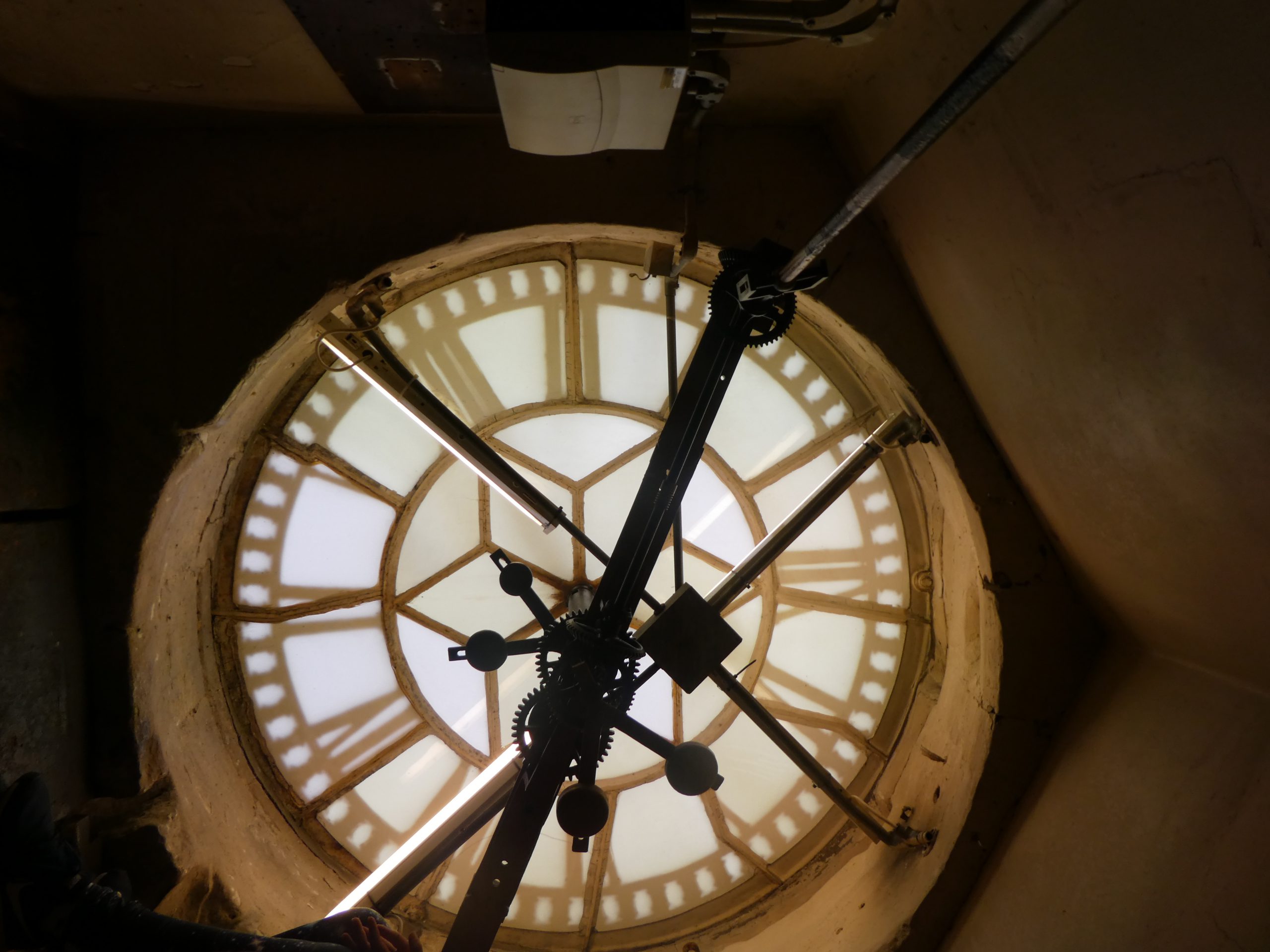
    As part of a tour of Bath Abbey, there’s the chance to see the inside of the clock. There are two small benches so people can sit by the clock for a few minutes, although the guide gave several warnings to not touch anything connected to the clock, which seemed sensible advice.

    Located on the north side of the building, the abbey’s clock, which belongs to the people of Bath, was moved here in 1834 after being lowered from a previous position when the structure of the tower looked a bit unstable. It was originally once backlit by gas to ensure that it was visible at night, but electricity has made that much easier.

    The advent of the railways brought problems to time-keeping in UK cities, as they often had slightly different times and this was problematic when trying to run a railway. Before the railways, no-one much minded if Bristol and Bath were running at different times by five-minutes, but what became known as ‘railway time’ required some standardisation. Bath did this by in 1845 installing a band of metal on the clock which would show railway time. Scaffolding was put up to ensure this addition could be made, although I wonder why Bath didn’t just keep railway time to keep things simple.

    The clock looks relatively small in the above photo, but that’s deceptive, and in 1926, the Bath Chronicle wrote about a refurbishment of the clock. They noted:

    “The diamond-shaped aperture in the face of the clock is due to having been removed in order that the hands might be disconnected. From the ground it does not look more than big enough for more than a fist to emerge, but that is deceptive as George Willis [the man in charge of the project] was able to project his head and shoulders through the opening. The minute hand is 3 feet long, and the hour hand 1 foot 10 inches in length. They revolve on a face having a diameter of 6 feet”.

    https://commons.wikimedia.org/wiki/File:Bath_Abbey.002_-_Bath.jpg

    And here’s a photo of the clock from the outside.

  • Thorpe (Norwich) – St. Andrew’s Hospital Graveyard and Polish Community Memorial

    Thorpe (Norwich) – St. Andrew’s Hospital Graveyard and Polish Community Memorial

    Although now hidden away in the middle of Broadland Business Park near Thorpe, this cemetery was once in a quiet and remote area near to St. Andrew’s Hospital. The hospital itself was opened in 1814, when known as Norfolk County Asylum, and it remained in use as a mental health hospital until 1998.

    This area was used as a graveyard from 1859 until 1966, replacing another site that had been used for burials between 1814 and 1859. This original site had been a little erratic, with burials inside the confines of the main hospital buildings and all of the burial records from that time have been lost.

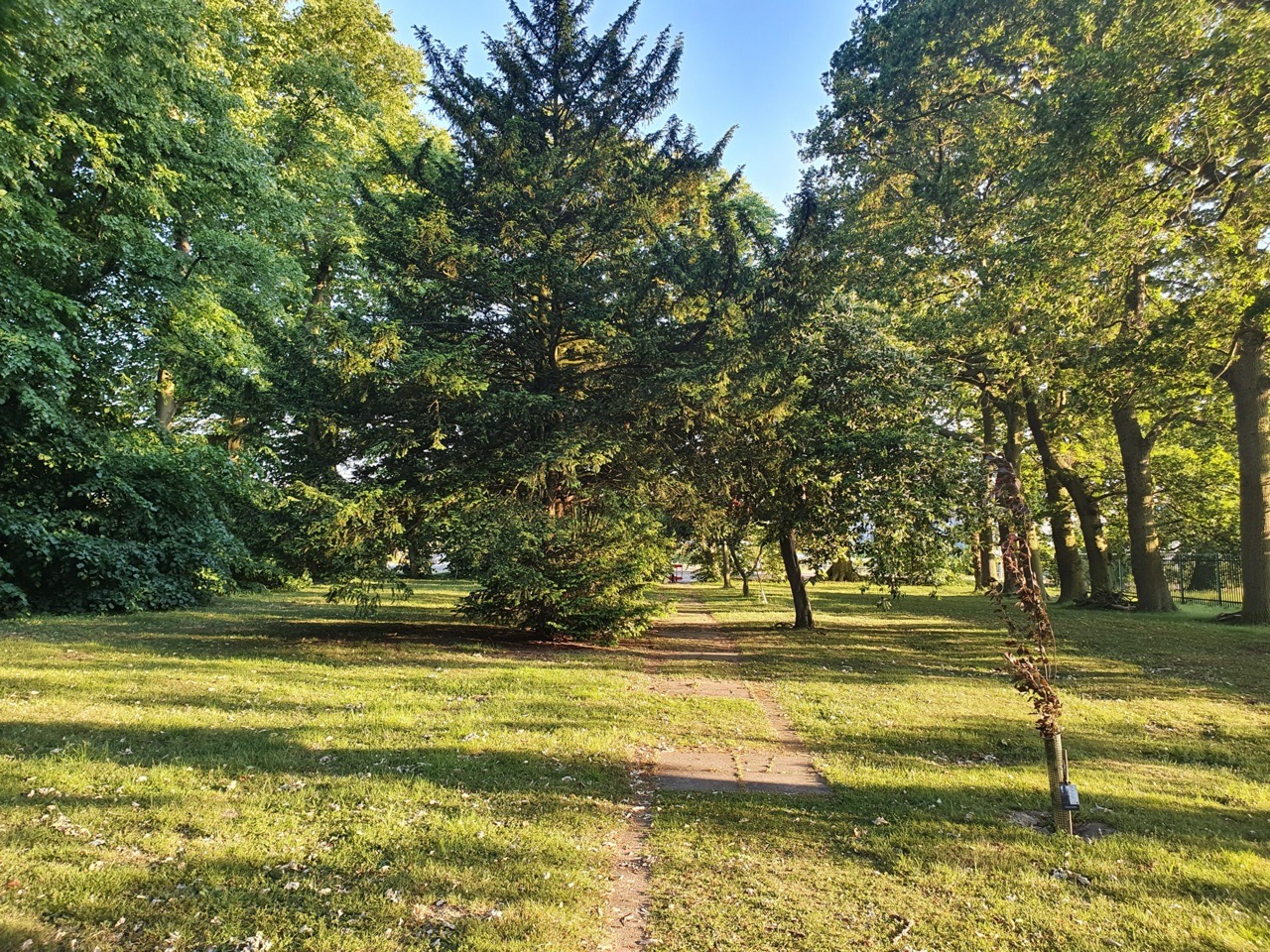
    The trees give the area some solitude and there’s paving which winds to the memorial stone in the centre of the site.

    The memorial, which is also in remembrance of the Polish Community, many of who came to the building during the Second World War when it was used as a military hospital. There are three Poles buried here, who are remembered with memorial stones. There was once a small memorial chapel on this site, although it has long since been demolished.

    The text on the memorial, with over 1,400 people thought to have been buried here when it was a mental health institution. Tragically, the hospital board made a disgraceful decision in 1968, against advice, to flog off for scrap all of the metal discs which marked where the burials were located, including the three Poles. There are burial records and a map, so anyone could work out approximately where each burial is located, but unfortunately, nothing is now marked.

  • Dictionary of the Vulgar Tongue – Day Seventy-Nine

    Dictionary of the Vulgar Tongue – Day Seventy-Nine

    The Dictionary of the Vulgar Tongue was first published at the end of the eighteenth century, and given that the Coronavirus crisis is giving too much time to read books, I thought I’d pick a daily word from it until I got bored…..

    Cloak Twitchers

    There’s a sense of vibrancy to this phrase, defined in the dictionary as “rogues who lurk about the entrances into dark alleys, and bye-lanes, to snatch cloaks from the shoulders of passengers”. They were listed as 33rd in the “order of villains”, which was a list of how criminals were respected within the canting community and the phrase dates from at least the late seventeenth century. The word twitcher is probably best used to describe bird-watchers now, but it was originally defined as “to give a sharp tug”. I can imagine this being a profitable exercise in the dimly lit and narrow streets that once existed in many towns and cities across the country.

  • Simon Roper and his Youtube Videos

    Simon Roper and his Youtube Videos

    For anyone interested in linguistics and the evolution of language, Simon Roper is producing some detailed and accessible videos. Their production quality is perhaps as basic as can be, which absolutely adds to the whole thing, he’s got a very informal style. If they ever brought something like Time Team back, he should present it.

  • Group Walking is Back…..

    Group Walking is Back…..

    At least for me, yesterday was the chance to go on a small group walk for the first time since March. All socially distanced, just a small group of under the maximum allowed and all professionally-led (since I wasn’t leading it).

    An intriguing tree…..

    The walk went around Thorpe marshes at first, which is where most of the photos below are from. I’ve neglected walking this area as I had forgotten about it, which isn’t much of an excuse, but it was peaceful and I’m not sure many people are aware of the walking options around there.

    There’s a photo of a deer drinking on the other side of the river, which I hoped was a Chinese water deer given there are lots around there, which were introduced from China in the nineteenth century. I’ve been told it’s a Muntjac though, but nonetheless, it still looked sweet and innocent.

    Anyway, the photos…..


  • Bath – Smallcombe and Views Over City

    Bath – Smallcombe and Views Over City

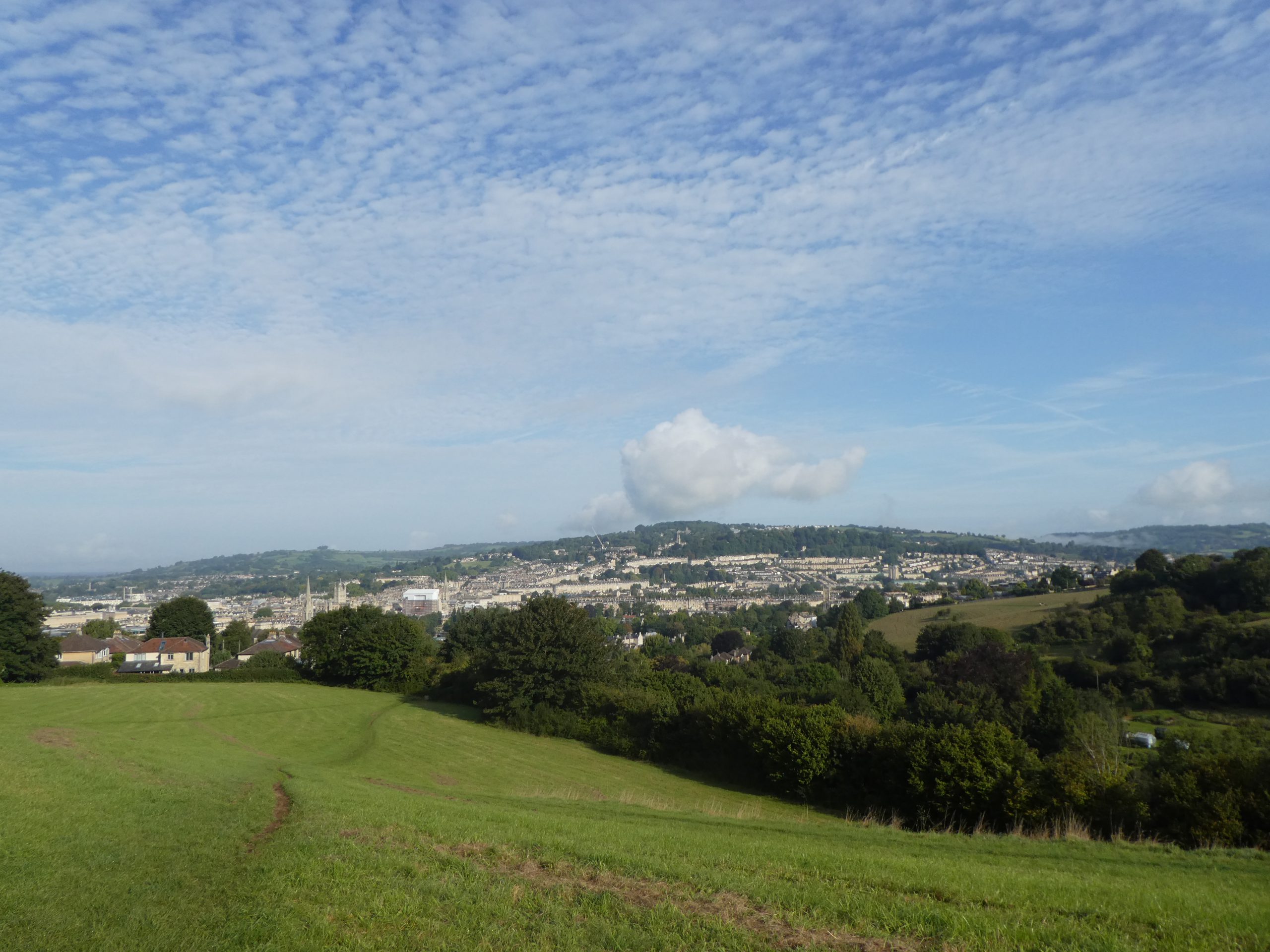
    Just photos, of my walk down the hill from Bath University into the city centre a few years ago. There’s a peacefulness that is surprising from being so close to the centre of a city and fortunately, Bath has retained a large amount of greenery around it, without urban sprawl destroying its tranquility.

    The National Trust sign at the entrance to the walk at Smallcombe, which is all part of the Bath Skyline Walk.

    I liked the whole concept of the community nuttery.

  • Dictionary of the Vulgar Tongue – Day Seventy-Eight

    Dictionary of the Vulgar Tongue – Day Seventy-Eight

    The Dictionary of the Vulgar Tongue was first published at the end of the eighteenth century, and given that the Coronavirus crisis is giving too much time to read books, I thought I’d pick a daily word from it until I got bored…..

    Cleymes

    There’s not much to be written about this word, which is defined as “artificial sores, made by beggars to excite charity”, although it’s of note perhaps that this practice has been going on for hundreds of years. The word origins are unknown, one dictionary says that it’s a London slang for ‘claim’, as in to make a claim on someone’s pity. The word was used between at least the mid-sixteenth and early-nineteenth centuries and a similar phrase used during the same period was “sham sores”.