Author: admin

  • King’s Lynn – The Norfolk Dumplin

    King’s Lynn – The Norfolk Dumplin

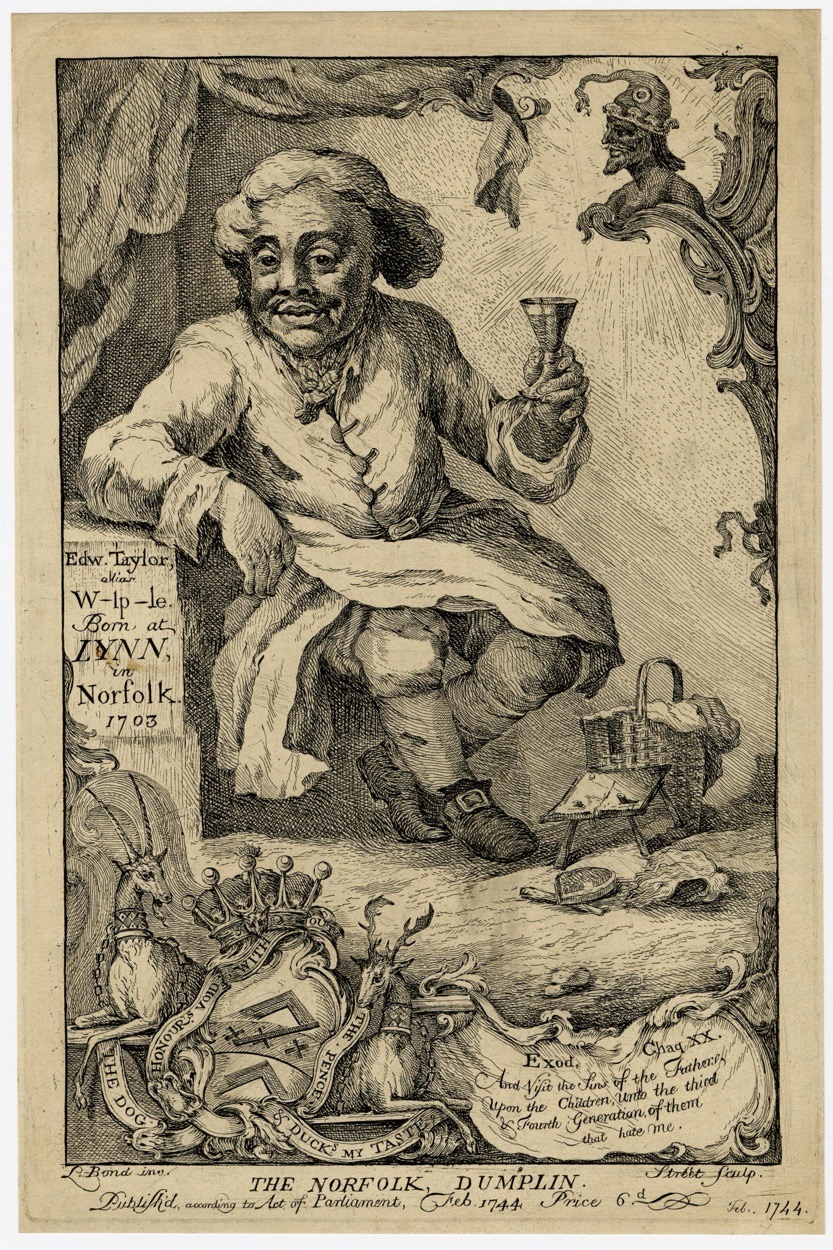
    Whilst looking at something else about King’s Lynn, I noticed this print (© The Trustees of the British Museum) in the collections of the British Museum.

    This moderately bizarre image (click on the image to make it bigger) is an attack on Robert Walpole (1676-1745), and suggests that Edward Taylor was an illegitimate child of Walpole. I’m still slightly surprised, as this trick was commonly used in electioneering at the time, that the law allowed “W-lp-le” to hide the fact that the creator of the image wanted to highlight that he was referring to “Walpole”. Walpole, effectively the country’s first Prime Minister, was known to have had other mistresses, so the allegations aren’t necessarily false. The connection to King’s Lynn is that Edward Taylor was born in the town in 1703.

    It’s not known who created the illustration, but it is dated to 1744 and the British Museum acquired it in 1868 from the estate of Edward Hawkins, a long-time curator of the museum. The term ‘Norfolk dumpling’ usually refers to someone who is a bit dense, although it’s also a culinary treat….
  • Dictionary of the Vulgar Tongue – Day 105

    Dictionary of the Vulgar Tongue – Day 105

    The Dictionary of the Vulgar Tongue was first published at the end of the eighteenth century, and given that the current health crisis is giving too much time to read books, I thought I’d pick a daily word from it until I got bored….

    Dog Latin

    There’s some imagery than readers of the dictionary can probably picture here after seeing the definition, which is “barbarous Latin, such as was formerly used by the lawyers in their pleadings”. Other dictionaries also mention that this was a similar issue with some vicars in the church during their sermons mauling Latin about.

    But the legal element here continues, with what is now called Law Latin. This is where significant parts of the British law and legal opinions were written in a Latin which was partly made-up by trying to translate English back into Latin. This led to a situation where for a period in the medieval period there were court cases using French (and tens of legal words used in British courts still today have French origins), English and Latin, so it’s not entirely surprising that the results were a little mixed.

  • King’s Lynn – Etching by Henry James Stuart Brown from West Lynn

    King’s Lynn – Etching by Henry James Stuart Brown from West Lynn

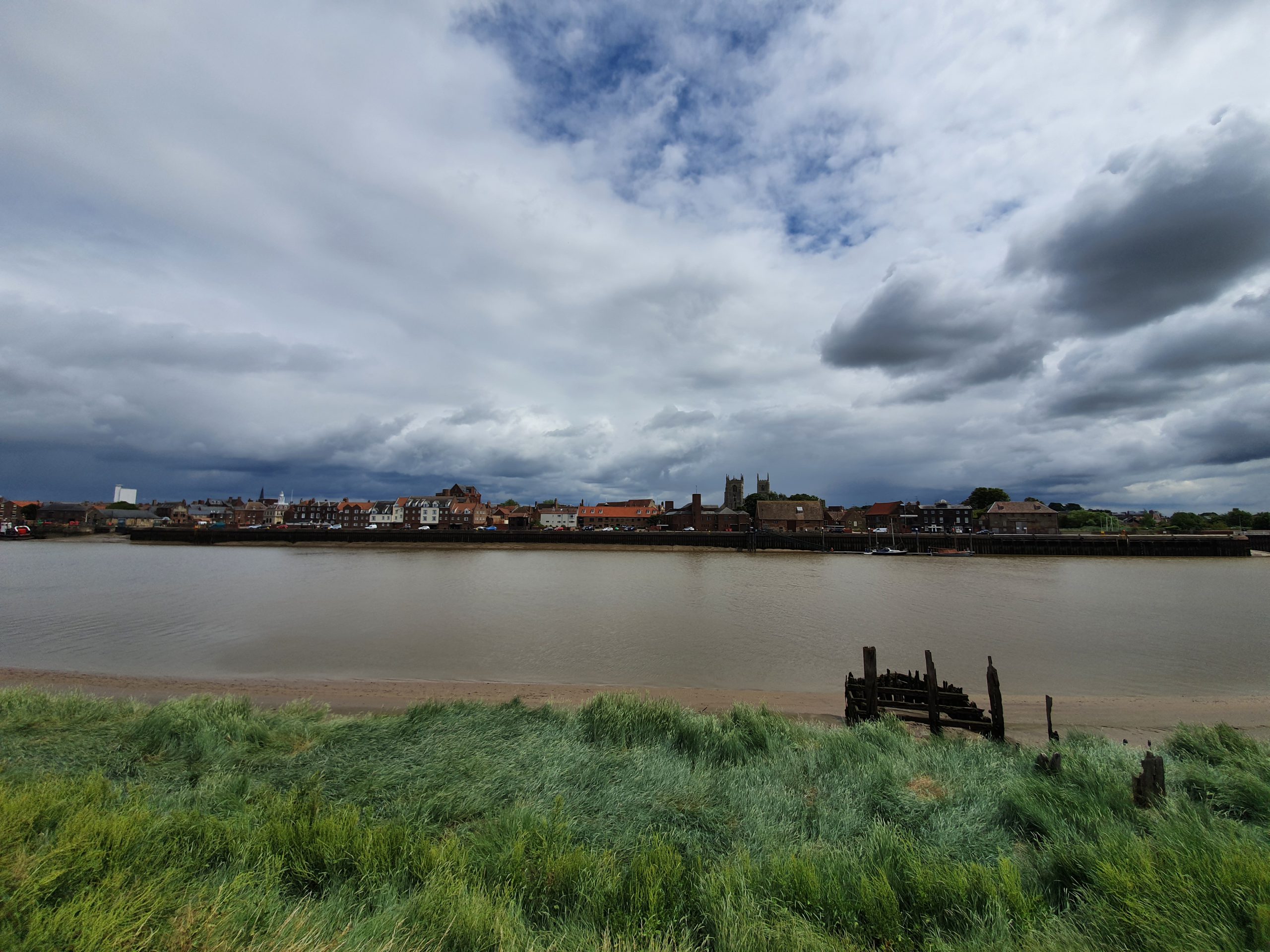
    Yesterday, I posted some photos of King’s Lynn which were taken from West Lynn.

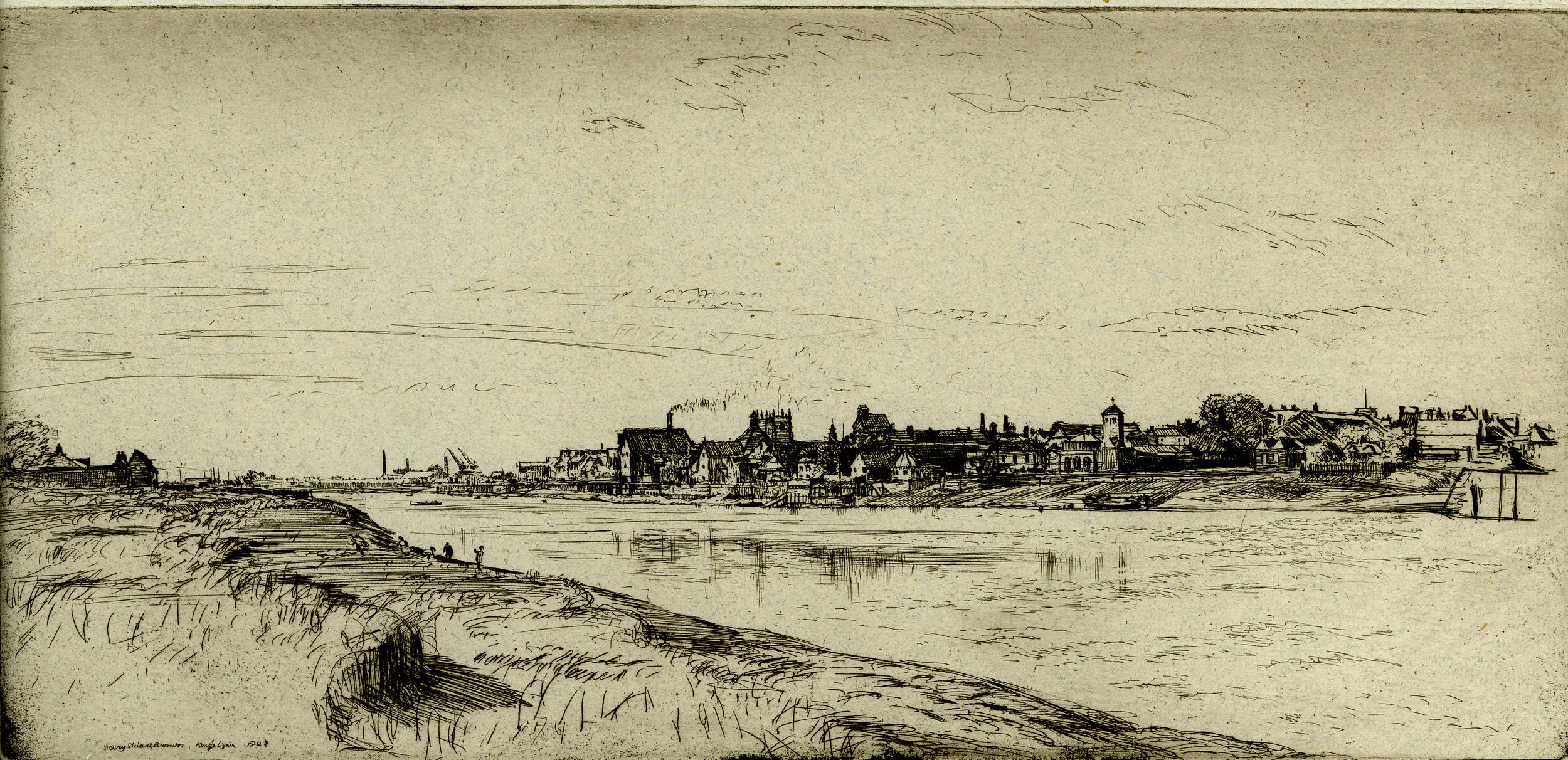
    This 1928 etching (© The Trustees of the British Museum) was drawn from along the riverbank of West Lynn and shows the main buildings in King’s Lynn. It was drawn by Henry James Stuart Brown (1871-1941) who was known for this style of drawing and although he was overlooked during his own lifetime, his works have become much more collectable in recent years. He made numerous etchings in this part of the country and the British Museum have a relatively substantial collection of his prints, with Brown donating this work to the museum in 1930.

  • King’s Lynn – Whitefriar’s Gate Etching by William Taylor and William Pickford

    King’s Lynn – Whitefriar’s Gate Etching by William Taylor and William Pickford

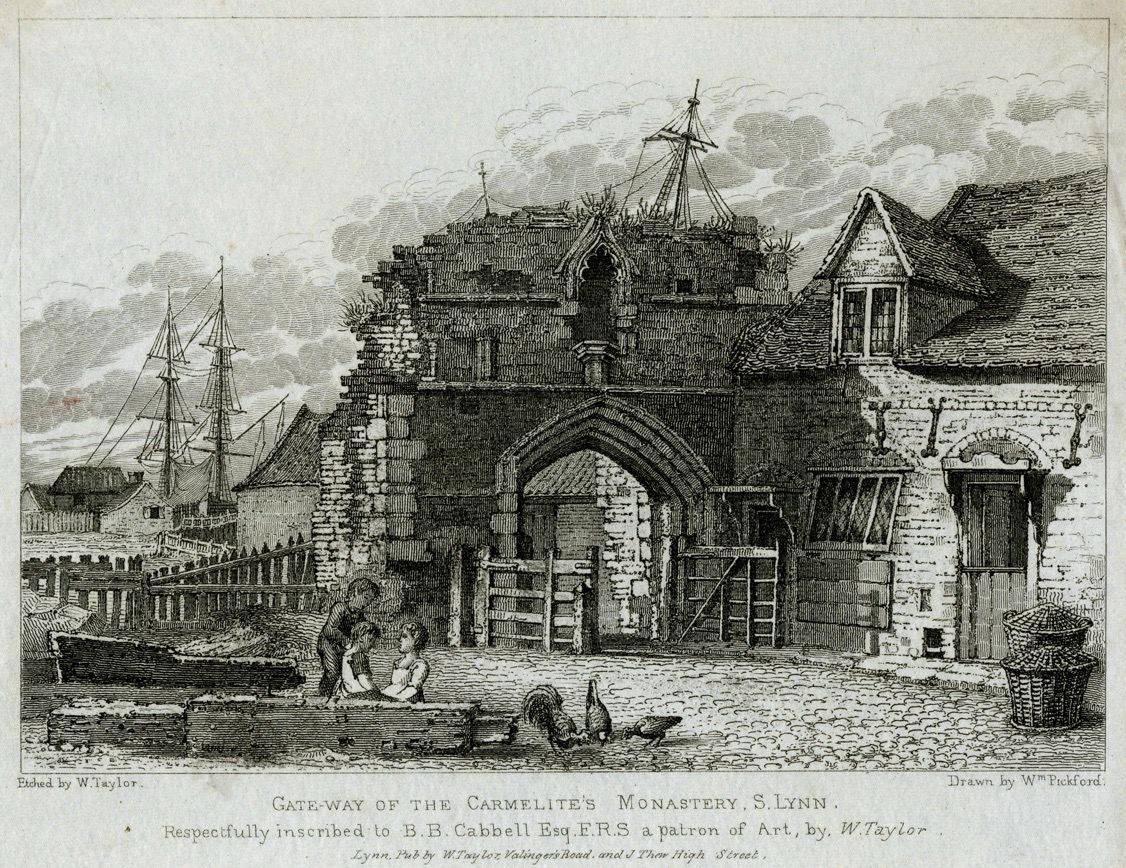
    I posted about the Whitefriar’s Gate, or Carmelite Gate, yesterday, and today I found this etching in the on-line collections of the British Museum (© The Trustees of the British Museum).

    Dating from 1843, it’s quite atmospheric with children playing and chickens eating, and it couldn’t be much more different than the surroundings of the gate today, which is just quite a lot of barrenness. The image was drawn by William Pickford and was etched by William Taylor, with Taylor also being the publisher of the image. The plate isn’t on display at the British Museum, but they’ve owned it since 1876 when they purchased it from the art dealer Robert Jackson.

  • West Lynn – St. Peter’s Church

    West Lynn – St. Peter’s Church

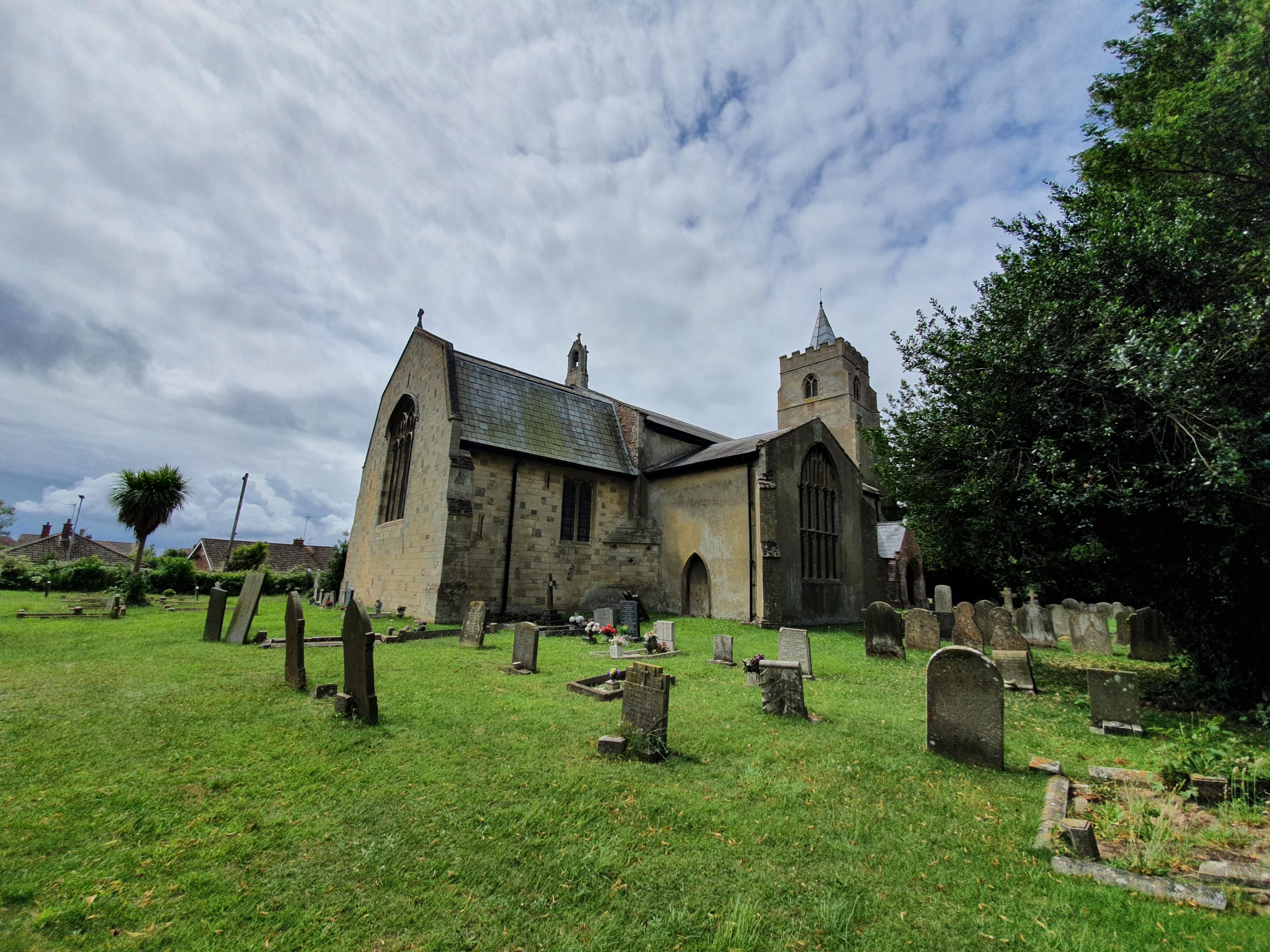
    There has been a church in West Lynn since the late Saxon times, but it appears that the previous one was badly damaged by flooding and a decision was made in 1271 to abandon it. This means that this church was built in the 1270s, likely using materials from the previous church, and the tower is from the fourteenth century. There were reconstructions during the fifteenth century and the chancel is a more modern rebuild, from 1934.

    The four-stage west tower.

    The tower and the north porch.

    The south porch.

    The churchyard, with the chancel visible at the east of the church which looks quite squat, but which was once a little longer. In the early nineteenth century, a local author noted that the chancel was roofed with reeds, whilst the main church was roofed with lead, which would explain why that section became harder to look after.

    The church did appear to be open when I visited, but given the current health situation I think they were trying to provide somewhere from locals to pray quietly rather than have people traipsing around looking at the older monuments, so I’ll go back at a more opportune time in the future.

  • King’s Lynn – Vandalism and Shopping Trolleys

    King’s Lynn – Vandalism and Shopping Trolleys

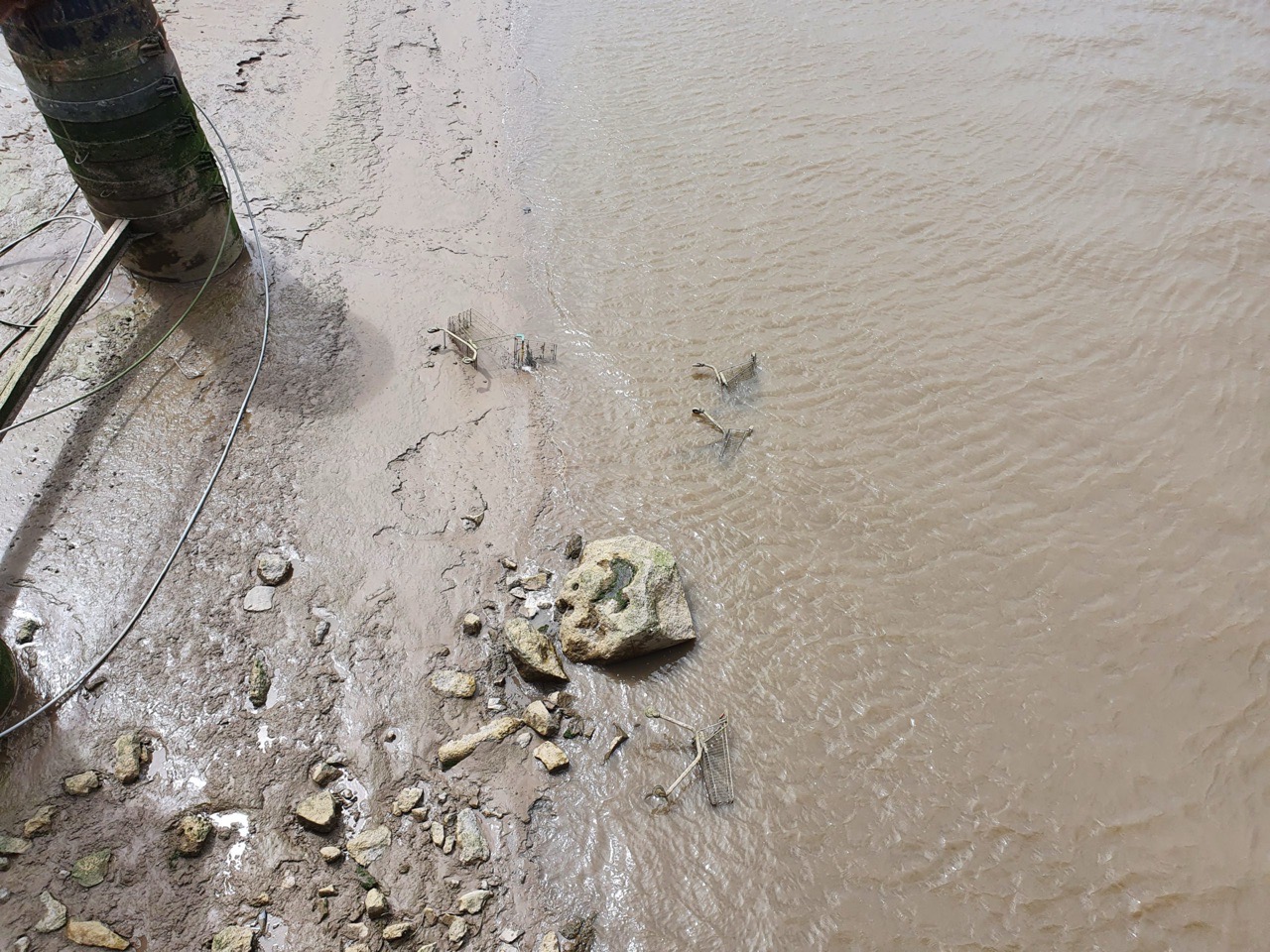
    Unfortunately, King’s Lynn appears to have been hit with a wave of vandalism and crime over recent weeks judging by the newspapers. And, this week someone smashed a load of new trees in one of the town’s parks, meaning they have to be dug up and removed.

    There are also countless shopping trolleys dumped in the River Great Ouse.

  • King’s Lynn – Former A47 Road Bridge

    King’s Lynn – Former A47 Road Bridge

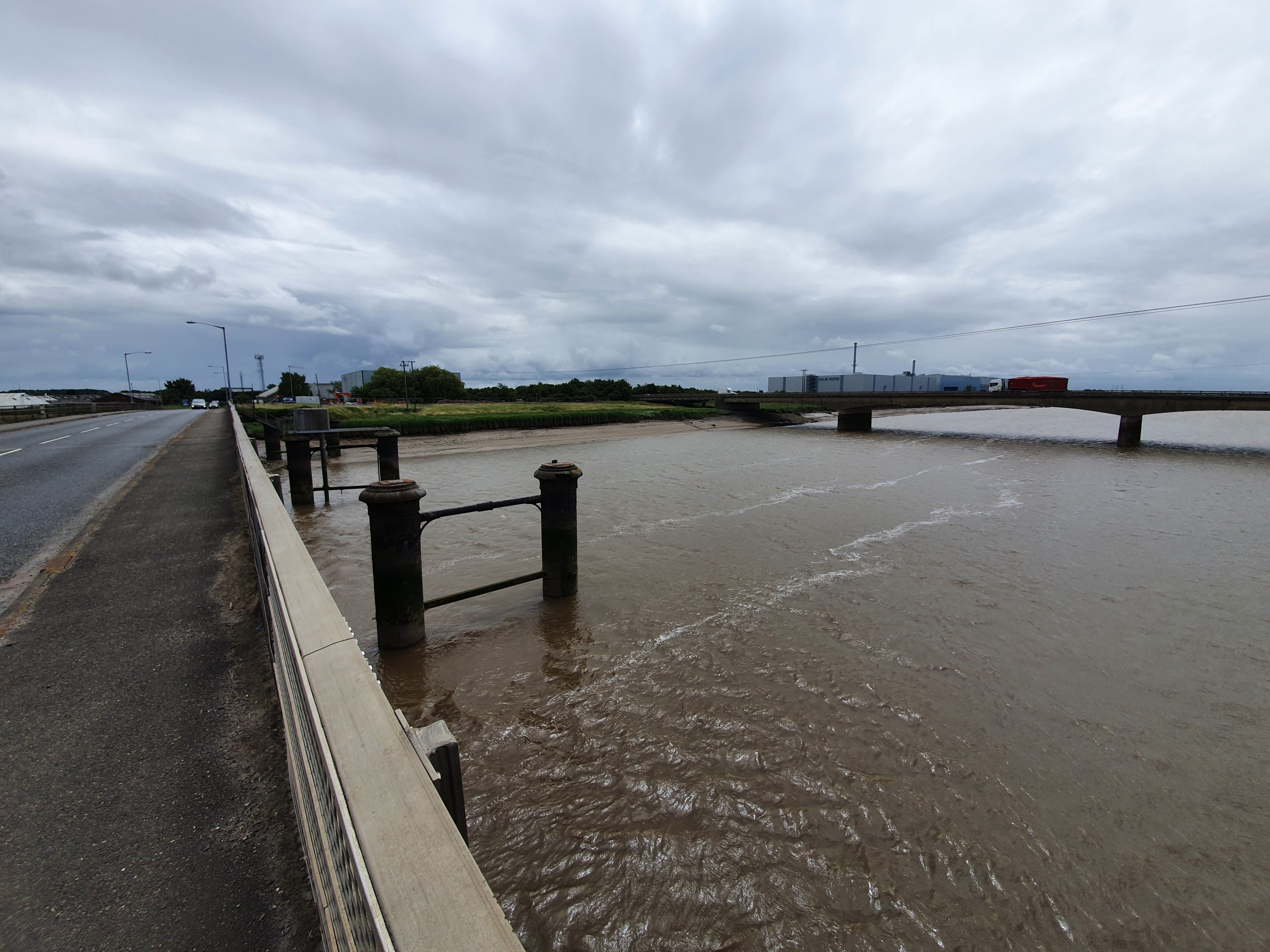
    Walking along the quieter of the two road bridges across the River Great Ouse (the other is visible in the background of the above photos), I wondered what the supports next to it once held up. I assumed it must be the rail bridge that I knew went near here, although that didn’t make sense as there were no signs of a former railway line at either end.

    Two of the bridge supports.

    This is the support on the north side of the river.

    And, the answer is here (click on the image to see a clearer one). There are two bridges in the same place on the two maps, the first map is from the 1950s and the second map is a current one. On the first map, the top bridge is the A47 road and the lower bridge is the rail bridge. On the second map, the top bridge is now Wisbech Road bridge and the lower bridge is the A47 road. Confusing…. But, that’s why the remnants of the bridge are there, it was another carriageway of the A47, which was taken down when a new road was constructed when the rail bridge was taken down following the closure of the rail line in 1959. The route of the A47 was then changed to follow much of the former rail line, leaving the bridges as they are now.

  • West Lynn – Photos of King’s Lynn

    West Lynn – Photos of King’s Lynn

    Just photos in this post. I walked from King’s Lynn to West Lynn, with these photos showing what King’s Lynn looks like from the other side of the River Great Ouse.

  • King’s Lynn – Whitefriar’s Gate

    King’s Lynn – Whitefriar’s Gate

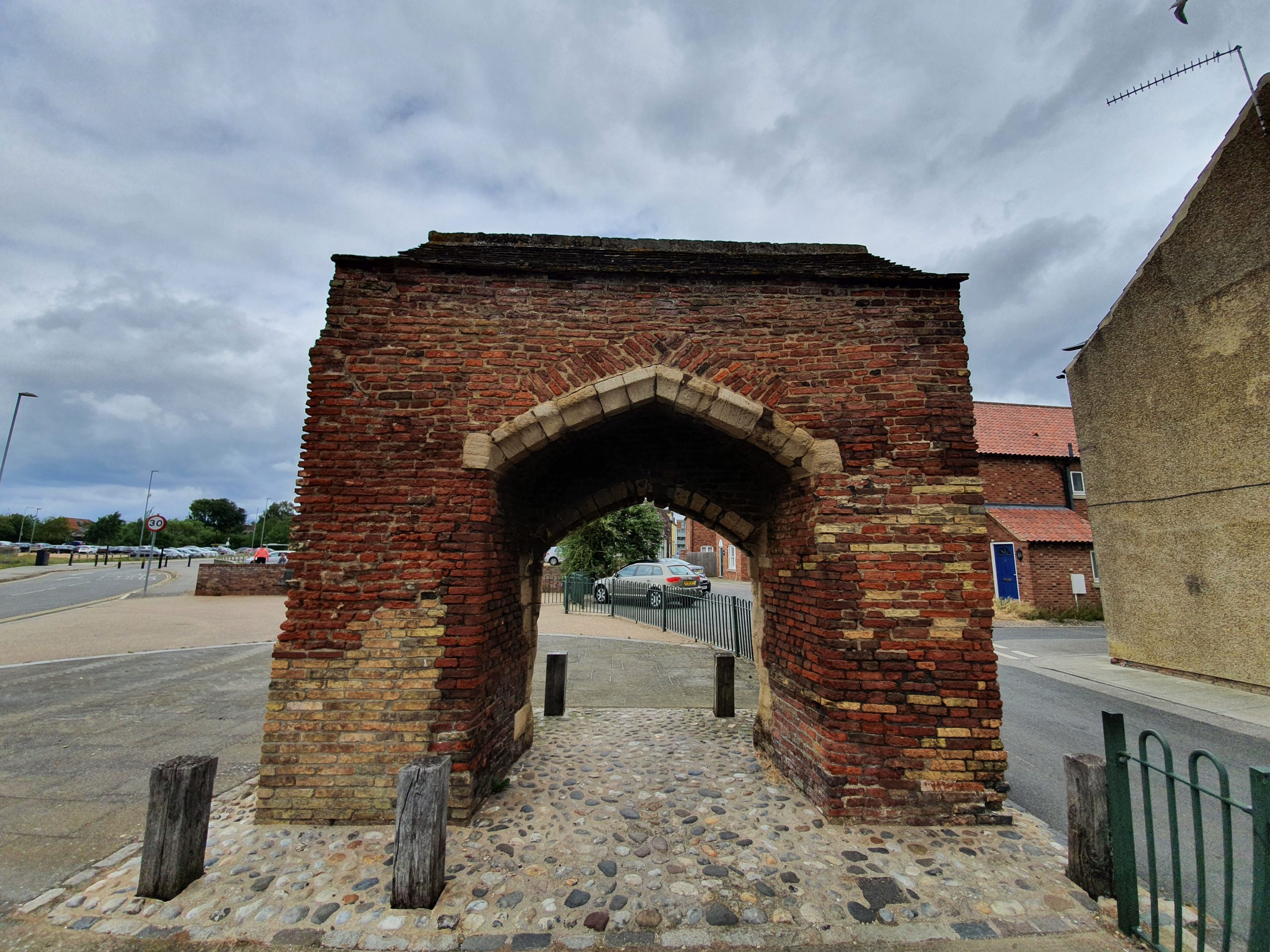
    I’m not sure how I haven’t noticed this before on Hardings Way, but it’s the gateway to Whitefriars, a Carmelite Friary which stood here between around 1260 and the Dissolution of the Monasteries in the late 1530s. Although the rest of the monastery has now gone, the street names here reflect the past, there’s The Friars, Carmelite Terrace, Whitefriar’s Terrace, Whitefriar’s Road, All Saints’ Street and Friars Street.

    Over the last couple of centuries, buildings have surrounded the gate, but these have mostly been cleared and the structure now looks quite exposed. This area around this gate, inside the former monastery, was also used as a graveyard and some local residents (as well as Anglian Water staff digging in the area) have uncovered bodies.

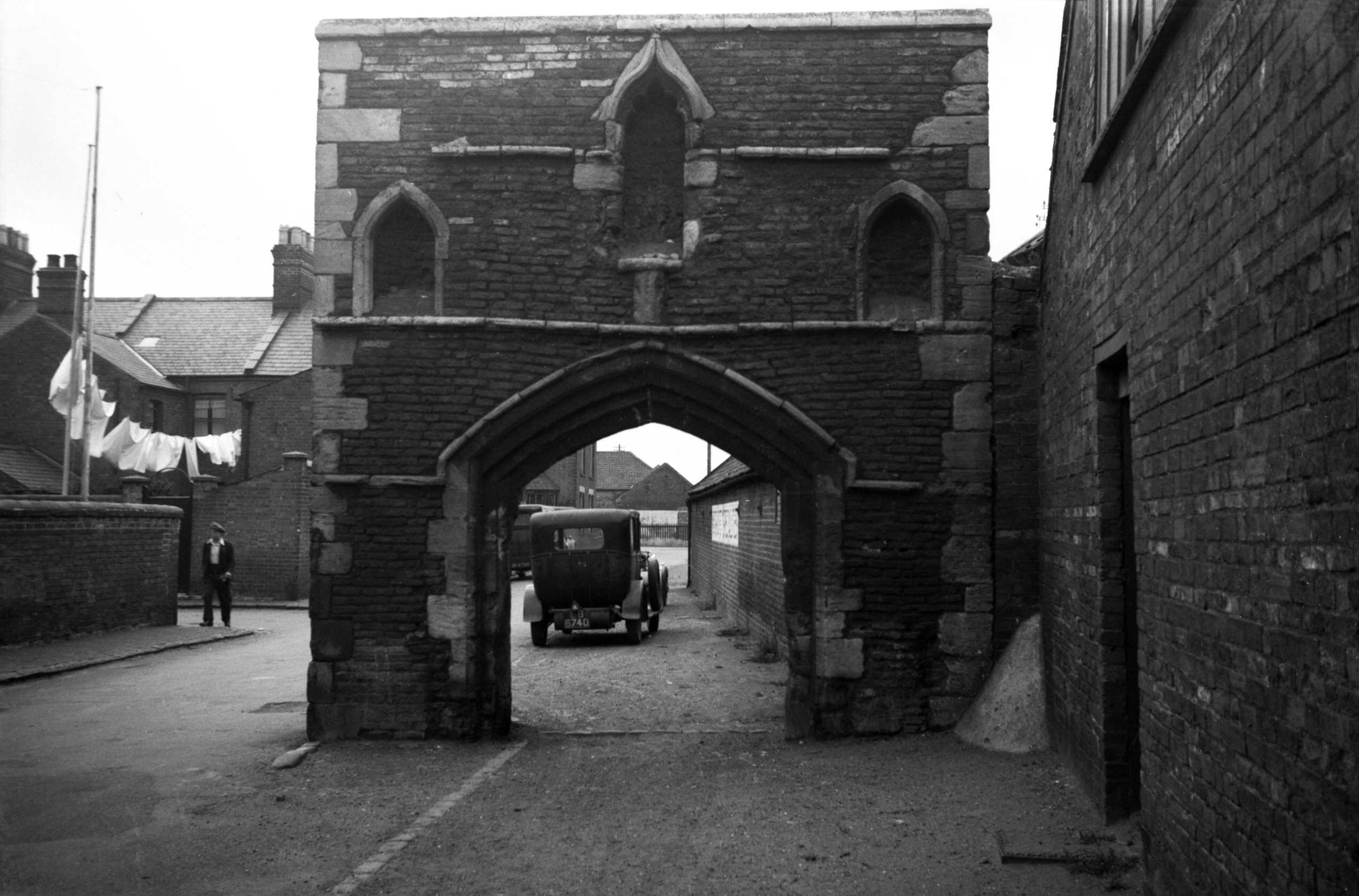
    George Plunkett has a photo of how the gateway looked back in 1935 and there’s an etching of the gate by William Taylor and William Pickford.

  • First Bus – New Excel Buses

    First Bus – New Excel Buses

    First brought their new Excel buses into service in February 2020, although circumstances have meant that they’ve obviously been heavily under-used since. They run between Norwich and Peterborough, stopping at Dereham, Swaffham, King’s Lynn and Wisbech.

    This was my first foray onto public transport since March and so this Norwich bus station queueing system was new to me.

    There were only two of us attempting to board the bus in Norwich, so the queueing system wasn’t exactly overloaded.

    The front of the bus, with a clear new display screen.

    And looking back to the rear.

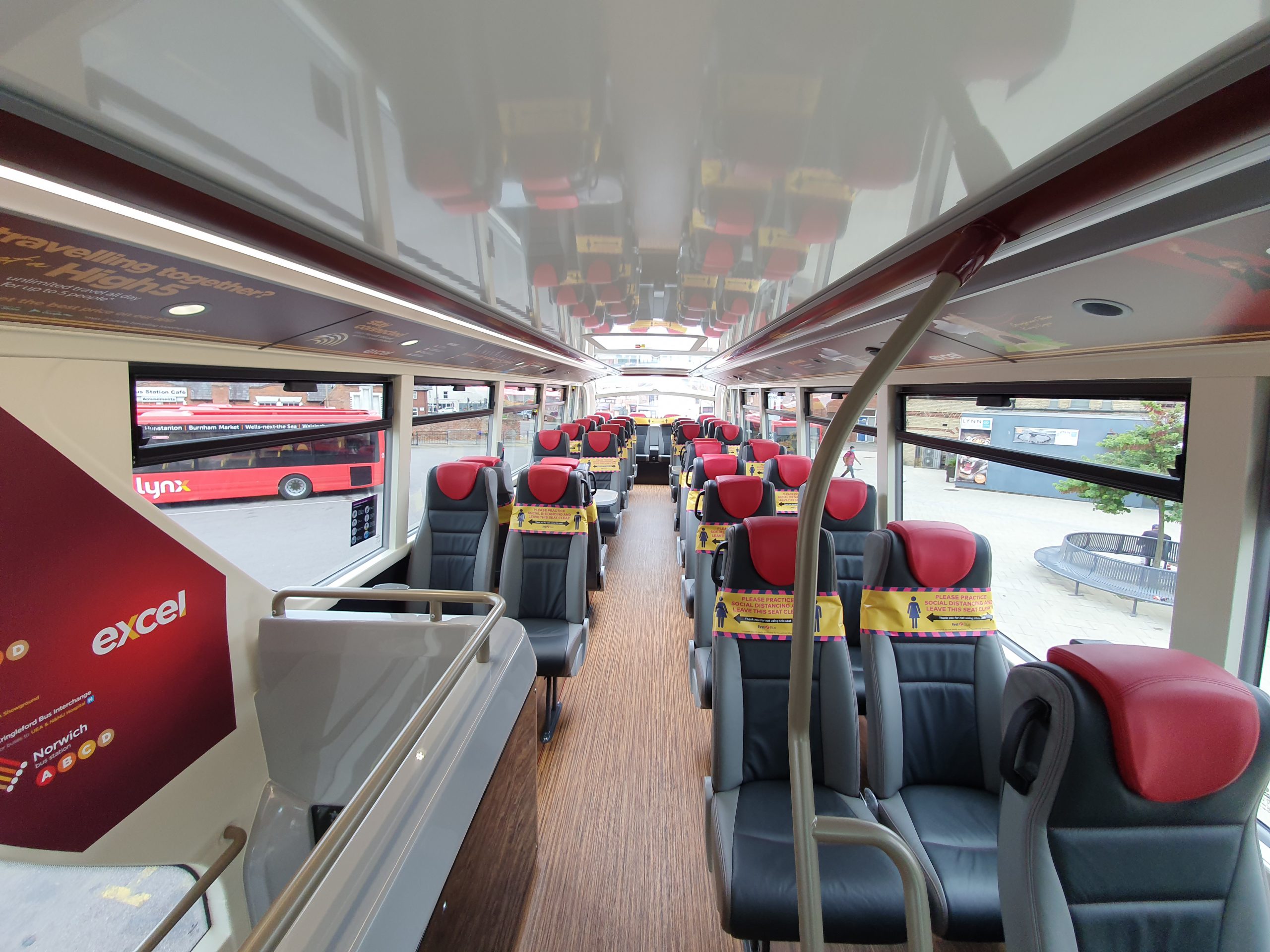
    The interior upstairs is light and airy, there are no shortage of windows.

    There are now tables at some of the seats and the seats themselves have USB power, wi-fi and there’s a stop button on every pair of seats. The seats are leather, which I personally find can get quite sticky in the heat, but there’s a modern feel to the whole arrangement.

    The seat and it’s clear they’ve spent a chunk of money on these buses. The ride doesn’t feel that comfortable, but it might well be that this is more to do with Norfolk’s roads than anything else.

    Health arrangements on-board.

    And, safely in King’s Lynn.

    Another one of the same fleet of buses in King’s Lynn.