
Peter Jull, the organiser of the whole event, looking really rather calm and cool at HQ. And, if technology works, there should be a short video of him below.

HOME · LATEST 100 POSTS · BAR BILLIARDS · GOOD BEER GUIDE · NORWICH MARKET · FLIGHTS · RAILWAYS · INDIAN MEALS · CONTACT
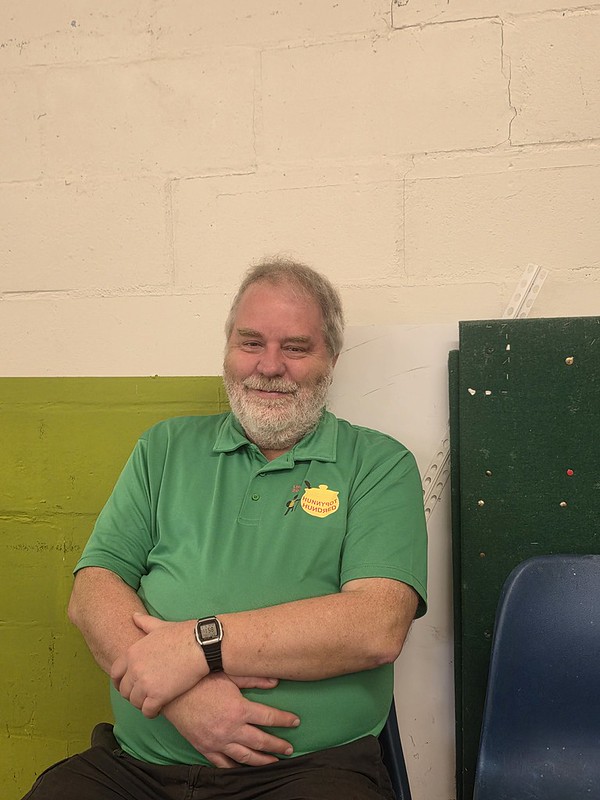
Peter Jull, the organiser of the whole event, looking really rather calm and cool at HQ. And, if technology works, there should be a short video of him below.
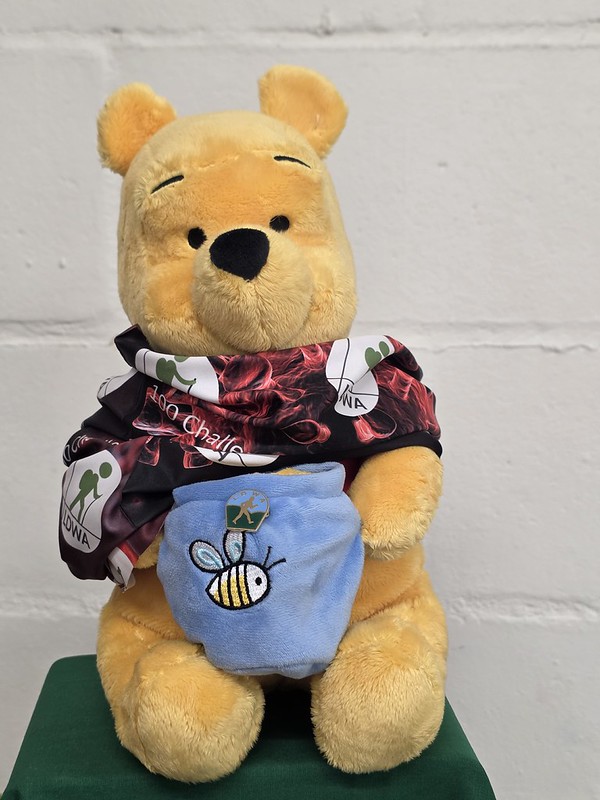

It’s not called the Hunnypot 100 for no reason….. And entrants will get to go over Poohsticks Bridge which is the original wooden bridge in Ashdown Forest in East Sussex which is where the game of Poohsticks was invented.

The happy mascot!
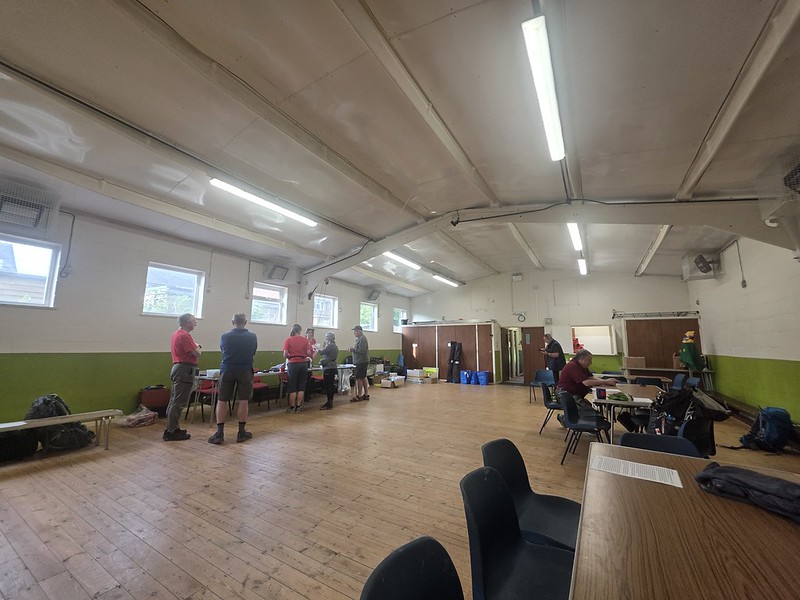

I’m safely at Meopham and this is where the marshal event is taking place this weekend for the LDWA 100.

It feels a bit hot to me, but I’m seemingly always too hot. I rushed to get the train in Chatham to get here and I didn’t need to rush, I just realised that I could get an earlier one. Anyway, this 100 is the work of the Kent group of the LDWA.

I would say that it is the calm before the storm, but it’s all too controlled for there to be a storm. Anyway, this is Meopham scout HQ, which isn’t where the main event will be starting from. It’s all happening now as they say, well, as Alan Partridge says… There’s a strong contingent from Norfolk & Suffolk LDWA which is rather lovely.
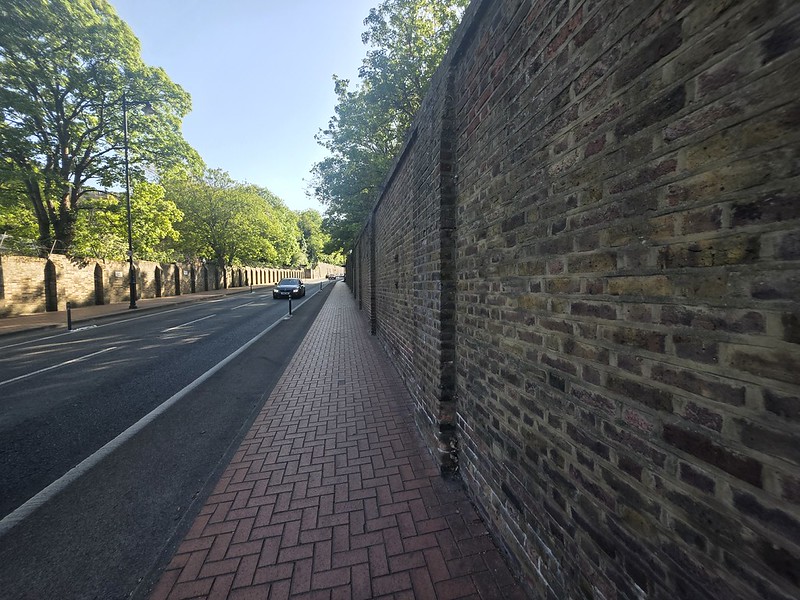

Walking to the hotel, I would have never known what happened along this stretch of road without this memorial sign. It was the highest loss of life from any road accident at the time and it’s still one of the worst coach catastrophes. What became known as the Gillingham bus disaster took place on the evening of 4 December 1951, outside Chatham Dockyard in Kent. A group of 52 young Royal Marines Volunteer Cadet Corps members, marching from Melville Barracks to the Royal Naval Barracks to attend a boxing tournament, was struck from behind by a double-decker bus on Dock Road. The cadets were children, mostly aged between nine and thirteen, and 24 were killed, with 18 more injured.

It was a dark winter evening, the street lighting was poor and the boys were marching in dark uniforms along this stretch of road. The bus driver, John Samson, said he had not seen the cadets before the collision. The disaster led to an inquest, a criminal case and searching questions about road safety, visibility and the responsibilities of those in charge of young people moving along public roads after dark. Samson was convicted of dangerous driving, fined £20 and banned from driving for three years, but avoided prison after the court accepted that other factors had played a part. The inquest had returned a verdict of accidental death, but regardless of this, Samson’s life was destroyed by what had happened and he never drove a vehicle again. A military funeral for 20 of the boys was held at Rochester Cathedral on 12 December 1951, with thousands of people standing along the route to Gillingham Cemetery. The Chatham Royal Marine Cadet Unit still holds an annual memorial parade, preserving the memory of the boys whose lives were lost on an ordinary journey that became one of the saddest moments in the area’s modern history.
Reading through the national newspapers at the time, this was a major event in the country. The King sent a message of sympathy and there were reports of the bravery of individual boys, including Alan Brazier who pulled cadets to safety. The Admiralty sent a message saying that he had done well, but it wasn’t enough to justify a special distinction of an honours recommendation. Then, in 1958, Brazier was involved in another act of heroism when he saved a man who was in distress in the water.
The plaque at the site was unveiled by Prince Philip, the Duke of Edinburgh, on 2 December 2001, to mark the fiftieth anniversary of the tragedy.
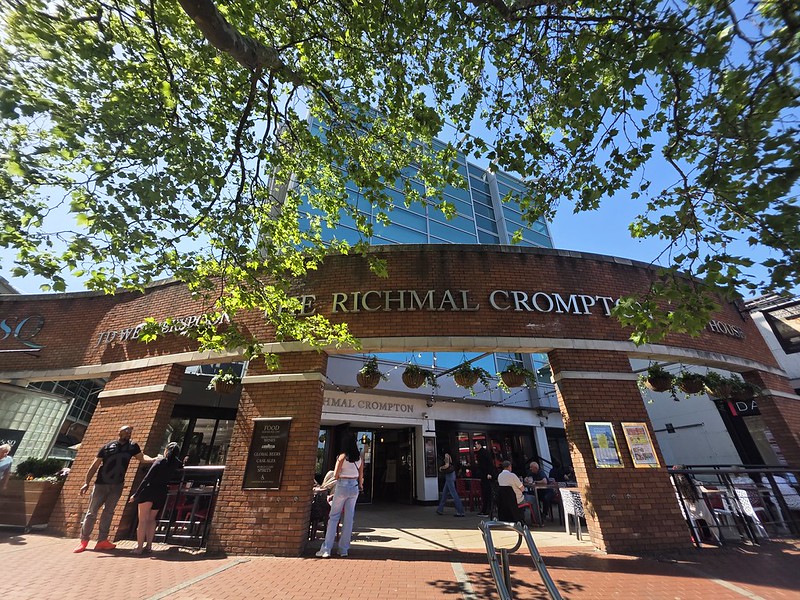

I had a rail connection at Bromley South railway station today to get to Kent, so I thought that I’d meander over the road to the JD Wetherspoon operated Richmal Crompton which I’ve visited a couple of times before. The sun was shining, the pub had a beer garden and it was just too hot. But, I didn’t complain to myself about the extreme temperatures.
The chain explains the reasoning for the pub name:
“This is named after Richmal Crompton, the author best known for her ‘William’ books. William Brown first appeared in a series of short stories written in Richmal’s spare time, while she was a teacher at Bromley High School for Girls. She lived in Bromley for 26 years, first in Cherry Orchard Road and later in nearby Oakley Road.”

It’s cavernous and not overly interesting as a building. It got busier at lunchtime, but the chain also has a pub just a short walk away, the Greyhound. Incidentally, and I write this without having a view either way, but this is one of those venues where customers queue in a line to order rather than wait along the bar. There’s an area which feels like a dining area off to the left, although the tables were all in long lines and it wasn’t clear whether they were expecting groups of 24 to turn up, or they had just crammed them in there. There were bookshelves to the rear of the pub and I thought that added to the arrangement. It’s all affordable and reliable, spacious and predictable.

My obligatory carpet shot.
In terms of the beer, the prices were moderate as usual and they had a selection of craft cans alongside six real ales, with beers from Thornbridge, Adnams and Theakston.
I decided to get unlimited coffee for £1.85 rather than anything beer related, although they had run out of milk and didn’t bother replacing it for the two hours that I was there. I decided raw coffee would just have to do.
The online reviews are about average for the chain and I couldn’t resist having a little look….
“Came in for a quick bite to eat with my dog who’s sitting outside and I’ve been told by every bar staff in here dogs aren’t even allowed on the premises that means even outside the door , Food is absolutely disgraceful as you can see from the photo, The manager with the wonky eyes said I need to get out as soon as I’ve eaten my food absolute joke stay clear unless you’re on a budget”
I suspect that JD Wetherspoon would be pleased that a customer who insults their staff like that goes elsewhere….
“We reserved an area for our wedding reception, no help in moving tables was offered, on the day there was glass in the reserved area that hadn’t been cleared prior to us arriving. We appreciate we had a large party but we waited ages for our meals, and drinks. Having booked in January for September plenty of notice had been given that we’d require food. They’d ran out of chicken nuggets, and the large mixed grill, and this was only early afternoon. When the steak came up and we asked which was medium rare, the waiter said that they’d all been done to the same (medium) even though we’d asked for different. We had one waiter serving almost 30 of us and it took almost an hour for tables to be cleared of plates. Me and my wife met in this wetherspoons 2 years ago but we will not be returning unfortunately.”
I’m not wholly convinced that JD Wetherspoon pubs are usually well equipped to deal with entire wedding parties….
“On top of that, after we left a pub, I came back to go to the toilet, it was around 23.00. On my way to the toilet i have been stopped by the waiter saying that ‘I’m banned in this pub and I have to leave’ after my statement that I AM PREGNANT AND I NEED TO USE A TOILET he insisted me to leave. How comes pregnant woman cant use a toilet in such a big pub? What policy are you based on? Of course I will proceed with further excalations and highlighting this situation everywhere possible as IT IS NOT ACCEPTABLE TO NOT ALLOW A PREGNANT WOMAN TO USE A TOILET.”
The customer was refused service for allegedly being drunk, they left the venue after an argument and then are furious that the venue wouldn’t let them back in. I like a bit of drama to be fair….
“Being Xmas everyone was having a great time and we were playing a game with an I top, a harmless tabletop game . When we were laughing and jeering eachother on ,the staff came over and told us to keep the noise down. What happened to the good old days when they had juke boxes in pubs and everyone singing along to Xmas songs and having a great time.”
Good, there’s no need for frivolity even at Christmas….
“Bar staff and management told us to leave because we were being to loud and noisy we were having a laugh we weren’t being rude or we were having a laugh. But we had to leave all because we were having a laugh”
Reassuringly peaceful, I like it.
“Not worth posting a review”
I think that’s a review.
Anyway, I digress enough. It seemed like a perfectly serviceable pub, although they rather abandoned the coffee machines, but in fairness I didn’t say anything to let them know. It was all clean, the team members were friendly, it was value for money and it wasn’t too loud. All really rather lovely.


It’s the marshal’s event of the LDWA Hunnypot Hundred 2026 in Kent this weekend (2 to 4 May 2026) which means that I’m meandering down to Chatham today. I’ll use this as an index page for all the excitement and random witterings I might have to offer over the weekend as well as links to photos and videos.
There’s more information about the event at https://ldwa.org.uk/2026Hundred.
And there will be tracking of the very brave entrants at https://track.trail.live/event/hunnypot-100-marshal-walk.
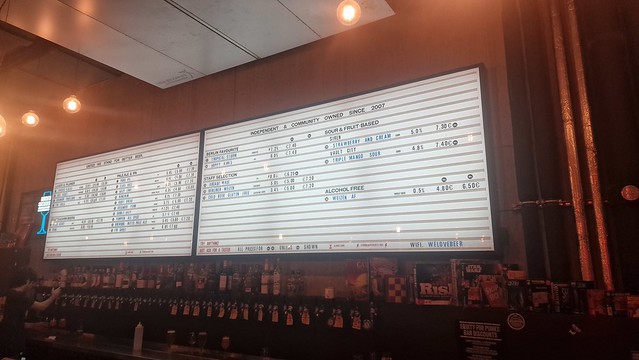

I visited Milton Keynes in late 2024 and at the time I was working my way around all of the Brewdog venues in the chain, something which has been much easier more recently as they’ve shut most of them.

I didn’t post about this visit at the time as there’s not much point being negative about pubs and bars given all the challenges that they have in general. It was a highly sub-optimal visit though, I was ignored at the bar and one of the team members was merrily eating pizza and using the same hand to serve customers and handle their glasses. I don’t set my standards that high, but the whole combination of this and the lack of welcome made me feel that I was disturbing a private party, so I quietly walked out and went to another pub. My plan at the time was just to visit at another time, but I’ve now missed that opportunity as it has permanently closed.
It’s an interesting snapshot of time in terms of the pricing though, they’re way above the average for a craft beer bar for those same beers. Although I can’t say I predicted the demise of nearly the entire chain, it was evident that the standards between venues were very different and getting enough customers at those prices was always going to be a challenge.
The venue is currently being advertised for rental, but this is a former JD Wetherspoon outlet known as The Secklow Hundred and it seems that the chain is on the hook now for the lease because Brewdog have gone under. The rental price hasn’t been disclosed, but the annual service charge is £24,000 and the annual business rates are £38,000, so this is not going to be a cheap venue to take over. It does though have a late licence until 03:00 on Fridays and Saturdays, so if they can work out how to get a late night audience out then that might help with the huge costs of operation.


I like visiting pubs in the Good Beer Guide, but I’m also trying to work through every pub in the JD Wetherspoon chain.
Bracknell : Old Manor [I haven’t visited this one]
Maidenhead : The Bear – 8/10 High Street, Maidenhead, SL6 1QJ
Newbury : Hatchet [I haven’t visited this one]
Reading : Back of Beyond – 104/108 King’s Road, Reading, RG1 3BY
Reading : Hope Tap – 99/105 Friar Street, Reading RG1 1EP
Slough : Moon & Spoon – 86/88 High Street, Slough SL1 1EL
Windsor : King & Castle [I visited this one a very long time ago]
They also used to operate the Baron Cadogan in Caversham, the Diamond Tap in Newbury, the Greyhound in Maidenhead, the Monks Retreat in Reading, Lloyds in Slough, Windlesora in Windsor [I visited this a very long time ago] and the Gig House in Wokingham [I visited this a very long time ago].
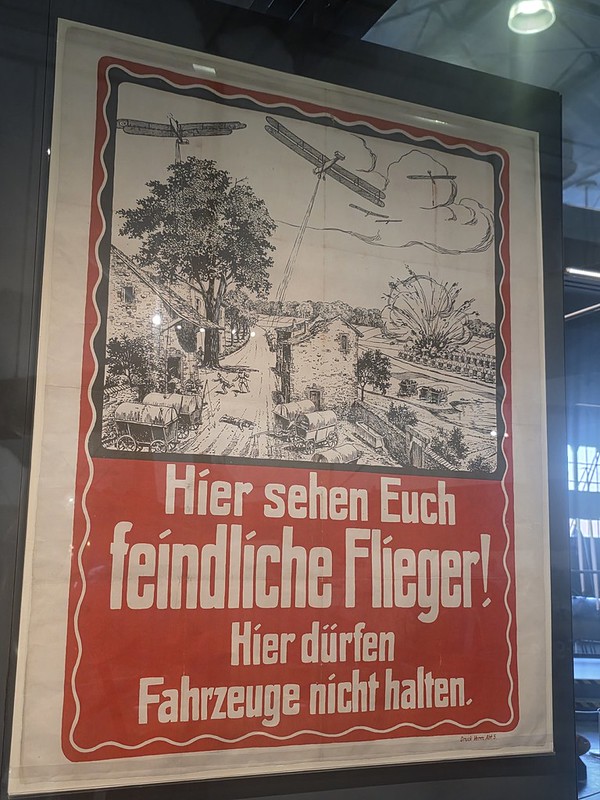

I’m not sure how I get from writing about bar billiards to writing about German air raid posters from the First World War, but yet here we are. Back in the medieval period, people had a genuine fear of being attacked where they lived, but war evolved to be much more about front-line conflict. That was until the development of aircraft that had the ability to bypass the troops on the front-line and strike fear into the hearts of everyone.
This poster reads:
“Hostile aircraft can see you here! Vehicles must not stop here.”
A combination of the Government needing to warn people of the new threat, but this must have been terrifying to people living in Germany when they realised that aircraft could attack them in their homes. The number of actual attacks was relatively low and the British never attacked Berlin by air, the first planned raid would have been in November 1918, but the armistice saw the end of that.
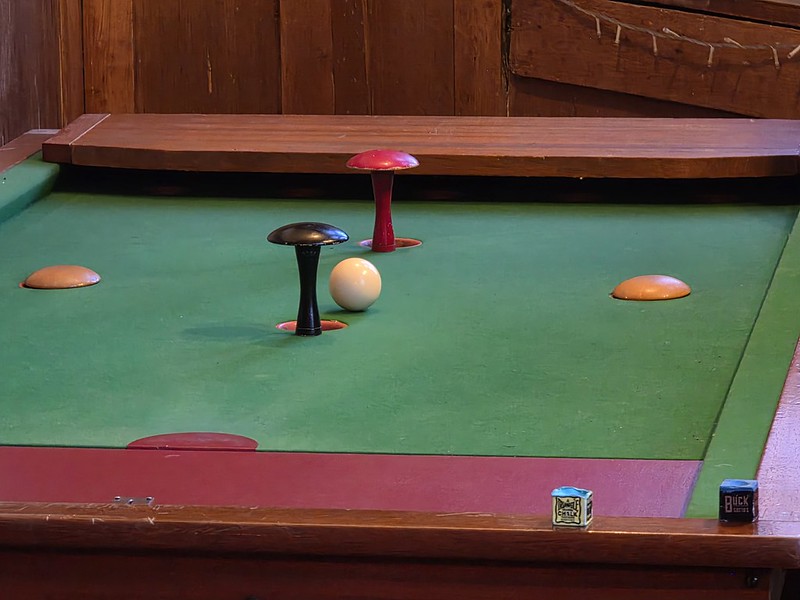

I wouldn’t say that I was pre-annoyed when turning up at the Artichoke for our team’s second game, but I was certainly pre-stressed. We were playing the Black Stars and they have their own branded uniform and everything, so they’re evidently a force to be reckoned with and not just a bunch of accidental amateurs. So I thought that I’d calm my nerves with half a cider and an orange juice & lemonade, a drink combination that either suggested moderation or an imminent collapse.

And it was time for the draw and many thanks to Luke for arranging some tags for our team so that I don’t have to tear up little bits of paper. I’m not suggesting the little bits of paper made me look amateurish, but they did perhaps hint at an operation not yet fully entirely touched by modernity. I didn’t mind who I secured in the draw, but I just didn’t want Dave Brewer as he’s in the singles final on Saturday. I’m not saying the other players are inferior to Dave, but he has an aura of invincibility and it would be unlikely that I’d draw him.

And just bloody typical. Dave in the singles and doubles. But, it’s important to remain calm and I just didn’t want a repeat of last week against the Serengeti when three matches went down to the final ball, so I mentioned that we should avoid those situations.

The first game was Andrew against PJ and they ignored my instructions about the final ball, which was disappointing as I had delivered them in the tone of a man who absolutely did not want to be ignored. Andrew went first and he was ahead by 760 to 580 with that final ball left.

Close…. But, as I’ve discovered, being close in this game is often rather sub-optimal.

And PJ was ruthless, he took the opportunity to win the game by just twenty points. I needed a sit down.

The second game and another final shot. Phil knocked the black over and that meant that Vaughan won the game, putting us 2-0 up. But there was an excellent break by Phil of 980 in the match, a very good game. It was then my game against Dave (pictured looking confident on the right) and what could possibly go wrong…. PJ and Vaughan only made their league debuts last week and now they’re looking like established players, it’s a joy to behold and all that.

My only photo of the game and the blurriness was not Dave moving so fast the camera couldn’t catch him, it’s because I was moderately shaking. Anyway, let’s not linger here, Dave pulled 900 ahead and I decided the only tactic was to knock enough 10s and 20s in to catch up slowly but surely without him noticing. The bar dropped and it meant that I would need something of a miracle, but fortunately, the ball went in the 100 and I was able to get the final 200 shot in as well. My strategy for the 200 was not to think about it, but play it quickly, which worked. I hope that I haven’t dented Dave’s confidence for the final of the singles on Saturday.

I don’t drink gin and tonic, but I needed one, along with a Flump, to steady my nerves. It was, in its way, a balanced response to events really and having access to an extensive array of bar snacks is quite important to me.

Thanks to Julian (sr) for supplying these for the teams. And thanks also to manager Cal for offering me therapy as the close games piled up one after another. Incidentally, he’s one of the best people to work with behind a bar and I am unanimous in that. He’s on the team and is practising regularly for when his time comes. I’m sure I’ve mentioned, but Tayto’s have become one of my favourite crisp options.

Julian (sr) arrived to look at the results so far. Although by this stage someone, who shall remain nameless, had already shared the result of the Brewer-White match with numerous other league players and about half the Lionhearts so news was leaking out to the local bar billiards world meaning discretion had not especially survived the evening.

However, the Black Stars were just too formidable for us to hold back, and Mark, Neil and then Russell won their games before they also won all three doubles games which I thought was a bit greedy but I didn’t say anything. Which isn’t to say that we didn’t come very close, with Terri and Luke scoring over 1,000 in their game. Terri has definitely mastered the 20s shot and Luke manages to knock some huge scores out, he obtained a break of 870 in his singles match.

And special mention to Gabriel on the right here who was playing in his first league match and secured a break of 660 in his first game. That’s more than I think most people get in their first competitive game and he’s going to be our secret weapon, I just know it.

As some background, the Black Stars only lost two matches last year, with one of them being against the Artichoke team. So Dave admitted that when they were three-nil down, there was some déjà vu coming back in. But we’re not unhappy with losing 6-3, it’s a long season and, as I am obliged to say, it is not all about winning. It is about having a fun night out in a pub. Unless we win, in which case it is at least partly about that. I also didn’t go to the King’s Head after as I’m reserving that only for when we win, but I did sit for a while to calm down.
We’re at home to the Coach and Horses next week and I’m very much looking forward to it. It might be just a little unnerving at times, but it’s a lot of fun and thanks again to the Black Stars for a really rather lovely evening.